 +381 64 469 73 73
  Knee pain and the importance of physical therapy
  Symptoms
  Causes of knee pain
  Treatment of knee pain
  FAQ
FAQ  Special offer
  Prices
  Gallery
  Testimonials
  Why choose us?
Cash
Through a current account
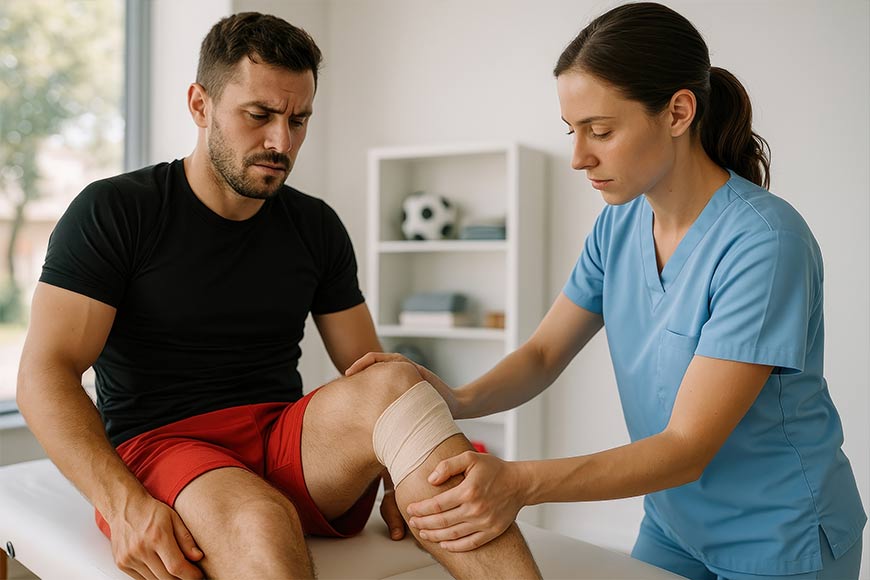
Focus Physical Therapy 100% guarantees fast and effective treatment.
SUPER DISCOUNT! 20% off all therapies in June! Call us 24/7!
Do not treat yourself based on information from the Internet!


Knee pain is one of the most common problems affecting people of all ages, and its consequences can significantly impact daily life. Whether caused by injuries, aging, or chronic conditions such as osteoarthritis, knee pain can limit mobility and reduce quality of life. Fortunately, physical therapy offers effective solutions that can help reduce pain, improve knee function, and prevent further damage. In this blog, we will explore how various therapeutic procedures, including ultrasound, laser therapy, electrotherapy, and targeted exercises, can help patients recover and improve the condition of their knees.
Knee pain can manifest in different ways depending on the cause. Recognizing the symptoms is crucial for timely treatment and effective therapy. Below, we will examine the most common symptoms of knee pain, so you know what to expect and when to seek help.
Sharp knee pain
This type of pain is usually the result of an injury, such as a ligament or meniscus strain. It can be very intense and occur during certain movements or under pressure on the knee.
Difficulty bending and straightening
When knee mobility is limited, it may indicate inflammation or mechanical damage, such as issues with the meniscus or ligaments.
Swelling and stiffness
Swelling around the knee can be a sign of inflammation caused by injuries, arthritis, or chronic conditions. In some cases, fluid may accumulate within the joint.
Knee instability
Individuals with ligament injuries or arthritis may notice that their knee “gives way” or feels unstable, which can increase the risk of falls and further injuries.
Redness and warmth
These symptoms often indicate acute inflammation, which is common in bursitis, tendinitis, or infections.
Knee pain can have various causes, ranging from simple injuries to complex chronic conditions. Understanding the underlying causes is crucial for choosing the appropriate treatment. Below, we will focus on the most common causes of knee pain.
Osteoarthritis
Osteoarthritis is a degenerative disease that leads to the wearing down of cartilage in the knee joint. As the cartilage diminishes, bones may come into contact, causing pain, stiffness, and reduced mobility.
Knee injuries
Knee injuries are common, especially among athletes, and may include ligament strains, fractures, meniscus injuries, or sprains. These injuries can cause acute pain and reduce knee functionality.
Inflammatory conditions
Bursitis (inflammation of the bursa) and tendinitis (inflammation of the tendons) are inflammatory conditions that can cause pain and swelling in the knee, often associated with repetitive movements or joint overuse.
Overuse and excess body weight
Excess body weight places additional pressure on the knees, which can cause pain and accelerate joint degeneration. Similarly, excessive physical activity can strain the knee and lead to discomfort.
Genetic factors
Some individuals are genetically predisposed to knee conditions, such as hereditary osteoarthritis, which increases the likelihood of experiencing knee pain
Physical therapy plays a key role in the treatment of knee pain. Through various techniques and therapies, it aims to reduce pain, alleviate inflammation, and strengthen the muscles that support the joint. Below, we will discuss four of the most commonly used therapeutic methods that provide excellent results in treating knee pain.
Ultrasound therapy
Ultrasound therapy uses high-frequency sound waves that penetrate deep into the tissues. This method is highly effective in reducing inflammation, improving circulation, and accelerating recovery. Ultrasound is particularly useful for treating chronic knee pain caused by arthritis, as well as for recovery from soft tissue injuries.
Laser therapy
Laser therapy uses light energy to stimulate the regeneration of damaged tissues. This method helps reduce pain, promotes injury healing, and stimulates collagen production, which speeds up recovery.
Electrotherapy
Electrotherapy uses electrical impulses to stimulate muscles and nerve endings, helping reduce pain and improve functionality. The most effective form of electrotherapy for knee pain is TENS (Transcutaneous Electrical Nerve Stimulation), which stimulates the release of endorphins and reduces pain.
Exercise and physical rehabilitation
Exercise is a cornerstone of physical therapy, as it improves knee mobility, strengthens the muscles supporting the joint, and stabilizes it. A physical exercise program may include stretching, strength training, and stabilization exercises to achieve long-term benefits.
Is physical therapy effective for treating knee pain?
Yes, physical therapy is highly effective in treating knee pain. By using various methods such as ultrasound, laser therapy, electrotherapy, and physical exercises, it is possible to significantly reduce pain, improve mobility, and strengthen the muscles that support the joint. These therapies can help restore knee function, reduce inflammation, and prevent further injuries.
What are the most common therapeutic methods used for knee pain?
The most commonly used therapeutic methods for knee pain include ultrasound therapy, electrotherapy, laser therapy, and physical exercises.
How long does it take to notice results from physical therapy?
The results of physical therapy can be noticeable after just a few sessions, particularly in terms of pain reduction and improved mobility. For long-term outcomes, such as muscle strengthening and joint stabilization, several weeks of regular treatments may be required, depending on the severity of the condition. Each therapy plan is tailored to the patient’s needs, so recovery time can vary.
Is physical therapy painful?
In most cases, physical therapy is not painful, but mild discomfort may occur, especially if the knee pain is due to injury or inflammation. The therapy is focused on reducing pain, and therapists carefully monitor the patient’s responses to make the treatment as comfortable as possible. If you experience significant pain during a session, be sure to inform your therapist, who will adjust the treatment to your needs.
Is physical therapy sufficient for treating knee pain, or is additional medical care needed?
Physical therapy can be very effective as a primary treatment for many types of knee pain, especially when the issue is caused by overuse, inflammation, or muscle weakness. However, in cases of severe injuries, such as fractures, ligament tears, or advanced osteoarthritis, additional medical care may be required, including medications, injections, or even surgical interventions. Physical therapy is often used alongside other medical treatments to enhance recovery and restore knee functionality.
50% discount on knee treatment package
50% discount on a knee pain treatment package at a great price of 5,000 RSD (10,000 RSD). The knee package includes:
Treat your knee pain quickly and effectively! Call us 00–24h!
Shockwave terapija for knees
4.500 din -
3.500 din
4.500 din -
3.500 din
Physical therapy for treating pain in both knees
5.000 din
5.000 din
Cash
Through a current account
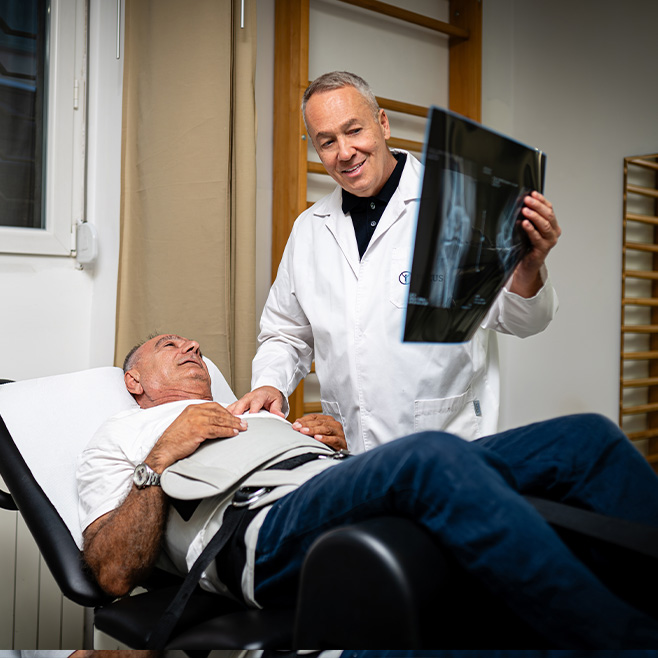
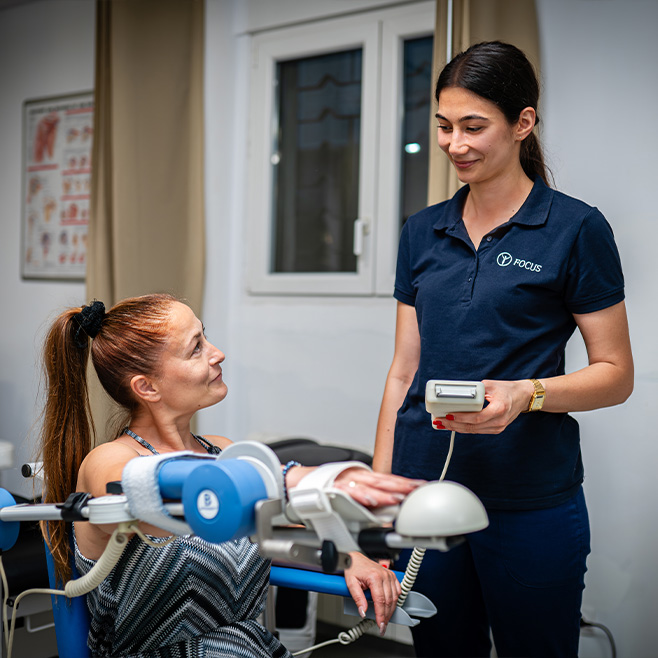
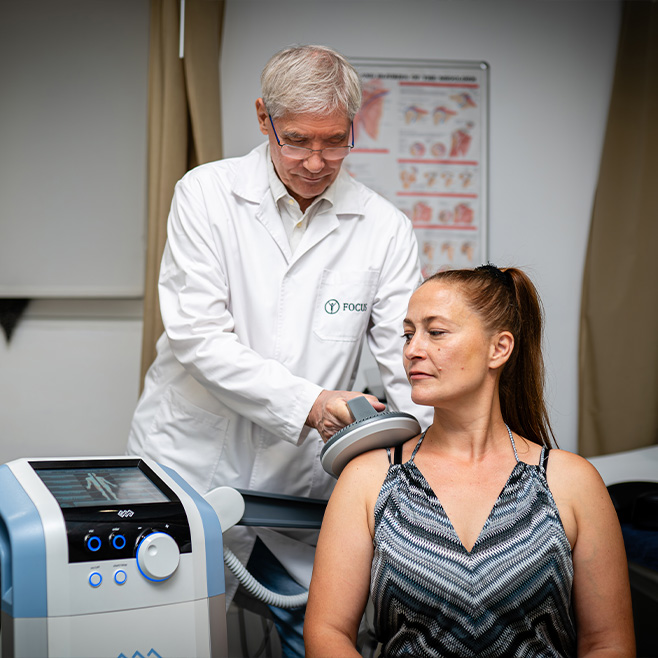
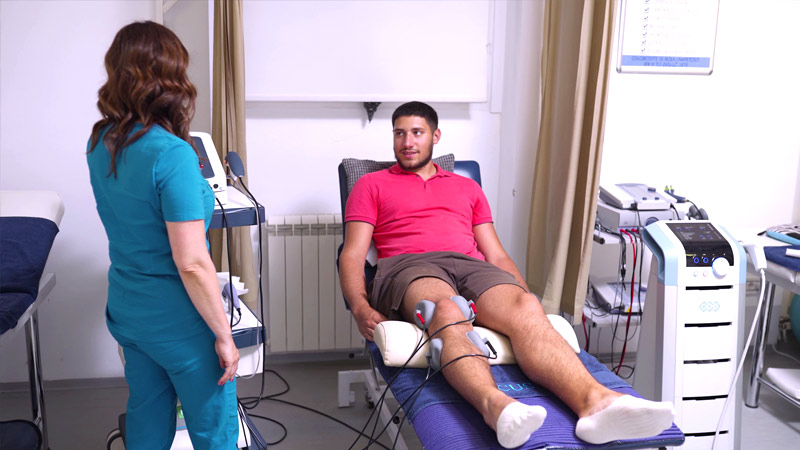

See the experiences of our satisfied patients who successfully recovered with the help of our physical therapy. Get acquainted with the testimonies of patients who faced various joint injuries, sports knee injuries, back injuries and similar problems, which we quickly, efficiently and successfully treated.
Aesthetic surgery
Focus Fizikal is a leading private clinic for physical therapy in Belgrade. For more than 10 years, we have been providing high-quality services that enable quick recovery and healing of our patients.




For all our current and future patients, we have made it possible to schedule an appointment online.



pon-pet:
08:00 - 20:00subota:
08:00 - 15:00


Mon-Fri:
08:00 - 20:00Saturday:
08:00 - 15:00