 +381 64 469 73 73
  Manual techniques in physical therapy
  Symptoms
  Causes
  Treatment
  FAQ
FAQ  Prices
  Gallery
  Testimonials
  Special offer
  Why choose us?
Cash
Through a current account
Focus Physical Therapy 100% guarantees fast and effective treatment.
SUPER DISCOUNT! 20% off all therapies in June! Call us 24/7!
Do not treat yourself based on information from the Internet!


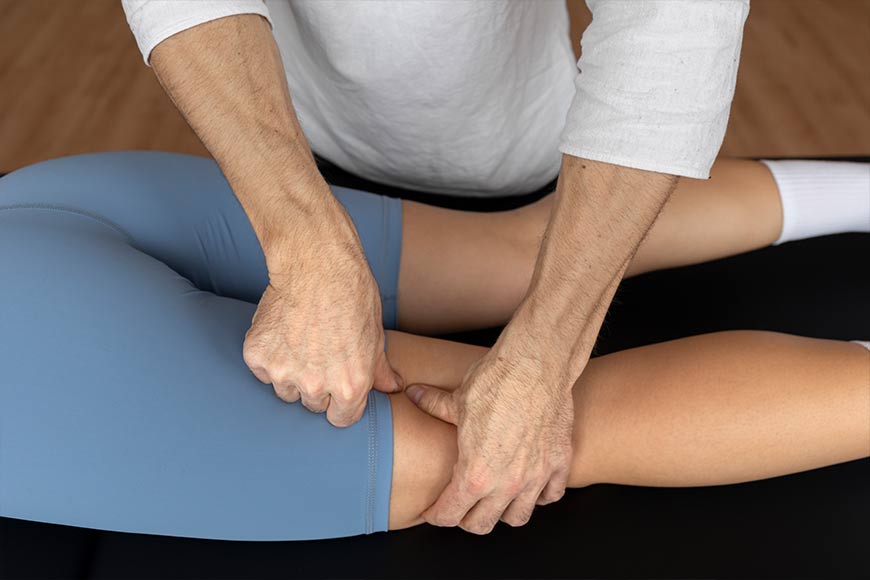
Manual therapy includes a wide range of specialized techniques aimed at the joints and soft tissue structures of the body. Unlike conventional massage, which is mainly used for relaxation, manual therapy uses precisely dosed movements and specific pressure with the goal of achieving a therapeutic effect. The techniques are diverse and may include:
In addition to these methods, the therapist continuously assesses the patient’s response to the applied techniques. By monitoring the tissue response, the therapist adjusts the pressure, direction of movement, and intensity of the technique, which makes manual therapy a dynamic and adaptable approach. In this way, individualized rehabilitation is provided, tailored to the condition, needs, and tolerance of each patient.
Symptoms that indicate a patient could benefit from manual therapy are not always obvious, because they often involve a combination of multiple complaints that appear in different parts of the body. Patients most commonly present with a feeling of joint “locking” or with reduced mobility in certain parts of the body. This phenomenon is commonly described as hypomobility, that is, reduced joint mobility, which may contribute to pain and discomfort.
Symptoms that may indicate the need for the use of manual techniques include:
All of these symptoms may follow a gradual course, where initial discomfort can, over time, progress into more pronounced stiffness and pain that interfere with daily activities and often with sleep quality as well.
Musculoskeletal disorders treated with manual therapy are often the result of a combination of acute and chronic factors. Understanding these causes is important for proper therapy planning. The most common factors that lead to these dysfunctions include:
Cumulative microtrauma – repeated minor stress placed on tissue, often associated with poor posture or prolonged static loading, such as long periods of sitting. For example, people who spend a lot of time sitting may develop shortening of certain muscle groups, while other muscle groups weaken, which may lead to altered joint positioning and the development of painful syndromes.
Acute causes – injuries occurring during sports activity or as a result of sudden movements. These injuries often cause a protective muscle spasm, during which the body attempts to limit the mobility of the injured area. This reaction may initially play a protective role, but if it persists, it may contribute to prolonged pain and slower recovery.
Postoperative adhesions – scar tissue that forms after surgery or injury has less elasticity than healthy tissue and may cause long-term limitations in mobility, which is why a carefully planned therapeutic approach is often needed to improve function.
Misalignment of musculoskeletal structures – dysfunction of the muscles, ligaments, tendons, or joints may occur due to disturbed biomechanical relationships in the body. For example, when one muscle becomes too tight or weakened, this may lead to biomechanical changes and the development of imbalance that places additional strain on other muscles and joints. Through an appropriate therapeutic approach, including manual techniques, it is possible to contribute to improved function and mobility.
At the Fokus Fizikal center, we apply a comprehensive approach to the treatment of musculoskeletal disorders, with manual therapy being one of the important parts of the therapeutic process. Our goal is to help each patient reduce pain, improve function, and achieve a safe recovery through an individually tailored treatment plan.
Treatment is carried out through several carefully designed phases that enable gradual and safe recovery. Depending on your needs, the therapy plan may include different techniques and treatments:
Our team of specialists uses a combination of different therapeutic methods in order to achieve the most effective and long-term result possible. Through a careful and individualized approach, we support recovery and help patients return to daily activities with better mobility and function.
What exactly are manual techniques and how do they affect the body?
Manual techniques encompass a range of specialized maneuvers performed by a physical therapist on the patient's joints, muscles, and fascia. They work by mechanically releasing compressed nerves, increasing joint mobility, and reducing muscle spasms. At the Focus Physical Therapy center, manual work is the primary tool for restoring proper biomechanical balance, as the therapist's hands can sense specific tissue resistance that devices cannot always detect.
Are manual techniques painful, and is it normal to feel discomfort?
The intensity of pressure during manual therapy is always adjusted to the patient's pain threshold and the condition of the tissue. Temporary discomfort may be felt during treatment, especially when treating chronically shortened muscles or trigger points, but this is a sign that the tissue is being released from tension. After treatment, patients most often describe a feeling of a "lighter body" and an immediate increase in range of motion, confirming the effectiveness of the technique.
What is the difference between a regular massage and manual therapy?
While a regular massage is mainly aimed at surface relaxation and improving circulation, manual therapy has a clear medical purpose and targets a specific source of pain. The physical therapist uses techniques such as joint mobilization, manipulation, or myofascial release to solve a specific functional problem, such as a pinched nerve or limited shoulder movement. Manual techniques are based on a deep knowledge of anatomy and biomechanics, making them a medical treatment rather than just a means of relaxation.
How many manual therapy treatments are needed for visible results?
The results of manual techniques are often visible immediately after the first treatment, as the mechanical block in the joint or muscle is instantly reduced. However, for long-term change and to prevent the pain from returning, a cycle of ten working days is usually advised. During this time, the tissues adapt to a new, more correct position, and the muscles stop producing the protective spasm that was the cause of chronic stiffness.
Can manual techniques be combined with physical therapy devices?
At the Focus Physical Therapy center, the combination of manual work and state-of-the-art devices like TECAR therapy yields the best results. Devices are used to deeply warm, oxygenate, and prepare the tissue for manual processing. When a muscle is first relaxed using tecar therapy, the physical therapist can perform joint mobilization or fascia release much more easily and painlessly, significantly shortening the overall recovery time.
Cash
Through a current account
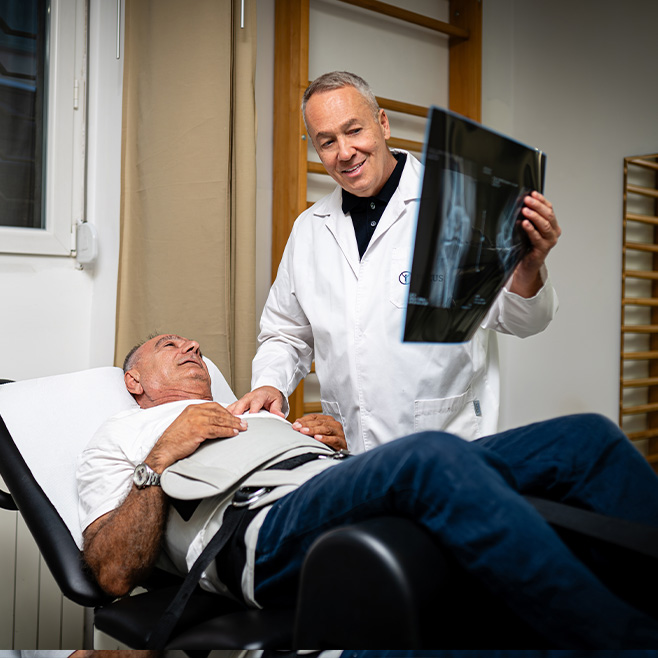
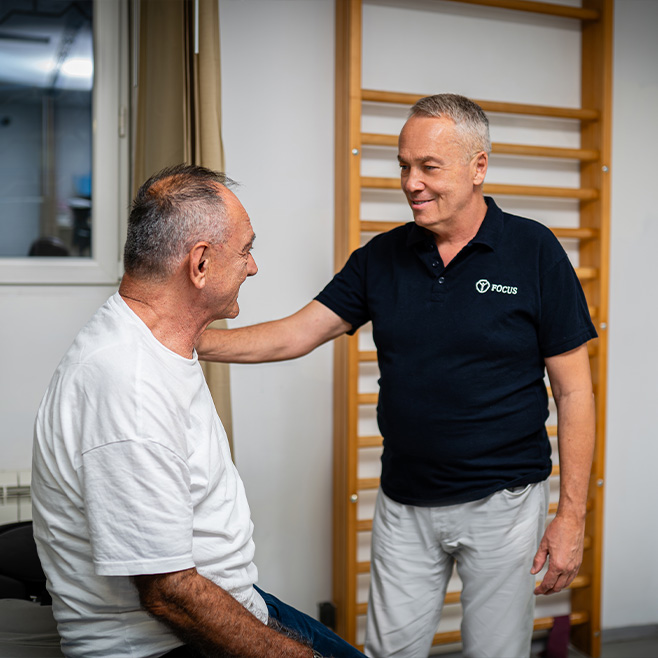
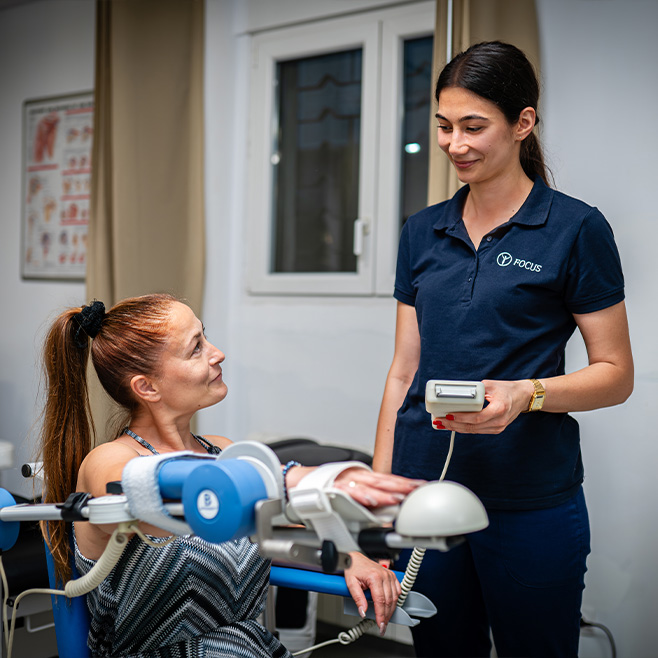
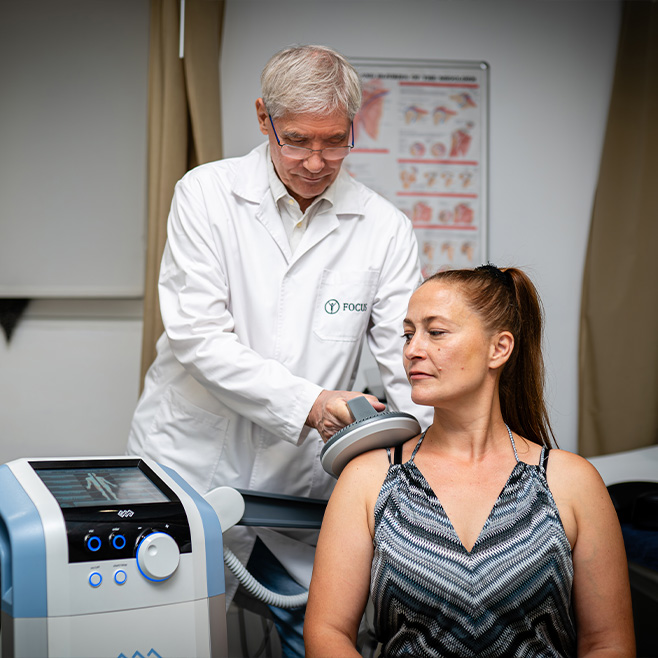
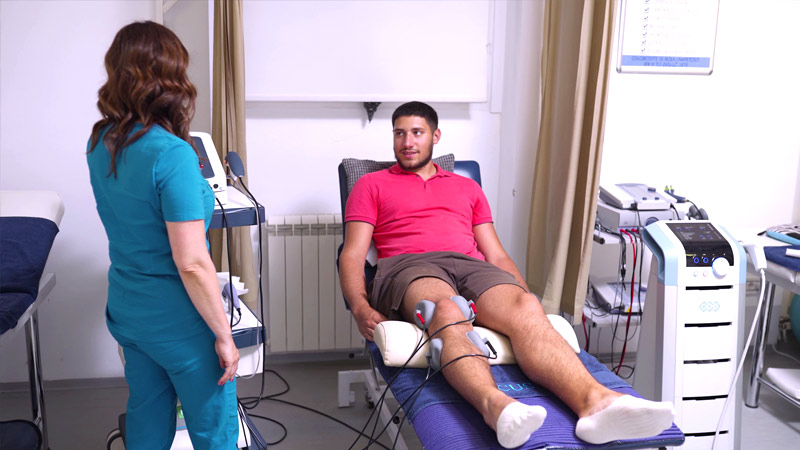

See the experiences of our satisfied patients who successfully recovered with the help of our physical therapy. Get acquainted with the testimonies of patients who faced various joint injuries, sports knee injuries, back injuries and similar problems, which we quickly, efficiently and successfully treated.
Aesthetic surgery
Focus Fizikal is a leading private clinic for physical therapy in Belgrade. For more than 10 years, we have been providing high-quality services that enable quick recovery and healing of our patients.




For all our current and future patients, we have made it possible to schedule an appointment online.


pon-pet:
08:00 - 20:00subota:
08:00 - 15:00


Mon-Fri:
08:00 - 20:00Saturday:
08:00 - 15:00