 +381 64 469 73 73
  Neck pain physical therapy
  Symptoms
  Causes
  Treatment
  FAQ
FAQ  Prices
  Gallery
  Testimonials
  Why choose us?
Cash
Through a current account

Focus Physical Therapy 100% guarantees fast and effective treatment.
SUPER DISCOUNT! 20% off all therapies in May! Call us 24/7!
Do not treat yourself based on information from the Internet!


Neck pain most commonly occurs as a result of muscle overuse, but it can also be caused by more serious changes in the cervical spine, such as degenerative conditions, cervical syndrome, or a herniated disc. Prolonged sitting, poor posture, working at a computer, and frequent use of mobile phones place additional strain on the neck region, leading to pain, stiffness, and reduced mobility. In some cases, the pain may radiate to the shoulders and arms, accompanied by tingling, weakness, or headaches.
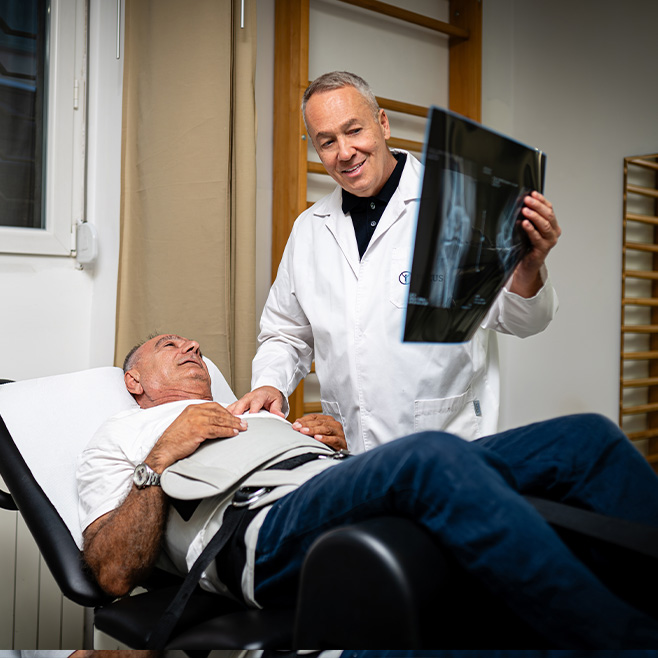
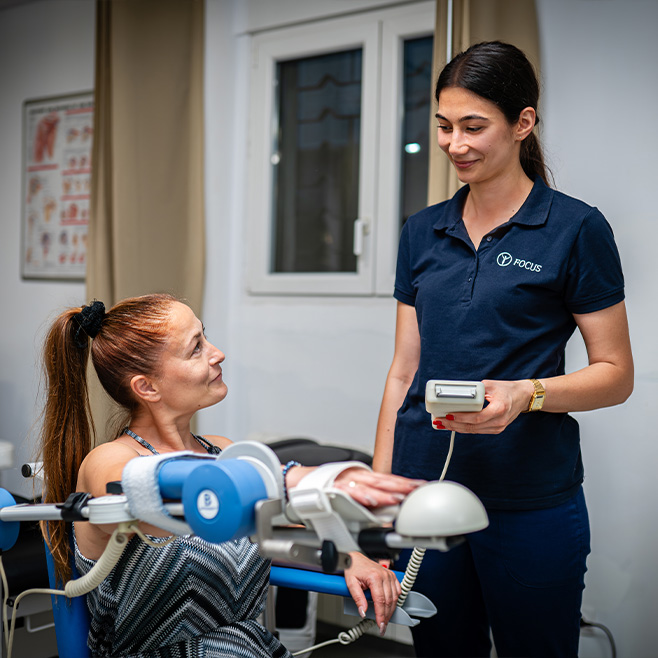
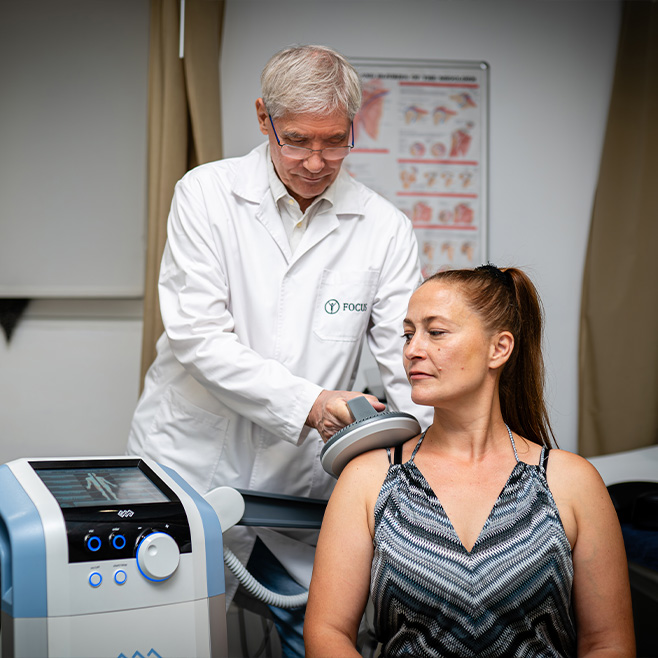
Physical therapy plays a key role in treating neck pain because it directly addresses the underlying cause of the problem. The goal of therapy is to reduce pain and muscle tension, improve mobility, and relieve pressure on nerve structures. The therapeutic approach includes methods such as electrotherapy (TENS and interferential currents), laser therapy, magnetotherapy, and manual techniques, which together contribute to faster recovery and help prevent the condition from becoming chronic. Each treatment plan is individually tailored according to the patient’s condition and the underlying cause of the problem.
Neck pain can present through various symptoms, depending on the cause and the extent of damage to the structures of the cervical spine. The most common symptoms include:
In more severe cases, symptoms may become more pronounced and include constant pain, pain radiating down the arm, and reduced muscle strength. If symptoms persist or worsen, it is necessary to begin therapy in a timely manner to prevent the development of a chronic condition.
Neck pain is a common issue that can affect people of all ages and significantly impact the quality of daily life. The causes can vary – from muscle tension and acute injuries to more serious conditions such as degenerative changes or nerve compression. Understanding the cause of neck pain is essential for proper treatment, selecting the appropriate therapy, and preventing the condition from becoming chronic.
The most common causes include:
Physical therapy is a key component in the treatment of neck pain because it directly addresses the underlying cause – reducing pain, relieving pressure on nerve structures, improving mobility, and stabilizing the cervical spine. The therapeutic approach is implemented gradually and includes several phases:
Regularly conducted therapy enables pain reduction, improved mobility, and stabilization of the cervical spine. With a proper therapeutic approach, most patients achieve significant improvement and long-term relief of symptoms.
When should physical therapy for neck pain start?
Physical therapy can begin as soon as the doctor confirms there is no risk of complications, often right after the acute phase of pain or injury has passed.
Which exercises are most effective for neck pain?
The most effective are a combination of stretching, strengthening exercises for the neck and shoulders, stabilization exercises, and mobility exercises, all tailored to the patient’s individual needs.
Does physical therapy hurt?
Exercises and therapy techniques may cause mild discomfort but should never cause severe pain; therapy is always adjusted to the patient’s tolerance.
How long does therapy last and how often should sessions be held?
The duration of therapy depends on the cause and intensity of pain, but typically it lasts 4–8 weeks with 2–3 sessions per week, along with home exercises that the patient performs regularly.
What other methods besides exercises are used in physical therapy?
In addition to exercises, methods such as electrotherapy (TENS), ultrasound, manual therapy, massage, cold or heat packs, and education on proper posture and ergonomics are commonly used.
Cash
Through a current account
Aesthetic surgery
Focus Fizikal is a leading private clinic for physical therapy in Belgrade. For more than 10 years, we have been providing high-quality services that enable quick recovery and healing of our patients.




For all our current and future patients, we have made it possible to schedule an appointment online.



pon-pet:
08:00 - 20:00subota:
08:00 - 15:00


Mon-Fri:
08:00 - 20:00Saturday:
08:00 - 15:00