 +381 64 469 73 73
  Physical therapy after surgery
  Symptoms
  Causes
  Treatment
  FAQ
FAQ  Prices
  Gallery
  Testimonials
  Why choose us?
Cash
Through a current account
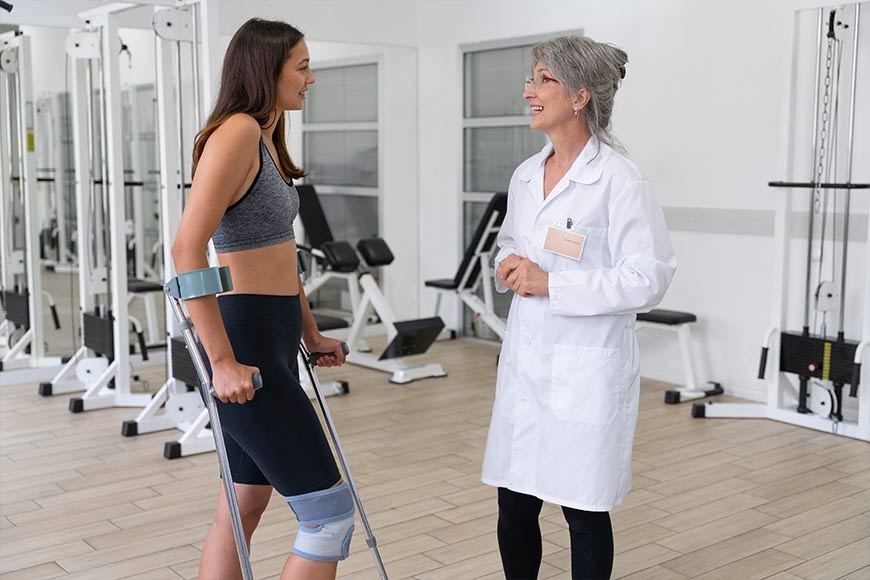
Focus Physical Therapy 100% guarantees fast and effective treatment.
SUPER DISCOUNT! 20% off all therapies in June! Call us 24/7!
Do not treat yourself based on information from the Internet!


Physical therapy after surgery is a key part of recovery and returning to daily activities. After surgical procedures, the body goes through a recovery phase that is often accompanied by pain, swelling, reduced mobility, and muscle weakness. Without proper rehabilitation, complications such as joint stiffness, muscle atrophy, and prolonged recovery can occur.
Timely and professionally guided physical therapy aims to reduce pain and swelling, accelerate tissue regeneration, and enable the return of full function to the operated area. It is especially important in the recovery after knee, hip, spine, and shoulder surgeries, where proper rehabilitation is crucial for the final outcome.
Through an individually tailored program, therapy includes a combination of different methods such as kinesitherapy, manual therapy, and electrotherapy, with gradual increases in load and muscle activation. The goal of therapy is not only recovery but also restoring stability, strength, and mobility, as well as preventing reinjury and long-term consequences.
After surgical procedures, patients often experience symptoms that can complicate and slow down recovery if not treated properly. The most common symptoms in the postoperative period include:
These symptoms are expected in the early phase of recovery, but if not treated correctly, they can lead to complications such as prolonged stiffness, reduced mobility, muscle atrophy, and slower return of function in the operated area.
Symptoms that appear after surgery are most often a result of the surgical procedure itself, as well as the way the body recovers during the postoperative period. The intensity and duration of these issues depend not only on the type of surgery but also on a range of individual factors such as overall health, level of physical activity, and the approach to rehabilitation. These factors play a significant role in the speed of recovery and the quality of functional restoration of the operated area:
Although certain symptoms are expected after surgery, improperly managed or delayed rehabilitation can lead to prolonged recovery and the development of complications such as chronic pain, stiffness, and reduced functionality of the operated area.
Postoperative physical therapy involves the gradual and controlled implementation of therapeutic procedures with the goal of safely returning to daily activities. Rehabilitation occurs in multiple phases, each with clearly defined objectives and therapeutic methods.
Initial phase: In the early stage of rehabilitation, the focus is on reducing pain and swelling, as well as protecting the operated area. Therapy is carried out through gentle movements and controlled mobilization, using methods such as electrotherapy (TENS), cryotherapy (cold packs), and manual therapy, aiming to reduce inflammation and pain.
Intermediate phase: In this phase, exercises are introduced to increase range of motion and gradually strengthen muscles. The goal is to prevent joint stiffness, improve flexibility, and restore basic function. Therapy includes stretching, active exercises, and targeted programs to rebuild muscle strength and mobility.
Final phase: In the final stage of rehabilitation, exercises become more intense and functional. The focus is on joint stabilization, improving coordination, and preparing for a return to daily and sports activities. Therapy includes strength, balance, and stability exercises, as well as functional movements such as walking, squats, and controlled loading.
Commonly used physical therapy methods include:
The combination of these methods enables faster and higher-quality recovery, reduces pain, improves mobility, strengthens muscles, and lowers the risk of postoperative complications.
When should physical therapy start after surgery?
Physical therapy usually begins as soon as the doctor confirms that the surgical site is stable and there is no risk of complications, often within the first few days after surgery.
How often should exercises be done?
Initially, exercises are done several times a day for short periods, gradually increasing in intensity and frequency as recovery progresses, tailored to individual needs.
Does physical therapy hurt?
Some exercises may cause mild discomfort, but therapy should never cause severe pain; exercises are adjusted if pain occurs.
What methods are commonly used in post-operative therapy?
Common methods include kinesiotherapy (movement exercises), manual therapy, electrotherapy, massage, and education on proper movement and posture.
How long does recovery take with physical therapy?
Recovery time depends on the type of surgery, patient age, and overall health, but regular therapy significantly speeds up functional recovery and reduces the risk of complications.
Cash
Through a current account
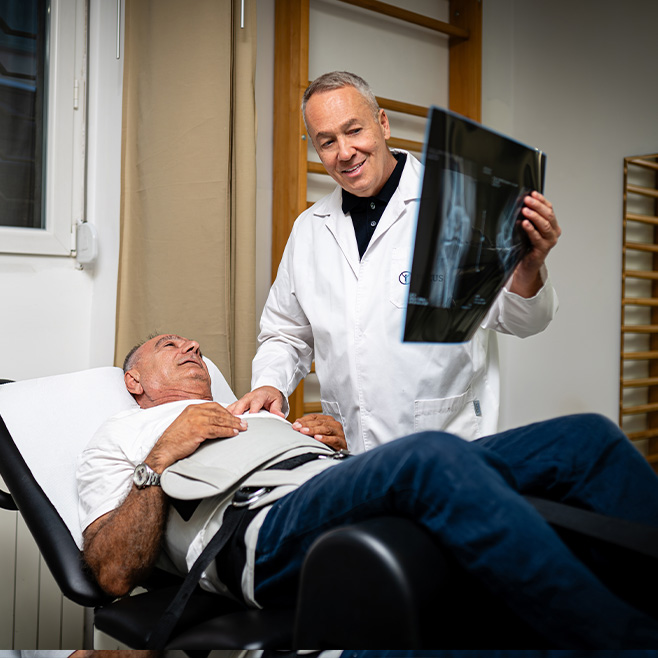
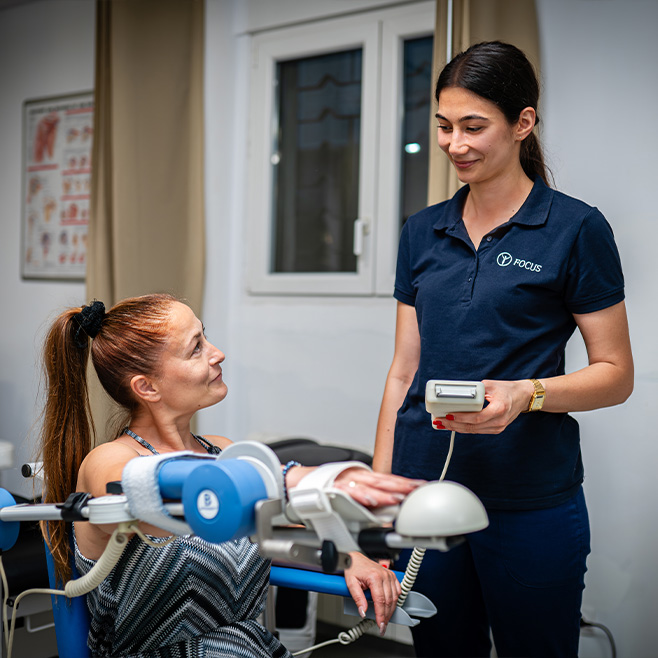
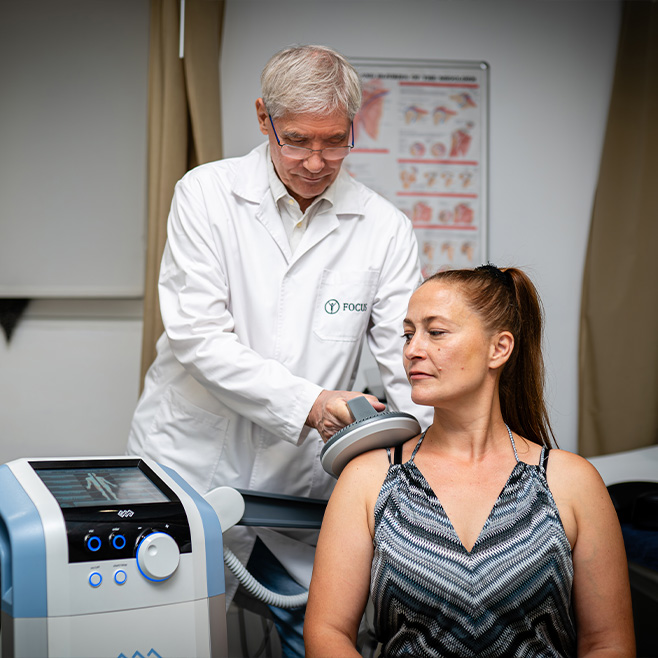
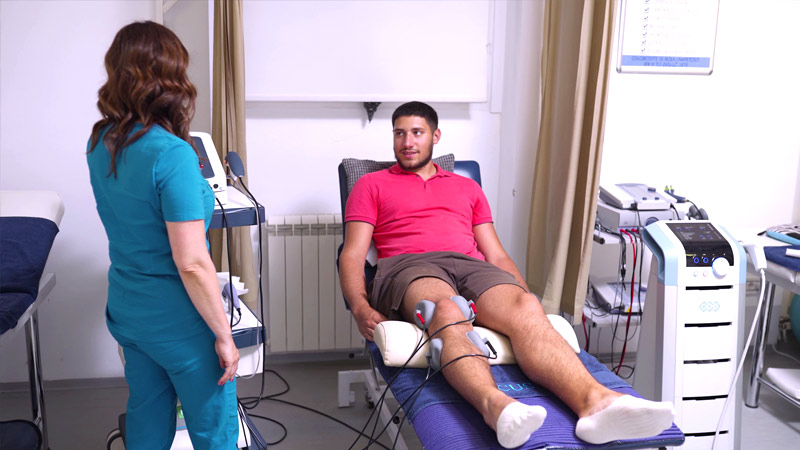

See the experiences of our satisfied patients who successfully recovered with the help of our physical therapy. Get acquainted with the testimonies of patients who faced various joint injuries, sports knee injuries, back injuries and similar problems, which we quickly, efficiently and successfully treated.
Aesthetic surgery
Focus Fizikal is a leading private clinic for physical therapy in Belgrade. For more than 10 years, we have been providing high-quality services that enable quick recovery and healing of our patients.




For all our current and future patients, we have made it possible to schedule an appointment online.



pon-pet:
08:00 - 20:00subota:
08:00 - 15:00


Mon-Fri:
08:00 - 20:00Saturday:
08:00 - 15:00