 +381 64 469 73 73
  What does rehabilitation after hip or knee surgery look like?
  Symptoms
  Causes
  Treatment
  FAQ
FAQ  Special offer
  Prices
  Gallery
  Testimonials
  Why choose us?
Cash
Through a current account
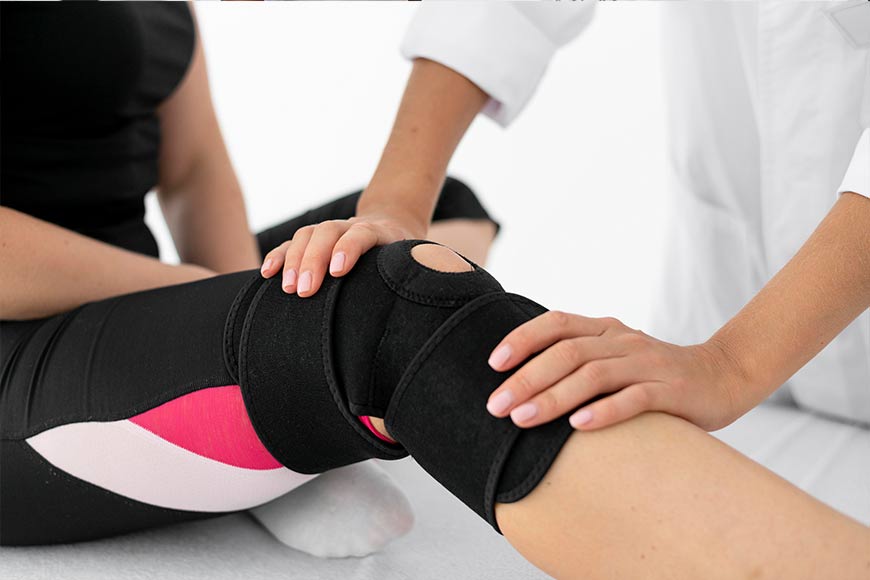
Focus Physical Therapy 100% guarantees fast and effective treatment.
SUPER DISCOUNT! 20% off all therapies in May! Call us 24/7!
Do not treat yourself based on information from the Internet!


Rehabilitation after hip or knee surgery is crucial for helping patients return to daily life. This process involves several stages, from the immediate postoperative period to full joint training, using various therapeutic methods such as physical therapy, laser therapy, magnetic therapy, and electrotherapy. Proper monitoring of the patient’s condition and gradual increases in activity are essential for achieving optimal results.
Rehabilitation is carried out in multiple phases, tailored to the patient’s needs. The goal is to restore full joint functionality, reduce pain, and rebuild muscle strength. In the first days after surgery, patients use aids (e.g., crutches), and therapy focuses on pain control, inflammation reduction, and prevention of complications such as blood clots and muscle atrophy.
Later stages of rehabilitation involve gradually increasing the load on the joint, improving mobility, and strengthening muscles. Rehabilitation is a long-term process that requires discipline, regular therapy sessions, and patience to achieve the best possible outcome.
Although hip or knee surgery is usually performed to address a serious medical issue, such as degenerative joint changes or injuries, the postoperative period can present certain challenges in the form of symptoms:
Pain: Postoperative pain is a natural symptom after any surgical procedure. In the first days after surgery, the pain is intense but gradually decreases with the help of painkillers and therapy.
Swelling and inflammation: Inflammation is common and can cause swelling around the operated joint, making movement more difficult.
Limited mobility: The joint may be stiff initially, which is normal due to the surgery, and time is needed to restore the full range of motion.
Ensuring stability: Without proper physical therapy, muscles can weaken, reducing joint stability.
Symptoms such as pain, swelling, and limited mobility are part of the natural postoperative course, but with proper rehabilitation, they can be alleviated and even fully resolved.
There are several causes that can lead to the need for hip or knee surgery. These issues are usually the result of degenerative processes, injuries, or diseases that cause damage to cartilage, ligaments, or bones.
Osteoarthritis: The most common reason for hip or knee surgery, especially in older adults. Osteoarthritis leads to cartilage wear, causing pain, stiffness, and reduced mobility.
Injuries: Fractures, sprains, or ligament damage (e.g., ACL tears) often require surgical intervention to restore joint function.
Infections or tumors: In rare cases, infections or tumors can damage the joints and necessitate surgery.
Understanding the underlying causes that lead to surgery helps ensure more effective rehabilitation and reduces the risk of complications during the postoperative period.
Rehabilitation after hip or knee surgery involves several phases, each with specific goals. The duration of rehabilitation depends on the type of surgery, the patient’s age, and overall health.
Phase 1 (0–2 weeks): Postoperative recovery, including pain management, reduction of swelling and inflammation. The patient begins with passive joint mobilization exercises and light walking with assistive devices.
Phase 2 (2–6 weeks): Focus on restoring mobility, increasing muscle strength, and starting exercises for joint stabilization.
Phase 3 (6 weeks–3 months): Range of motion is further increased, and the patient begins bearing more weight on the joint. More intensive physical exercises for muscle strengthening are introduced.
Phase 4 (3 months and beyond): Recovery continues with the goal of returning to normal activities, including sports and more demanding physical activities.
In addition to physical therapy and exercises, various devices can significantly accelerate recovery and reduce pain during rehabilitation:
Laser therapy: Uses light energy to improve circulation, reduce inflammation, and stimulate tissue regeneration. It helps relieve pain and speeds up healing.
Magnetic therapy: Magnets increase circulation in damaged tissues, reduce pain, and accelerate recovery.
Electrotherapy: Uses electrical impulses to stimulate muscles, helping strengthen them and prevent atrophy during recovery. Electrotherapy also has an analgesic effect, aiding in pain relief.
Devices such as laser, magnetic therapy, and electrotherapy play a significant role in speeding up recovery, reducing pain, and increasing muscle strength after hip or knee surgery. Rehabilitation typically lasts from several months up to six months, depending on individual progress and the surgical procedure. Regular check-ups with a doctor and physiotherapist are essential for successful recovery.
What does the first phase of rehabilitation after hip or knee surgery look like?
The first phase of rehabilitation focuses on reducing pain, swelling, and inflammation. The patient typically uses crutches or a walker, and therapy includes gentle exercises to restore mobility, prevent complications (e.g., blood clots), and manage pain.
When can I start bearing weight on the operated joint?
The start of weight-bearing depends on the type of surgery and the doctor's recommendation, but it is usually gradually increased from the 4th to the 6th week. During rehabilitation, the focus is on progressively restoring strength and mobility in the joint.
How long does rehabilitation last after surgery?
Rehabilitation lasts several months, usually between 3 to 6 months, and sometimes longer, depending on the patient’s recovery. Most patients can resume daily activities and return to normal life after 6 months, while full recovery may take up to a year.
Is pain during rehabilitation normal?
Mild pain and discomfort may occur, especially in the early stages of rehabilitation, as the joint gradually regains function. However, the pain should not be severe or constant. If the pain becomes intense or does not subside, you should consult your doctor or therapist.
Which therapies are used during rehabilitation?
During rehabilitation, various therapies are used, including physical therapy (exercises for strength, flexibility, and balance), electrotherapy, magnetic therapy, as well as laser treatment to reduce pain and accelerate recovery. The therapies are tailored to the patient’s needs and the stage of recovery.
50% discount on knee treatment package
50% discount on a knee pain treatment package at a great price of 5,000 RSD (10,000 RSD). The knee package includes:
Treat your knee pain quickly and effectively! Call us 00–24h!
Cash
Through a current account
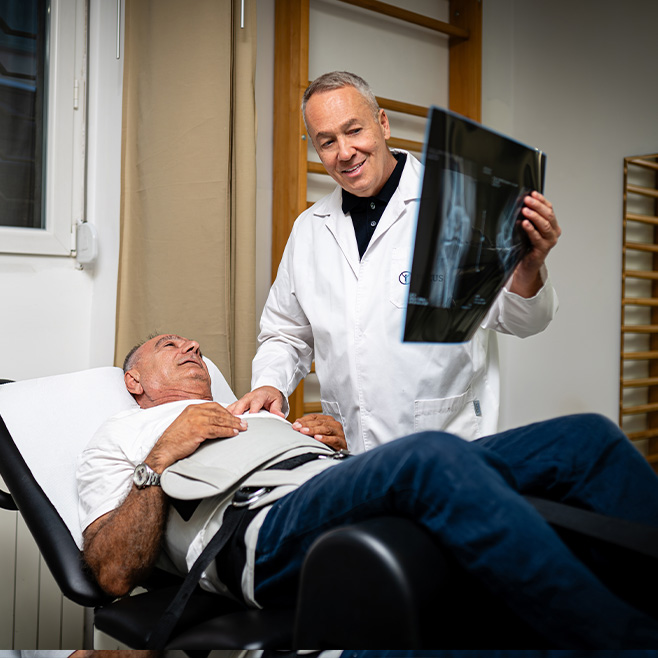
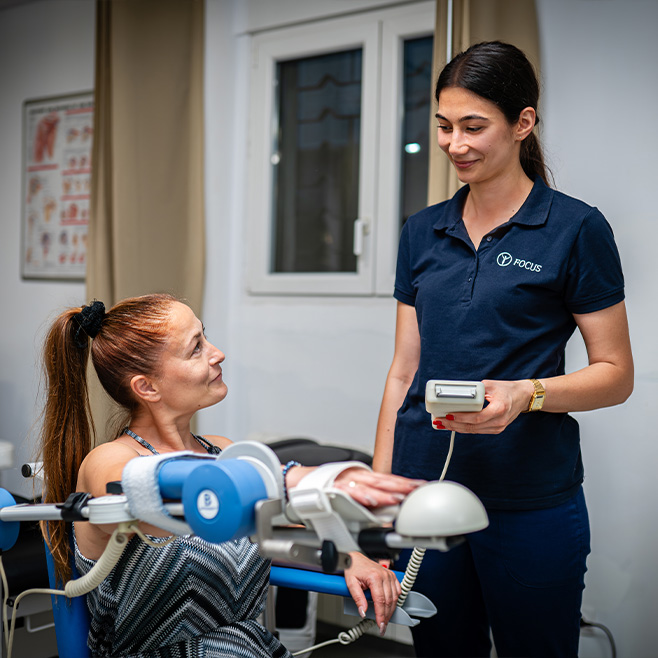
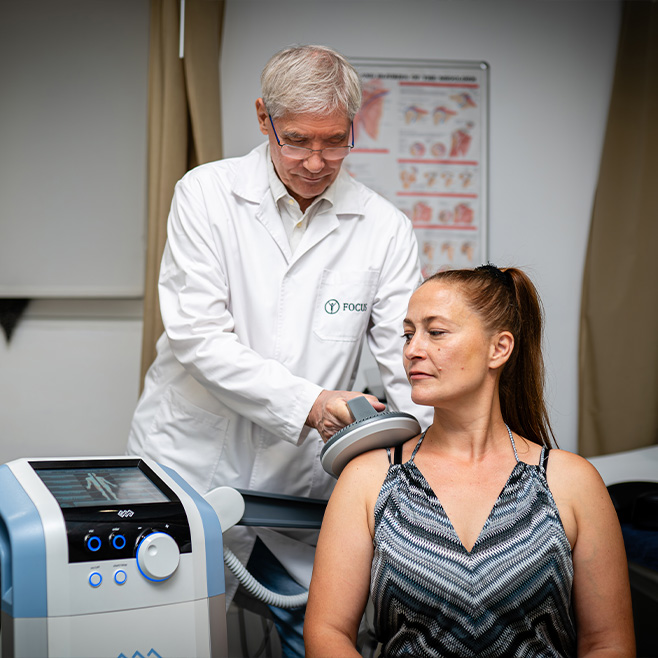
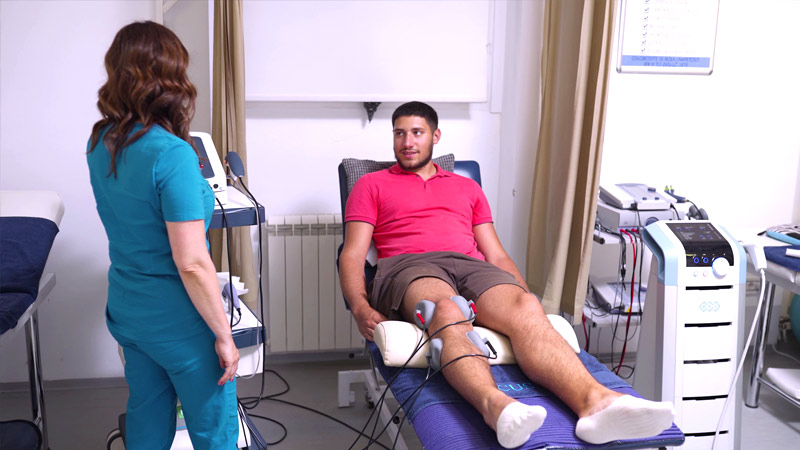

See the experiences of our satisfied patients who successfully recovered with the help of our physical therapy. Get acquainted with the testimonies of patients who faced various joint injuries, sports knee injuries, back injuries and similar problems, which we quickly, efficiently and successfully treated.
Aesthetic surgery
Focus Fizikal is a leading private clinic for physical therapy in Belgrade. For more than 10 years, we have been providing high-quality services that enable quick recovery and healing of our patients.




For all our current and future patients, we have made it possible to schedule an appointment online.



pon-pet:
08:00 - 20:00subota:
08:00 - 15:00


Mon-Fri:
08:00 - 20:00Saturday:
08:00 - 15:00