 +381 64 469 73 73
  Arm Muscle Pain
  Symptoms
  Causes
  Treatment
  FAQ
FAQ  Prices
  Gallery
  Testimonials
  Special offer
  Why choose us?
Cash
Through a current account

Focus Physical Therapy 100% guarantees fast and effective treatment.
SUPER DISCOUNT! 20% off all therapies in June! Call us 24/7!
Do not treat yourself based on information from the Internet!


Arm muscle pain is one of the most common symptoms experienced by individuals who engage in physical labor, athletes, and those who spend long hours in static positions in front of a computer. The muscle system of the arm is extremely complex and divided into groups that allow for powerful shoulder movements, precise manipulation at the elbow, and fine motor control of the hand and fingers. Since these muscles are in constant use during daily activities, they are prone to microtrauma, the buildup of lactic acid, and the formation of painful knots that limit the normal functioning of the limb.
The anatomy of the arm muscles includes the deltoid muscle of the shoulder, the biceps and triceps of the upper arm, as well as the complex group of flexors and extensors of the forearm that control hand movement. Each of these muscles is surrounded by a fascial sheath, which can become tight and painful due to dehydration, poor circulation, or chronic stress. When muscle fibers endure constant strain without adequate rest, inflammatory processes develop, manifesting as dull pain or a feeling of tightness. Understanding the balance between agonists and antagonists in the arm is crucial for determining the cause of imbalances that lead to pain. Timely physical therapy, massage, and targeted stretching exercises prevent the development of chronic contractures and maintain the elasticity of muscle tissue.
The symptoms of arm muscle pain typically develop gradually after physical exertion, but can also manifest as sudden, sharp pain in the case of muscle fiber rupture. Patients often describe a feeling of heaviness in the arms, rapid fatigue during routine tasks, and localized muscle tenderness to touch or pressure. The clinical presentation is characterized by the fact that pain often intensifies when stretching the affected muscle or attempting to lift even light loads.
The most common symptoms accompanying arm muscle pain include:
These signs are clear indicators that the arm's muscle tissue is under strain and requires a recovery period and proper metabolic support. Timely recognition of these symptoms helps prevent more severe injuries such as ruptures or chronic tendon inflammations, which take significantly longer to heal.
The causes of arm muscle pain are most often associated with acute overexertion during sports, improper lifting techniques, or prolonged work in a non-physiological position. Factors such as sudden movements without prior warm-up, a lack of magnesium and water in the body, or poor circulation directly contribute to the occurrence of cramps and pain. Although the pain is localized in the muscle, the root of the problem often lies in poor posture of the entire shoulder girdle and neck.
The main causes of arm muscle pain include:
Accurate determination of the cause of the pain allows for the creation of a treatment plan that will quickly eliminate tension and restore the muscle's natural length and strength. Each of these causes requires a specific approach, from cooling for acute injuries to warming up and massage for chronic tension.
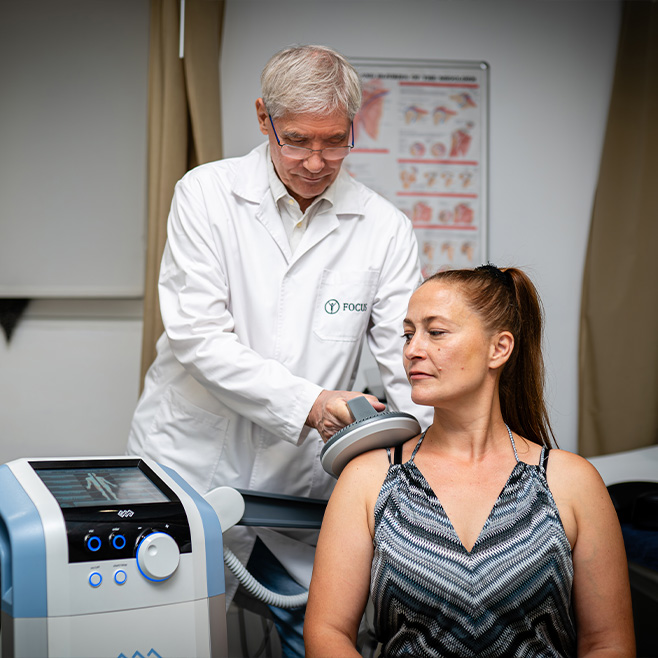
At Fizikalna terapija Focus, our approach to treating lower back pain is individualized and focused on permanently addressing the root cause — from herniated discs to muscle imbalances — rather than just masking symptoms. We use the most advanced global technologies for non-surgical decompression of the vertebrae, eliminating nerve root pain, and restoring the natural strength and mobility of your spine.
The process includes:
Regular implementation of the prescribed exercises and education on proper sitting and sleeping ergonomics ensures long-term maintenance of results. This comprehensive treatment at Fizikalna terapija Focus not only eliminates lower back pain but also restores full functionality, enabling a safe return to all daily and physical activities.
What can cause muscle pain in the arm?
Muscle pain in the arm can be caused by overexertion, injuries, poor posture, or repetitive movements (e.g., working on a computer). Muscle tension from stress or improper exercise technique can also lead to pain.
How can arm muscle pain be relieved?
Rest is crucial. Additionally, applying cold or warm compresses, massaging the muscles, and doing light stretching exercises can help. Taking painkillers like ibuprofen can reduce pain and inflammation. If the pain is caused by tension, relaxation and deep breathing can also contribute to relief.
When should I see a doctor for arm muscle pain?
If the pain lasts for more than a few days, worsens, or is accompanied by symptoms like weakness or numbness in the arm, you should see a doctor. If the pain is the result of an injury or fall, it’s best to seek medical attention to rule out more serious issues.
Can arm muscle pain be a sign of a more serious problem?
Yes, sometimes pain can indicate a more serious condition, such as nerve injuries, joint issues, or carpal tunnel syndrome. If the pain doesn’t go away or worsens, it’s advisable to visit a doctor for an accurate diagnosis.
How can arm muscle pain be prevented?
Regular stretching and strengthening exercises for the arm, as well as taking breaks from repetitive activities, can significantly reduce the risk of pain. Proper posture and using ergonomic equipment while working can also help prevent arm muscle injuries.
Cash
Through a current account
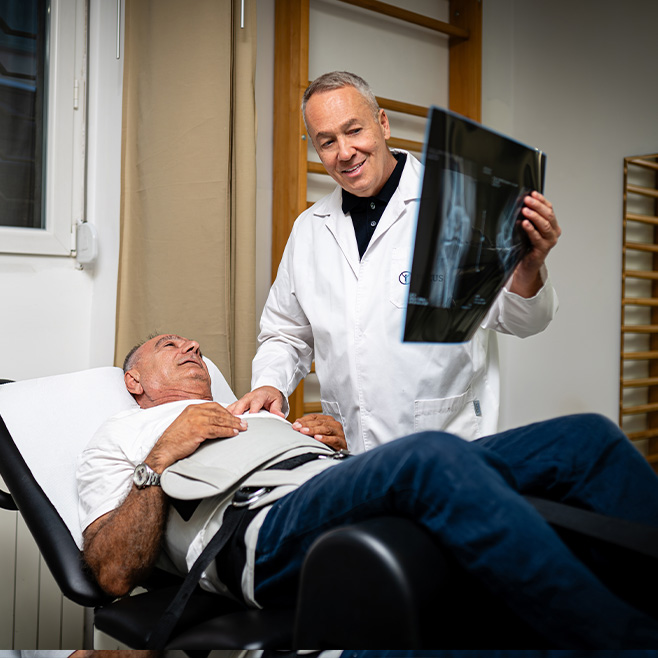
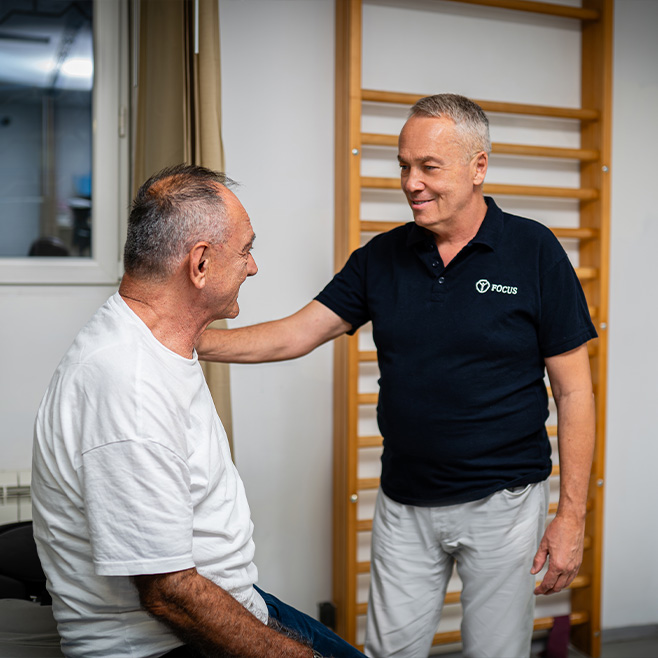
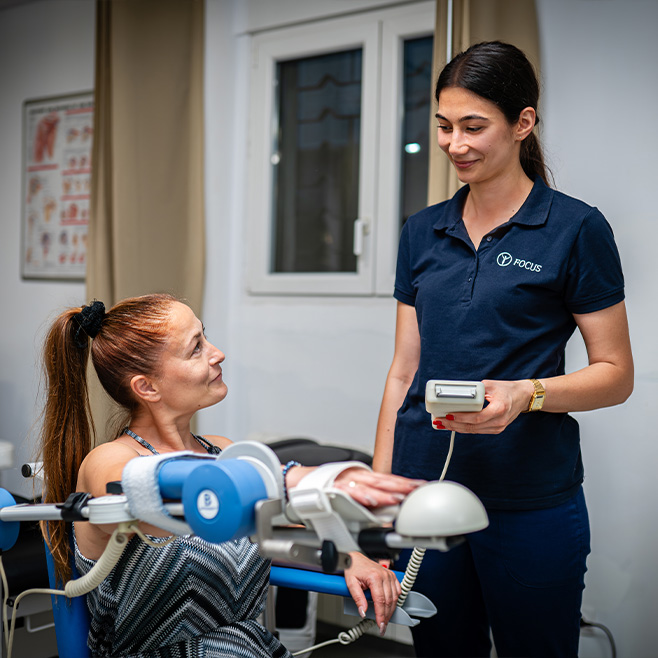
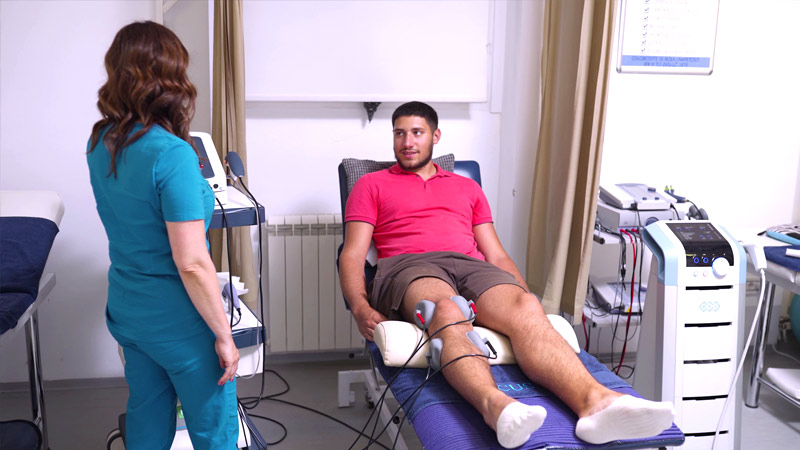

See the experiences of our satisfied patients who successfully recovered with the help of our physical therapy. Get acquainted with the testimonies of patients who faced various joint injuries, sports knee injuries, back injuries and similar problems, which we quickly, efficiently and successfully treated.
Aesthetic surgery
Focus Fizikal is a leading private clinic for physical therapy in Belgrade. For more than 10 years, we have been providing high-quality services that enable quick recovery and healing of our patients.




For all our current and future patients, we have made it possible to schedule an appointment online.



pon-pet:
08:00 - 20:00subota:
08:00 - 15:00


Mon-Fri:
08:00 - 20:00Saturday:
08:00 - 15:00