 +381 64 469 73 73
  Back and hip pain
  Symptoms
  Causes
  Treatment
  FAQ
FAQ  Prices
  Gallery
  Special offer
  Why choose us?
Cash
Through a current account
Focus Physical Therapy 100% guarantees fast and effective treatment.
SUPER DISCOUNT! 20% off all therapies in June! Call us 24/7!
Do not treat yourself based on information from the Internet!


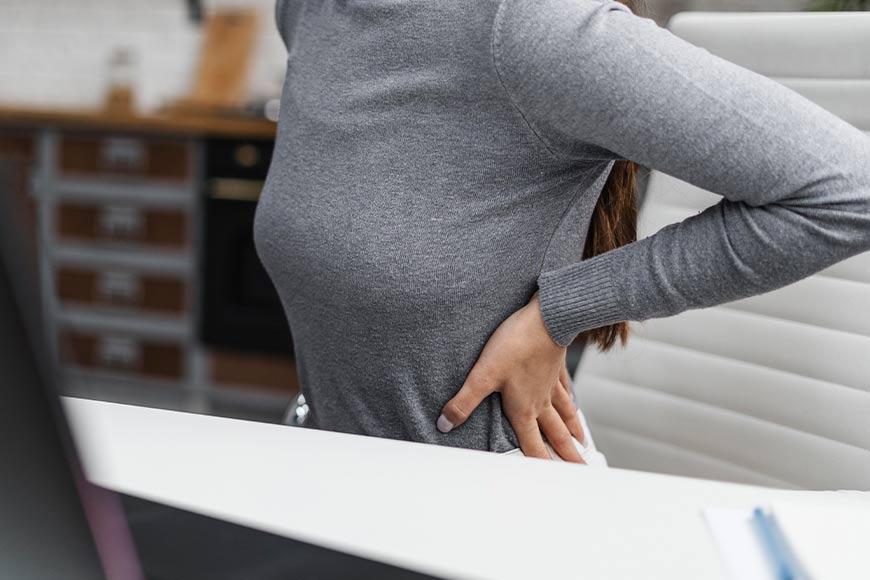
Pain in the spine and hips is one of the most common clinical syndromes, as these two regions are biomechanically inseparably linked. The lower part of the spine (lumbar region) and the hip joints form a kinetic chain that carries the entire weight of the upper body and allows for leg movement. When a problem arises in the spine, the body unconsciously alters its gait pattern, which overburdens the hips, and conversely, limited hip mobility directly increases pressure on the vertebrae and discs.
The anatomy of this area includes the lumbar vertebrae, sacrum (tailbone), iliac bones of the pelvis, and the hip joint (acetabulum and femoral head). Pain occurs due to irritation of the joint cartilage, inflammation of tendons attaching to the pelvis, or pressure on major nerves such as the sciatic nerve. In patients who lead a sedentary lifestyle or engage in heavy physical labor, wear and tear of these structures occurs, leading to chronic inflammation.
Understanding the connection between trunk stability and hip mobility is crucial for determining the cause of discomfort. Timely physiotherapeutic diagnosis helps prevent the development of permanent degenerative changes that could require surgical hip replacement.
The symptoms of pain in the spine and hips vary from a dull discomfort in the lower back that radiates toward the groin, to sharp pain with every step or when attempting to rise from a chair. Patients often report that it is most difficult for them to put on socks or get into a car, as these actions require synchronized movement of both the spine and hips. The clinical picture is specific, as the pain can shift depending on which structure is under the greatest pressure at any given moment.
The most common symptoms accompanying pain in the spine and hips include:
These signs are clear indicators that the lumbopelvic region is under strain, requiring professional evaluation. Early recognition of these symptoms allows the physical therapist to restore the body's symmetry and prevent further cartilage damage progression.
The causes of combined pain in the spine and hips are most often related to degenerative processes, muscle imbalances, and postural stress. Factors such as excess body weight, congenital asymmetries in leg length, or weakness of the gluteal muscles directly contribute to the onset of pain. Although pain may appear simultaneously in both areas, often one region is the primary cause, while the other suffers due to compensation.
The main causes of pain in the spine and hips include:
Accurately determining whether the pain primarily originates from within the hip joint or the spinal column allows for the creation of an individualized treatment plan. Each of these causes requires a specific rehabilitation approach to achieve lasting pain relief.
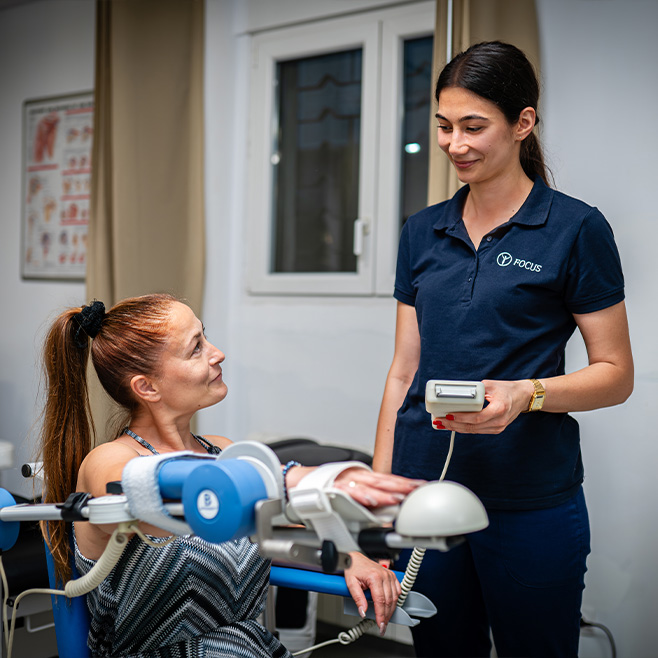
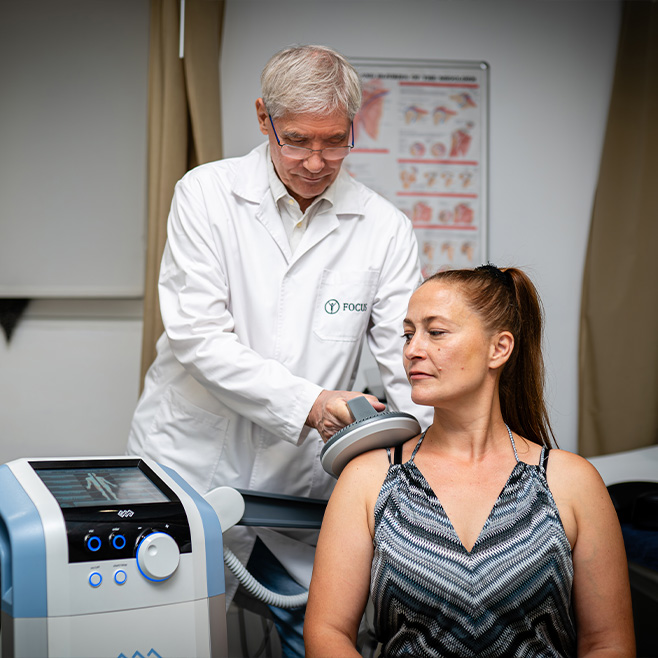
Our approach to treating combined spine and hip pain at the Focus Physical Therapy center is strictly individualized and aimed at the rapid elimination of the root cause, ranging from lumbar sciatica and disc herniation to coxarthrosis and sacroiliac joint dysfunction. We utilize state-of-the-art medical technology that performs deep joint decompression, regenerates cartilage and soft tissues, providing you with perfect balance, walking stability, and full mobility without any limitations.
The Rehabilitation Process Includes:
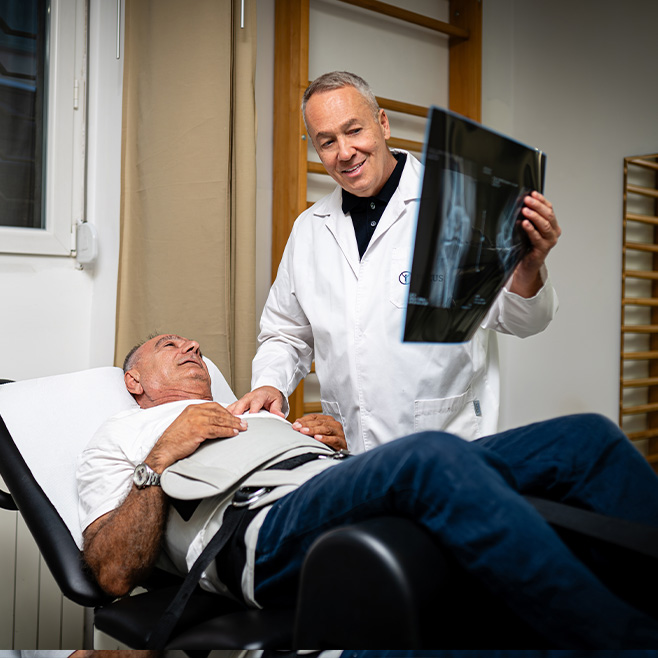
Physiatric Examination and Kinesiological Assessment: A detailed functional assessment of walking biomechanics, hip mobility testing, and precise palpation of the lumbar spine. We identify the exact level of compression and muscle imbalance to create the fastest plan for restoring balance between the back and legs.
HILT Laser (High-Intensity Laser Therapy): Powerful biostimulation that penetrates deep into the hip joint capsules and spinal nerve roots. The HILT laser instantly suppresses inflammation, reduces pain sensitivity, and accelerates the regeneration of damaged cartilage, providing rapid relief for conditions that make movement difficult.
TECAR Therapy: Radiofrequency therapy that uses internal heat to achieve immediate decontraction of the deep core and hip muscles. TECAR therapy drastically improves local circulation and fascial elasticity, eliminating the tension that causes a feeling of stiffness and heaviness in the lower body.
Super Inductive System (SIS) - High-Inductivity Magnetotherapy: Application of a powerful magnetic field that acts at the cellular level, stimulating bone tissue regeneration and soothing irritated nerves (such as the sciatic nerve). This method is crucial for the long-term stabilization of the spinal column and hip joints.
Manual Therapy and Joint Mobilization: Specialized manual techniques used by our experts to release blocked spinal segments and hips from excessive pressure. Joint mobilization instantly establishes proper walking biomechanics and reduces mechanical stress on the vertebrae and hip joint surfaces.
Kinesitherapy and Core Stabilization: An individually guided exercise program with an emphasis on strengthening the gluteal region, core stabilization, and stretching the hip flexor muscles. These exercises permanently correct posture and make your "muscle corset" resilient to daily strain.
Education on Ergonomics and Joint Protection: Counseling on protective postures during movement, proper sitting habits, and footwear correction to reduce load. Our goal is to teach you self-help techniques that will prevent symptom recurrence and maintain the achieved mobility.
The comprehensive application of these advanced methods at the Focus Physical Therapy center guarantees maximum treatment efficiency even in cases of chronic degenerative changes. With our personalized approach, you will regain confidence in your body and be able to return to your responsibilities with a sense of strength, lightness, and pain-free movement.
What causes pain in the back and hips?
Pain in the back and hips can have multiple causes, including poor posture, injuries, degenerative changes such as osteoarthritis, herniated discs, muscle and ligament problems, or stress. Additionally, pain in these areas can be linked to poor lifestyle habits, such as sitting or standing in bad positions and being overweight.
How does physical therapy help in treating back and hip pain?
Physical therapy is highly effective in treating back and hip pain. It includes stretching and strengthening exercises, joint mobilization, massages, electrotherapy, heat and cold applications, and ergonomic and postural advice. The goal of therapy is to improve mobility, strengthen muscles, reduce pain, and prevent further damage.
What types of exercises are helpful for back and hip pain?
Exercises that strengthen the muscles of the back, abdomen, thighs, and glutes are particularly useful. These exercises help stabilize the spine and hips, reducing pressure on these areas. Stretching the muscles around the hips and back can also help reduce tension and improve flexibility.
How can I prevent back and hip pain?
Preventing back and hip pain involves maintaining proper posture, exercising regularly, avoiding prolonged sitting or standing in bad positions, using ergonomic aids, and managing body weight. It is also important to avoid overexerting yourself physically without a proper warm-up.
How long does it take to recover from back and hip pain with physical therapy?
Recovery time depends on the cause of the pain and the severity of the condition. With regular physical therapy treatments, many people feel improvements after a few weeks, but full recovery may take several months, especially if there are more serious issues like arthritis or herniated discs.
Cash
Through a current account
Aesthetic surgery
Focus Fizikal is a leading private clinic for physical therapy in Belgrade. For more than 10 years, we have been providing high-quality services that enable quick recovery and healing of our patients.




For all our current and future patients, we have made it possible to schedule an appointment online.



pon-pet:
08:00 - 20:00subota:
08:00 - 15:00


Mon-Fri:
08:00 - 20:00Saturday:
08:00 - 15:00