 +381 64 469 73 73
  Bell's palsy Therapy
  Symptoms
  Causes
  Treatment
  FAQ
FAQ  Prices
  Gallery
  Testimonials
  Why choose us?
Cash
Through a current account

Focus Physical Therapy 100% guarantees fast and effective treatment.
SUPER DISCOUNT! 20% off all therapies in June! Call us 24/7!
Do not treat yourself based on information from the Internet!


Bell’s palsy is the most common cause of acute facial muscle weakness. The facial nerve passes through an extremely narrow and winding bony canal (the fallopian canal) on its way to the mimetic muscles. When an inflammatory process occurs—whether due to a viral infection, immune response, or exposure to drafts—the nerve begins to swell. Since the bone cannot expand, enormous pressure is exerted on the nerve fibers (compressive ischemia), temporarily or permanently interrupting impulse conduction and leaving the facial muscles without the necessary motor stimulation.
At Focus Physical Therapy Center, we approach Bell’s palsy as an urgent condition in physical medicine. The key to success lies in rapid intervention: the sooner appropriate therapy is initiated, the lower the risk of permanent complications (such as contractures or involuntary associated movements—synkinesis). Our expert team conducts a detailed neurological and functional assessment, carefully monitoring the exact level of nerve lesion, in order to create a safe, phased rehabilitation program that aligns with the natural biological rhythm of nerve regeneration.
Proper management of patients with Bell’s palsy requires maximum precision in the application of physical therapy modalities. Through individualized protocols at Focus Physical Therapy Center, we strictly follow the neurophysiological stages of recovery. In the early phase, the primary goal is to reduce nerve swelling and protect the eye, while in later phases, we focus on controlled movement re-education. This approach ensures that facial muscles recover synchronously, preserving the natural expression and symmetry of your face.
The clinical presentation of Bell’s palsy develops extremely rapidly, often overnight, reaching its peak within 48 to 72 hours. At Focus Physical Therapy Center, we carefully monitor the progression of these symptoms, as they provide insight into whether the condition represents a mild conduction block (neuropraxia) or deeper damage to the nerve fibers.
The most common symptoms include:
At Focus Physical Therapy Center, early recognition of these signs is a crucial step toward successful recovery, as it allows timely intervention to prevent acute inflammation from progressing into chronic tissue damage or permanent functional loss.
The exact cause of Bell's palsy is not fully understood, but experts believe that certain factors and conditions may play a key role. One frequently mentioned cause is exposure to cold, particularly during driving or after sudden temperature changes, such as exposure of a warm body to cold air or drafts while the hair is wet. These factors are associated with an increased risk of developing Bell's palsy.
In addition to exposure to cold, viral infections are also thought to trigger Bell's palsy. Some of the viruses associated with this condition include Herpes simplex virus (HSV), which causes cold sores, and Varicella-zoster virus (VZV), the cause of chickenpox and shingles. These infections can lead to inflammation and swelling of the facial nerve, resulting in weakness or paralysis of the facial muscles. Individuals with weakened immune systems due to stress, lack of sleep, physical trauma, or autoimmune diseases may be more susceptible to developing Bell's palsy. Bell's palsy most commonly affects one side of the face. The face becomes paralyzed and "droops," causing an inability to raise the eyebrow, corner of the mouth, furrow the brow, or close the eye on the affected side. Within 48 hours of the initial symptoms, such as slight tingling and numbness of the face, complete or partial paralysis of the face can occur.
This condition is often accompanied by severe pain behind the ear, but it is usually not associated with other neurological symptoms. It is more common in men, though it can also affect women, especially during pregnancy.
Treatment of Bell's Palsy
Treatment of Bell's Palsy depends on the cause of the condition, but it is important to start therapy as soon as possible to restore facial nerve function quickly.
Treatment of Bell's Palsy involves several approaches, including medications, physical therapy, and, in more severe cases, surgical interventions. Corticosteroid medications are often the first step in therapy and are used to reduce inflammation and swelling. Treatment with these medications may last several months, depending on the severity of symptoms and the speed of recovery.
In cases of complications, such as ectropion (outward turning of the lower eyelid), surgical treatment may be necessary. Surgical procedures may include releasing pressure on the nerve, nerve repair, or reconstructive surgeries to restore facial function.
Physical therapy is a crucial part of treatment and includes a range of different procedures and techniques. These may include:
An essential part of physical therapy is also electrical stimulation of the affected side of the face, as well as performing exercises in front of a mirror to improve coordination and muscle function.
Although Bell's Palsy usually resolves within 6 months, some patients may experience symptoms for a longer duration, and occasionally chronic weakness may occur. In rare cases, the nerve may be permanently damaged. Therefore, it is important to understand the seriousness of this condition and to address treatment in a timely manner.
Our experience in treating Bell's Palsy shows that the application of comprehensive physical therapy often yields very satisfactory results. Our patients typically progress quickly and return to their daily activities with improved facial function.
How is Beol's facial palsy treated?
Most people recover within a few weeks to a few months without specific treatment. In some cases, doctors may prescribe corticosteroids to reduce nerve inflammation. Facial exercises and physical therapy can help speed recovery.
What are the long-term effects of Beol's facial palsy?
Most people make a full recovery with no long-term effects. In rare cases, permanent weakness or facial asymmetry may occur. Regular medical check-ups and early intervention can reduce the risk of complications.
Can Beol's facial palsy recur?
Although recurrence of Beol's palsy is rare, it is possible for the condition to return, especially in people with a predisposition or chronic medical conditions.
When should you seek medical help?
If you notice sudden weakness or facial paralysis, seek medical attention immediately to rule out more serious causes such as stroke. Also, see your doctor if your symptoms don't improve after a few weeks.
Manual massages (50 min)
5.000 din
5.000 din
Physical treatment for facial paresis
4.000 din
4.000 din
Package for 10 physical treatments for facial paresis + control examination
36.000 din
36.000 din
Cash
Through a current account
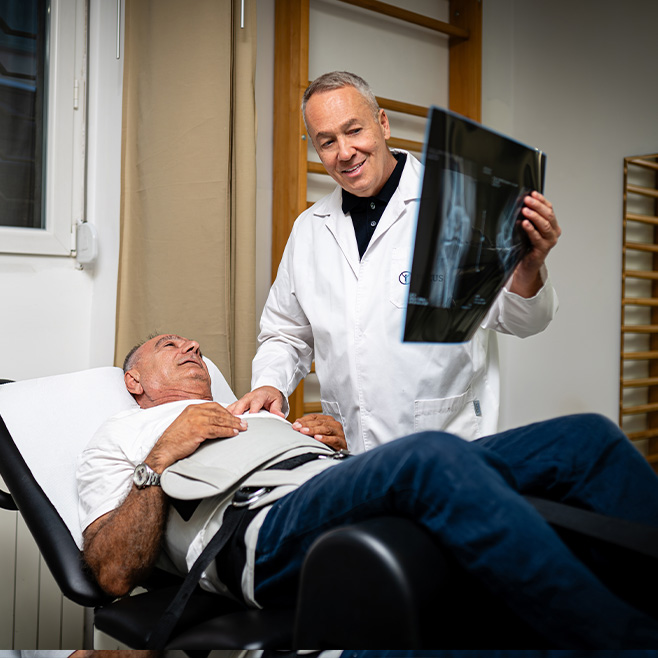
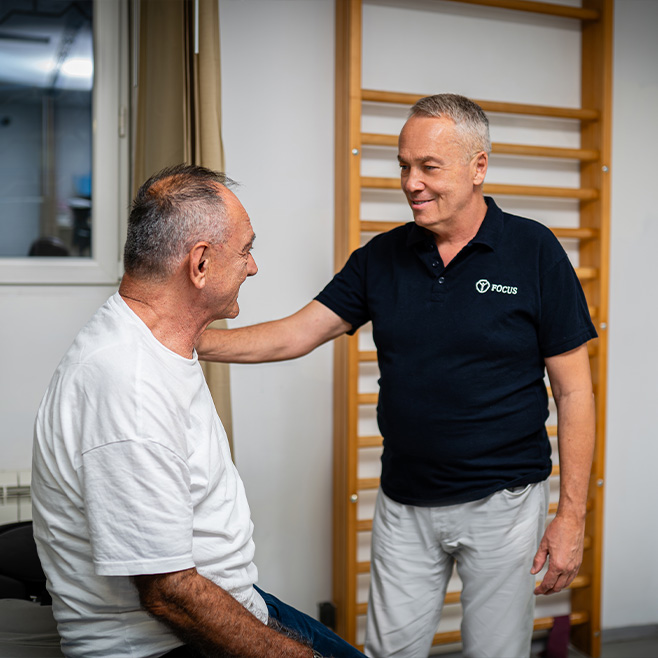
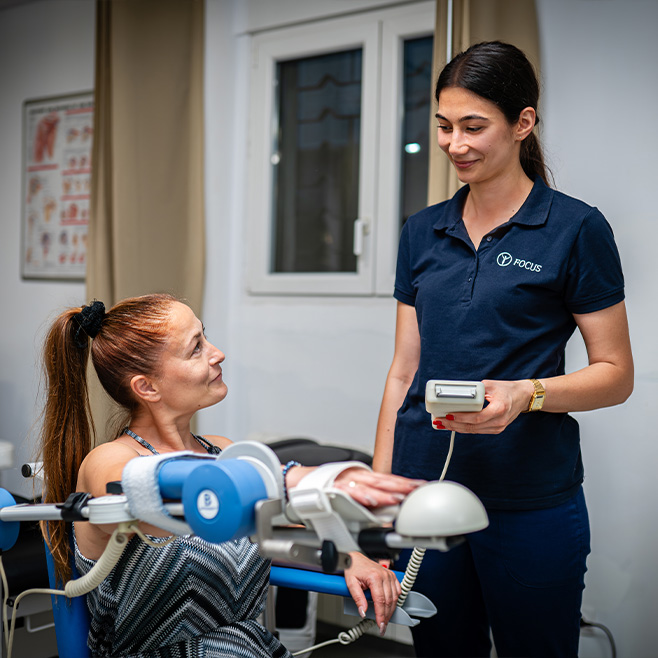
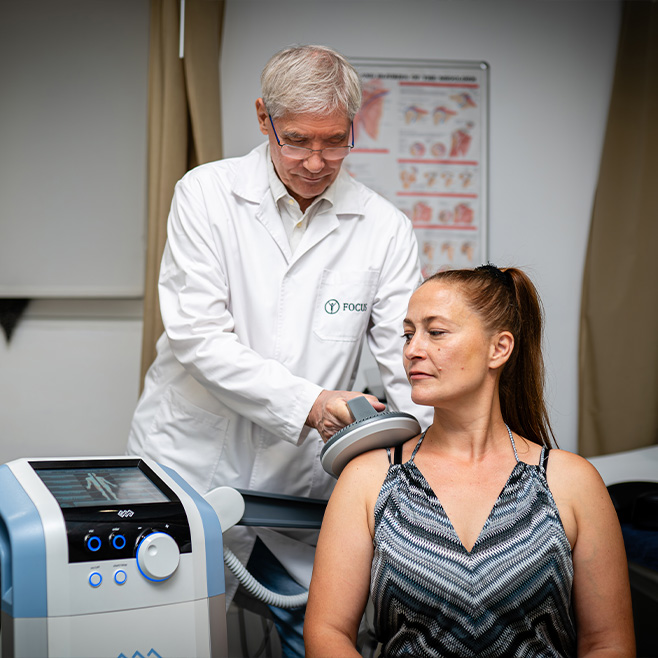
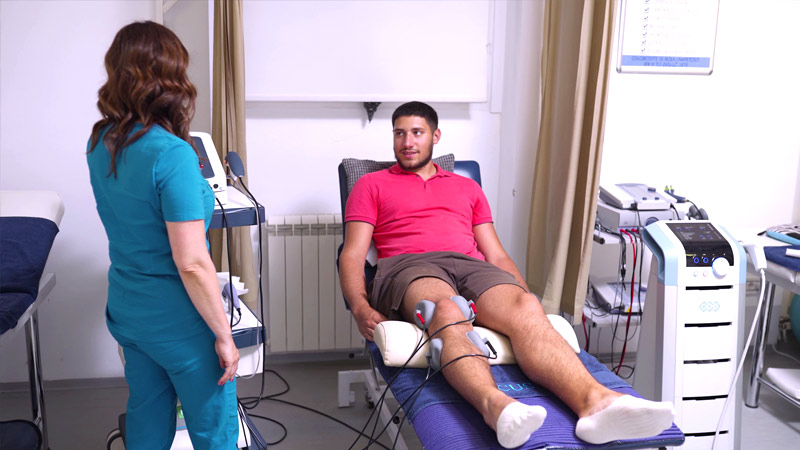

See the experiences of our satisfied patients who successfully recovered with the help of our physical therapy. Get acquainted with the testimonies of patients who faced various joint injuries, sports knee injuries, back injuries and similar problems, which we quickly, efficiently and successfully treated.
Aesthetic surgery
Focus Fizikal is a leading private clinic for physical therapy in Belgrade. For more than 10 years, we have been providing high-quality services that enable quick recovery and healing of our patients.




For all our current and future patients, we have made it possible to schedule an appointment online.



pon-pet:
08:00 - 20:00subota:
08:00 - 15:00


Mon-Fri:
08:00 - 20:00Saturday:
08:00 - 15:00