 +381 64 469 73 73
  Clavicle pain
  Symptoms
  Causes
  Treatment
  FAQ
FAQ  Prices
  Gallery
  Testimonials
  Special offer
  Why choose us?
Cash
Through a current account

Focus Physical Therapy 100% guarantees fast and effective treatment.
SUPER DISCOUNT! 20% off all therapies in June! Call us 24/7!
Do not treat yourself based on information from the Internet!


Pain in the area of the clavicle (clavicula) represents an uncomfortable condition that directly affects the mobility of the shoulder and upper chest, given that this bone serves as the only bony connection between the arm and the rest of the skeleton. The clavicle plays a vital role in protecting important blood vessels and nerves that pass from the neck to the arm, while simultaneously allowing a wide range of motion in the shoulder joint. Due to its protruding position and relatively thin structure, it is highly susceptible to mechanical injuries, as well as inflammatory processes caused by chronic overloading of the arms.
The anatomy of the clavicle involves two important joints: the sternoclavicular joint (the connection with the sternum) and the acromioclavicular joint (the connection with the scapula), which together ensure the stability of the shoulder girdle. Any disruption in these joints or surrounding ligaments manifests as pain that may radiate toward the neck or shoulder, making basic actions such as dressing or lifting the arm difficult. Understanding the function of the clavicle as a stabilizer of the chest is crucial for determining the exact source of pain in the patient. Timely physical therapy diagnosis and treatment of the soft tissues around the clavicle prevent the development of permanent shoulder stiffness and deformity of the chest region.
The symptomatology of clavicle pain varies from sharp pain that occurs immediately after a fall or blow, to dull, lingering pain that gradually intensifies throughout the day. Patients often notice that the pain increases with deep breathing, sleeping on the side, or when attempting to lift the arm above shoulder level. The clinical picture is specific, as it often includes visible changes in the skin or the contours of the bone, indicating the degree of damage to deeper structures.
The most common symptoms accompanying clavicle pain include:
All these signs are clear indicators that the bony or ligamentous system of the clavicular region is undergoing strain, requiring expert evaluation and appropriate immobilization or therapy. Proper recognition of these symptoms in the early stages is crucial for the correct healing process and preservation of arm and shoulder function.
Pain in the clavicle area is most often caused by direct physical trauma, but it can also result from degenerative joint changes, inflammatory processes, or poor shoulder girdle stability. Risk factors include falls onto an outstretched arm, contact sports, carrying heavy loads on the shoulders, and chronic overload in daily activities. While the pain appears locally, the underlying cause often lies in weak back muscles and poor thoracic posture.
The main causes of clavicle pain include:
Accurate diagnosis allows the creation of a treatment plan that ensures safe healing and restoration of shoulder girdle function. Each cause requires a specific rehabilitation approach to prevent complications such as poorly healed bones or chronic joint instability.
Can clavicle pain be related to the neck?
Pain in the clavicle area is very often linked to issues in the lower cervical spine. The nerve bundles exiting the neck pass directly behind the collarbone on their way to the arm, so any pressure or muscle spasm at the base of the neck can cause referred pain that patients feel directly in the bone or the shoulder joint.
What are the most effective therapies for treating clavicle joint pain?
At the Focus Physical Therapy center, we apply a combination of procedures targeting the reduction of mechanical pressure in the acromioclavicular joint. The best results are achieved with tecar therapy, which deeply relaxes the surrounding muscles, and high-power laser therapy, which accelerates the healing of damaged ligaments. These methods allow the inflammatory process to subside much faster than with rest alone.
Is it safe to exercise if there is pain in the clavicle?
In the acute phase, when pain is present with every arm lift, it is advised to avoid pressing exercises and heavy overhead loads. However, physical therapy includes specific scapular stabilization exercises that offload the clavicle. Such controlled exercises are necessary to prevent muscle atrophy while the joint recovery process is ongoing.
How many treatments are needed to calm clavicle inflammation?
The timeframe depends on whether the pain occurred suddenly due to an injury or developed gradually due to poor posture. For minor ligament irritations, patients feel significant relief after three to five treatments, while full stabilization of the shoulder girdle and restoration of full strength usually requires a cycle of ten working days.
Why does clavicle pain intensify during the night?
During sleep, especially when lying on the side, body weight exerts direct compression on the clavicle joints, which reduces circulation and increases irritation of already inflamed tissues. A physical therapist at the Focus Physical Therapy center will educate you on protective positions and apply manual techniques that increase joint space, directly reducing nighttime discomfort.
Cash
Through a current account
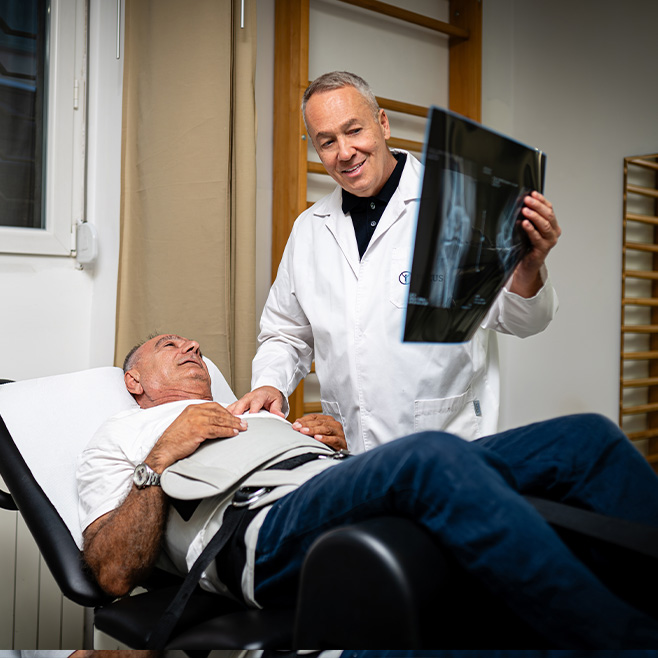
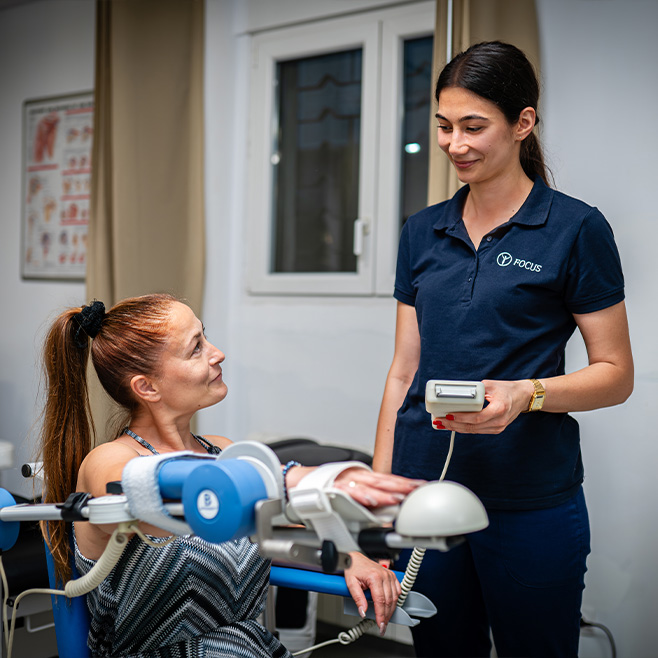
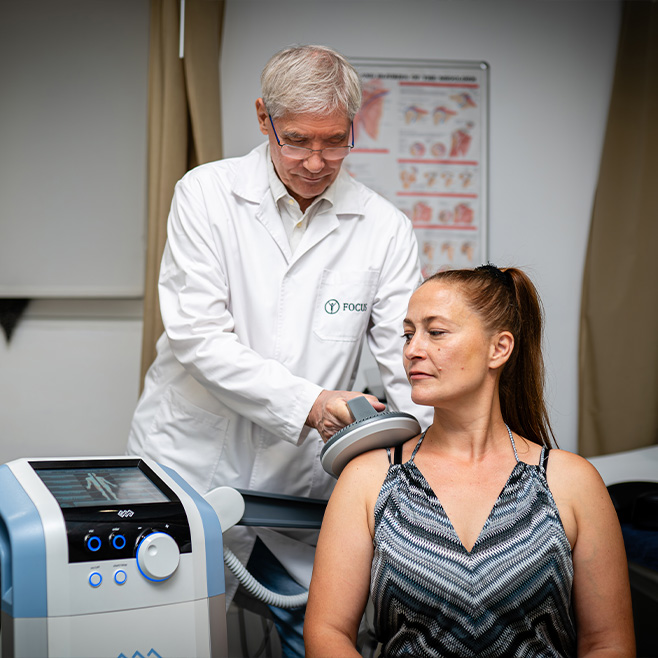
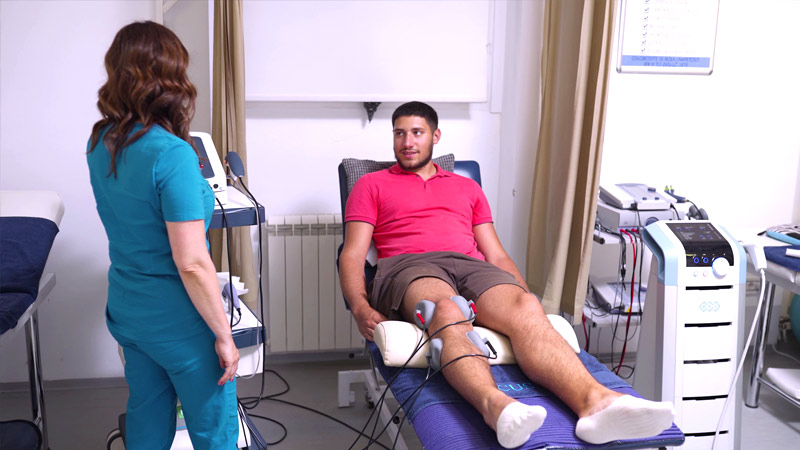

See the experiences of our satisfied patients who successfully recovered with the help of our physical therapy. Get acquainted with the testimonies of patients who faced various joint injuries, sports knee injuries, back injuries and similar problems, which we quickly, efficiently and successfully treated.
Aesthetic surgery
Focus Fizikal is a leading private clinic for physical therapy in Belgrade. For more than 10 years, we have been providing high-quality services that enable quick recovery and healing of our patients.




For all our current and future patients, we have made it possible to schedule an appointment online.



pon-pet:
08:00 - 20:00subota:
08:00 - 15:00


Mon-Fri:
08:00 - 20:00Saturday:
08:00 - 15:00