 +381 64 469 73 73
  Pain in the Gluteus
  Symptoms
  Causes
  Treatment
  FAQ
FAQ  Prices
  Gallery
  Testimonials
  Special offer
  Why choose us?
Cash
Through a current account

Focus Physical Therapy 100% guarantees fast and effective treatment.
SUPER DISCOUNT! 20% off all therapies in June! Call us 24/7!
Do not treat yourself based on information from the Internet!


From a biomechanical perspective, the gluteal muscles and pelvic structures form the base of the trunk and are the primary drivers of movement during walking, squatting, and running. The gluteus maximus is responsible for hip extension, while the gluteus medius and minimus play a key role in preventing lateral pelvic tilt during single-leg stance. Deep beneath these muscles runs the sciatic nerve (n. ischiadicus), the largest nerve in the human body, which shares space with the small pear-shaped muscle—the piriformis. When the gluteal musculature weakens due to “sedentary amnesia” (a condition in which muscles “forget” to activate because of prolonged sitting), surrounding structures become overloaded, leading to chronic spasm and inflammation.
At the Focus Physical Therapy Center, we approach gluteal pain with exceptional diagnostic caution, as we are aware that patients describe this symptom in various ways. Some report a deep, dull, and constant pain in the center of the buttock that worsens after as little as 15 minutes of sitting on a hard chair or while driving. Others complain of sharp, pulsating pain on the outer side of the hip and gluteal region that radiates down the lateral thigh, while some experience “shooting” pain and tingling that starts in the buttock and travels all the way down to the foot. Our primary goal is to use specific orthopedic and neurological tests to accurately determine whether the pain originates from the gluteal region itself, the hip, the sacroiliac joint, or is referred from the lower back due to a herniated disc.
Ignoring gluteal pain and enduring it over time inevitably disrupts the biomechanics of the entire kinetic chain. The body automatically begins to offload the painful side, shifting weight to the opposite hip and knee, which quickly leads to secondary joint injuries and spinal imbalance in the lumbar region. Timely consultation at the Focus Physical Therapy Center allows us, through advanced physical therapy modalities, to quickly reduce inflammation, eliminate painful spasm, and through targeted exercises permanently stabilize the pelvis and hips.
Gluteal pain symptoms range from localized deep muscle tension to sharp sensations that worsen with certain movements. Patients often report the greatest difficulty sitting for extended periods on a hard surface or experiencing discomfort when climbing stairs or walking uphill. The clinical picture is specific because the pain can be strictly localized but often radiates toward the groin or the hamstrings.
The most common symptoms accompanying gluteal pain include:
Gluteal pain may indicate various musculoskeletal problems, ranging from muscle overload and inflammation to nerve irritation. It is therefore important to accurately recognize these symptoms in order to apply the appropriate therapy.
The causes of pain in the gluteal region is most commonly associated with functional disorders of the soft tissues and postural imbalances. Factors such as prolonged sitting, sudden sports movements, or improper posture during walking directly contribute to the onset of muscle spasms. Although the pain is primarily felt in the buttock, the underlying cause is often linked to improper pelvic alignment or degenerative changes in the lumbar spine.
The main causes of gluteal pain include:
Recognizing the underlying cause of gluteal pain is crucial for determining the appropriate treatment and preventing recurrence.
At Focus Physical Therapy, our approach to treating pain in the pelvic region is strictly individualized and focused on permanently eliminating the causes – from irritation of the sciatic nerve to deep spasms in the hip rotators. We use the most advanced medical technology that deeply relaxes tissues and relieves nerve compression, restoring stability to your pelvis and full freedom of movement without pain.
The process includes:
The comprehensive application of these advanced methods guarantees maximum therapeutic effectiveness, even for the most persistent chronic conditions. With the personalized approach at Focus Physical Therapy, you will regain normal flexibility and be able to return to all activities with strengthened muscles and permanently improved mobility.
How can I tell if the gluteal pain is muscular or coming from my spine?
During the initial exam at our center, the physical therapist performs a series of tests to identify the source of the pain. If the pain is localized to the touch of the muscle, it is likely a spasm or tissue injury. However, if the pain radiates down the leg and is accompanied by numbness, it often indicates an issue in the lumbar spine pressing on a nerve.
Does pain in the buttocks always mean I have a herniated disc?
Is it allowed to exercise while experiencing gluteal pain?
In the acute phase of severe pain, we recommend avoiding intense activities; however, complete rest can often be counterproductive. Our therapists create a plan of measured movement and specific stretching exercises that reduce tension without further irritating the painful region.
Which procedures are most effective for removing "knots" (trigger points) in the gluteus?
The best results are achieved through a combination of a high-intensity HILT laser, which targets the inflammatory process deep within the tissue, and manual trigger point therapy. These procedures directly "break down" painful knots and restore the muscle's natural elasticity and strength.
How soon can I return to sports activities after therapy?
Most patients feel relief after the first two to three sessions. Returning to sports depends on the severity of the injury, but with a proper protocol for strengthening gluteal muscles and stabilizing the pelvis, a return to full intensity is safe and stable, usually after 5 to 10 completed sessions.
Cash
Through a current account
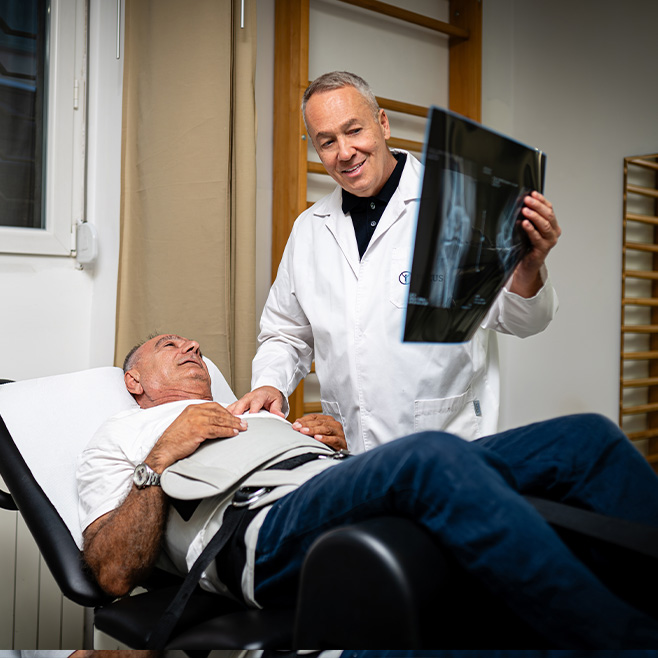
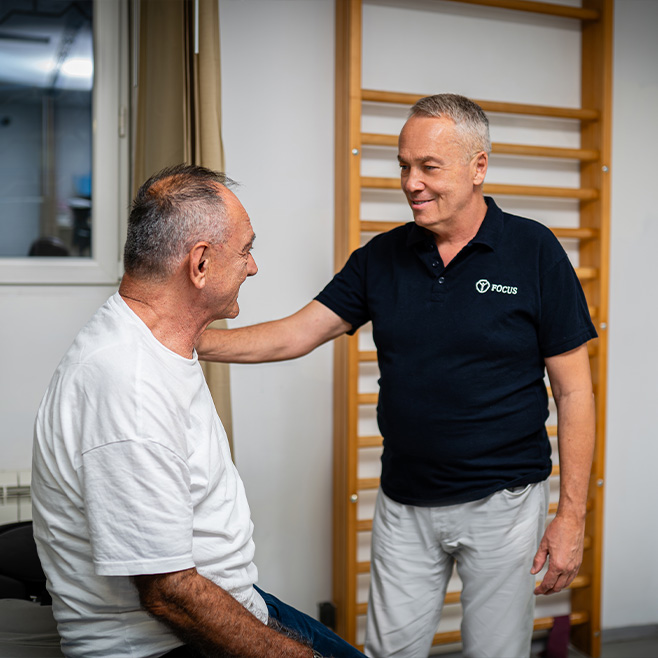
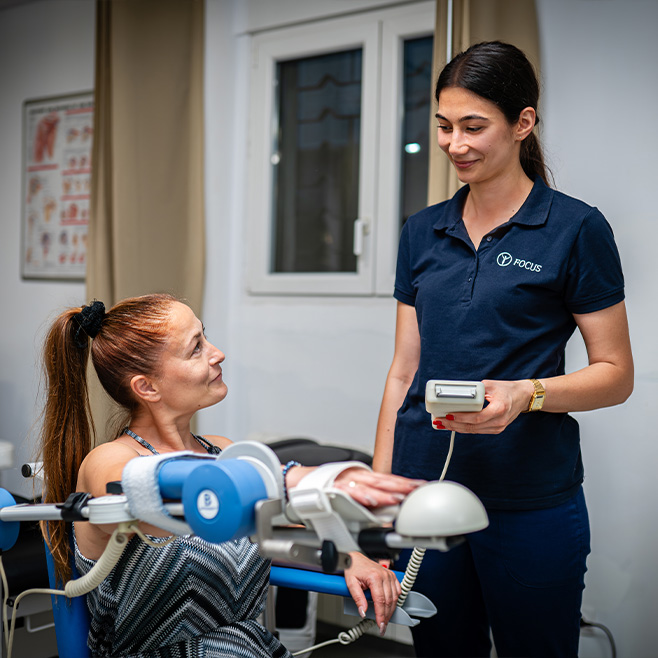
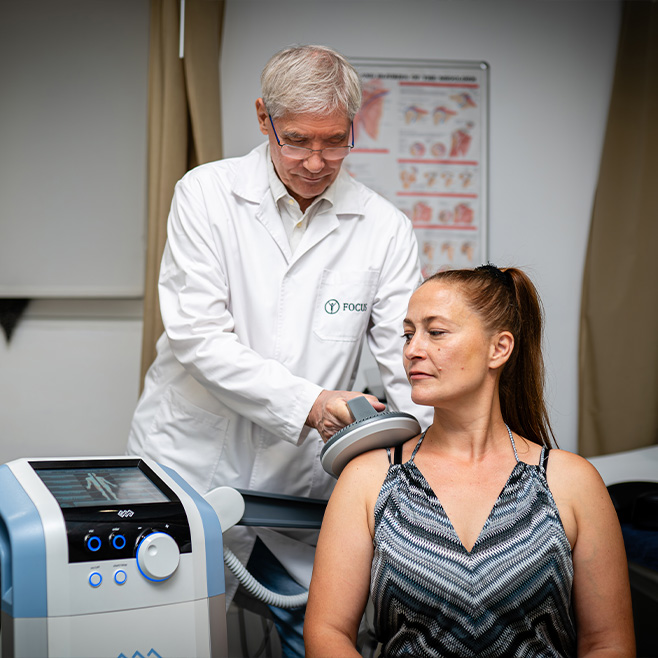
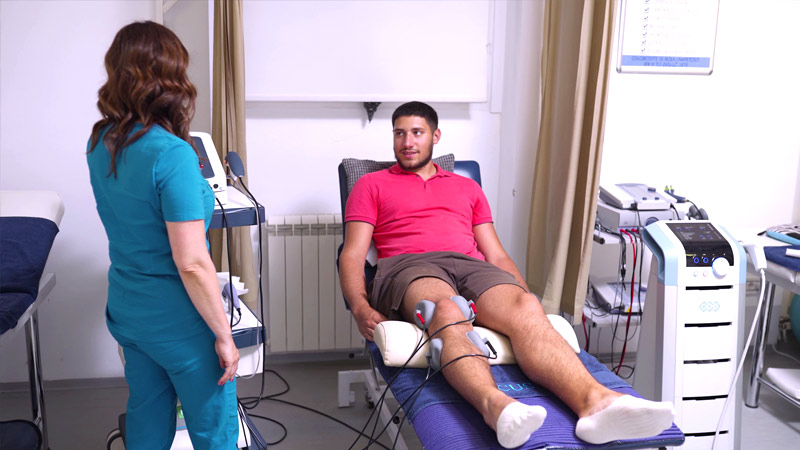

See the experiences of our satisfied patients who successfully recovered with the help of our physical therapy. Get acquainted with the testimonies of patients who faced various joint injuries, sports knee injuries, back injuries and similar problems, which we quickly, efficiently and successfully treated.
Aesthetic surgery
Focus Fizikal is a leading private clinic for physical therapy in Belgrade. For more than 10 years, we have been providing high-quality services that enable quick recovery and healing of our patients.




For all our current and future patients, we have made it possible to schedule an appointment online.



pon-pet:
08:00 - 20:00subota:
08:00 - 15:00


Mon-Fri:
08:00 - 20:00Saturday:
08:00 - 15:00