 +381 64 469 73 73
  Heel pain
  Symptoms
  Causes
  Treatment
  FAQ
FAQ  Prices
  Testimonials
  Special offer
  Why choose us?
Cash
Through a current account

Focus Physical Therapy 100% guarantees fast and effective treatment.
SUPER DISCOUNT! 20% off all therapies in May! Call us 24/7!
Do not treat yourself based on information from the Internet!


Heel pain is most often described as a deep, stabbing sensation that is most intense at the point where the soft tissues attach to the heel bone. This pain is not constant in intensity; it fluctuates depending on movement, pressure, and periods of rest. At the core of the problem, the pain reflects a neuro-muscular response to tissue damage: pain receptors in the periosteum of the calcaneus become hypersensitive, so even ordinary contact with the ground can trigger a sensation similar to being pierced by a sharp object.
When pain is caused by a developed heel spur, patients feel mechanical irritation—as if a foreign body is embedded in the soft tissue of the heel, pressing on surrounding nerves and the fascia with each step. This type of pain tends to radiate: it starts at the center of the heel but, due to muscle spasms in the foot, can extend along the entire arch, causing a burning and pulsating sensation, especially after prolonged standing.
Over time, heel pain alters the mechanics of movement. Patients subconsciously attempt to protect the heel by shifting weight onto the forefoot or the outer edge of the foot, creating new pressure points and secondary pain. Chronic tissue fatigue eventually causes the heel to become tender even to touch, and the surrounding tissue may harden and thicken as a response to constant irritation.
The clinical presentation of heel pain is highly recognizable and often provides clear signs for the physiotherapist, allowing rapid identification of the stage of inflammation. Early recognition of these symptoms is crucial for preventing the condition from progressing into a chronic phase, which can permanently affect not only the posture and function of the foot but also higher segments such as the knees and hips.
Most Common Symptoms Include:
At Focus Physical Therapy, recognizing these signs in the early stage allows for targeted therapy. Early intervention prevents secondary problems in the back and joints, as chronic heel pain subconsciously alters the way a person walks, affecting the overall posture of the body.
Heel pain is a common problem that can significantly interfere with daily activities. Its development is multifactorial and is most often associated with lifestyle, type of work, and the anatomical characteristics of the foot itself. Understanding the underlying cause is crucial so that therapy targets the source of the problem rather than merely masking the symptoms.
Main Causes of Heel Pain:
At Focus Physical Therapy, we perform a detailed analysis of the patient’s daily habits. Only by identifying and eliminating these primary causes, combined with appropriate therapy, can long-lasting relief be achieved.
At Focus Physical Therapy, the treatment of heel pain is based on the most advanced protocols in physical medicine. Our goal is to regenerate damaged tissue and “break down” pathological calcifications that cause irritation. Our approach is personalized—the intensity and type of therapy depend on whether the pain is acute or has persisted for months.
The Rehabilitation Process Includes:
The combination of these procedures at Focus Physical Therapy ensures that patients can walk pain-free again. While Shockwave and Tecar therapies work directly on the tissue structure, exercises and footwear advice ensure that the problem does not recur.
What are the most common causes of heel pain?
The most common causes include plantar fasciitis, overuse from walking or running, tendon injuries, improper footwear, as well as arthritis or bone spurs.
When does heel pain require urgent medical evaluation?
If the pain is severe, lasts for several weeks, is accompanied by swelling, redness, warmth, or inability to bear weight, urgent medical evaluation is needed to rule out serious injuries or infections.
What exercises help with heel pain?
Stretching the plantar fascia and calf muscles, strengthening exercises for the foot and ankle, circular foot movements, and towel or ball exercises can help reduce pain and improve flexibility.
Is it better to apply heat or cold for heel pain?
Cold packs are used for acute pain or inflammation, while heat packs help with chronic pain or stiffness in the foot by relaxing muscles and improving circulation.
How can heel pain be prevented from recurring?
Prevention includes wearing proper supportive footwear, regular stretching and strengthening of the feet and calves, avoiding prolonged standing on hard surfaces, controlling body weight, and gradually increasing physical activity.
Cash
Through a current account
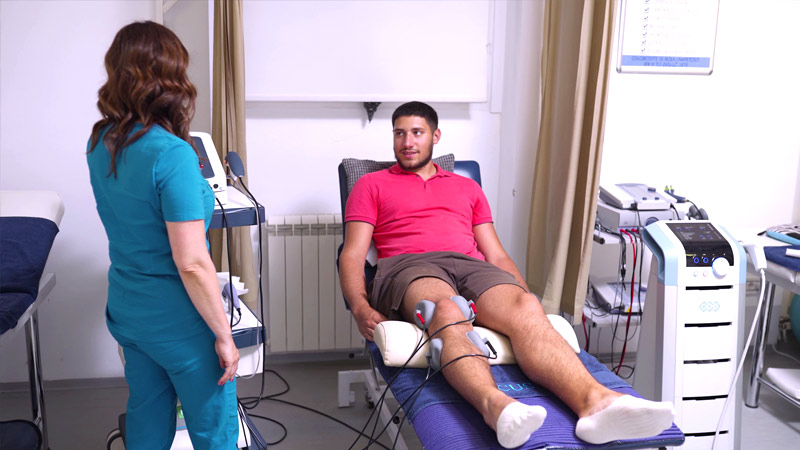

See the experiences of our satisfied patients who successfully recovered with the help of our physical therapy. Get acquainted with the testimonies of patients who faced various joint injuries, sports knee injuries, back injuries and similar problems, which we quickly, efficiently and successfully treated.
Aesthetic surgery
Focus Fizikal is a leading private clinic for physical therapy in Belgrade. For more than 10 years, we have been providing high-quality services that enable quick recovery and healing of our patients.




For all our current and future patients, we have made it possible to schedule an appointment online.



pon-pet:
08:00 - 20:00subota:
08:00 - 15:00


Mon-Fri:
08:00 - 20:00Saturday:
08:00 - 15:00