 +381 64 469 73 73
  Heel pain when walking
  Symptoms
  Causes
  Treatment
  FAQ
FAQ  Prices
  Gallery
  Testimonials
  Special offer
  Why choose us?
Cash
Through a current account
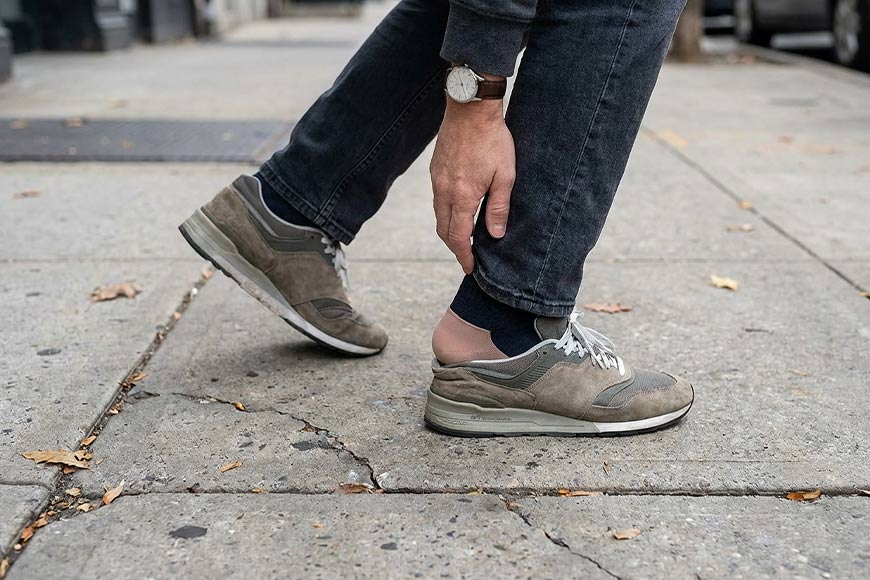
Focus Physical Therapy 100% guarantees fast and effective treatment.
SUPER DISCOUNT! 20% off all therapies in May! Call us 24/7!
Do not treat yourself based on information from the Internet!


The heel (calcaneus) serves as the foundation of our movement and a key weight-bearing point. Pain in this area most commonly arises from chronic overload of the plantar fascia—a strong band of tissue connecting the heel to the toes and supporting the foot’s arch. When internal stress exceeds its tolerance, microtears and inflammation develop, causing the patient to experience sharp, disabling pain with each step.
At the Fizikalna Terapija Focus center, we approach heel pain as a complex biomechanical disorder. Often, the pain is only a symptom of deeper issues, such as collapsed arches, improper footwear, or a tight Achilles tendon. Our primary goal is to determine—through precise diagnostics—whether the problem is soft tissue inflammation or has progressed to a bony growth, commonly known as a “heel spur,” in order to apply the most effective treatment protocol.
Effective management of heel pain requires patience and expertise. Through individualized programs at Fizikalna Terapija Focus, we focus not only on eliminating pain but also on long-term gait correction, preventing recurrence, and enabling patients to return to an active lifestyle without limitations.
The clinical presentation of heel pain is usually very distinctive and often provides clear signs to a physician or physiotherapist, allowing rapid identification of the stage of inflammation and selection of the most appropriate treatment. Early recognition of symptoms is crucial for preventing chronic pain and complications that can affect posture and the overall function of the foot and leg.
The most common symptoms include:
At Fizikalna Terapija Focus, early recognition of these signs allows the application of targeted therapy, including stretching, strengthening of the foot and calf muscles, manual therapy, and physical modalities such as ultrasound, TENS, and laser therapy. Early intervention reduces the risk of chronic pain, improves mobility, and prevents secondary problems in the knees, hips, and spine, as chronic heel pain often alters gait patterns and body posture.
Timely identification of symptoms and proper physiotherapy can significantly improve a patient’s quality of life, allowing normal walking and an active lifestyle free from pain.
At Focus Physical Therapy, heel pain treatment is based on the most advanced methods in physical medicine, aiming to regenerate damaged tissues, reduce pain, and “break down” pathological changes caused by chronic stress, inflammation, or bony growths. Each treatment is tailored to the individual needs of the patient, as only a personalized approach can provide long-term relief.
The rehabilitation process includes the following key steps:
The combination of these procedures provides not only immediate pain relief but also long-term resolution of the problem. While shockwave and Tecar therapy focus on tissue regeneration, kinesiotherapy and kinesio taping provide functional support and strengthen the foot, and HILT laser therapy reduces inflammation and speeds up recovery.
This multidisciplinary approach at Focus Physical Therapy ensures that patients can walk pain-free and without fear of each step, restoring quality of daily life.
Why does the heel hurt the most in the morning when taking the first steps?
During the night, the plantar fascia shortens. The first steps in the morning stretch it suddenly, causing sharp pain where microcracks have formed during the night.
Is surgery necessary to remove a heel spur?
In 95% of cases, surgery is not necessary. Modern physical therapy, especially Shockwave and Tecar in the Focus Physical Therapy Center, successfully solves the problem without a surgical incision.
How long does heel pain treatment take?
Significant relief is felt already after 3 to 5 treatments. Full recovery usually takes 2 to 4 weeks, depending on how long the symptoms were present before starting therapy.
Can silicone pads help
Insoles can provide temporary relief and cushioning, but they do not cure inflammation. They are a supplement to therapy, not a substitute for physical procedures that repair the root of the problem.
Does walking on flat surfaces (e.g. barefoot at home) make the condition worse?
That. Walking without any support on a hard surface further stretches the inflamed fascia. During the treatment process in our center, we recommend wearing shoes with anatomical insoles even indoors.
Cash
Through a current account
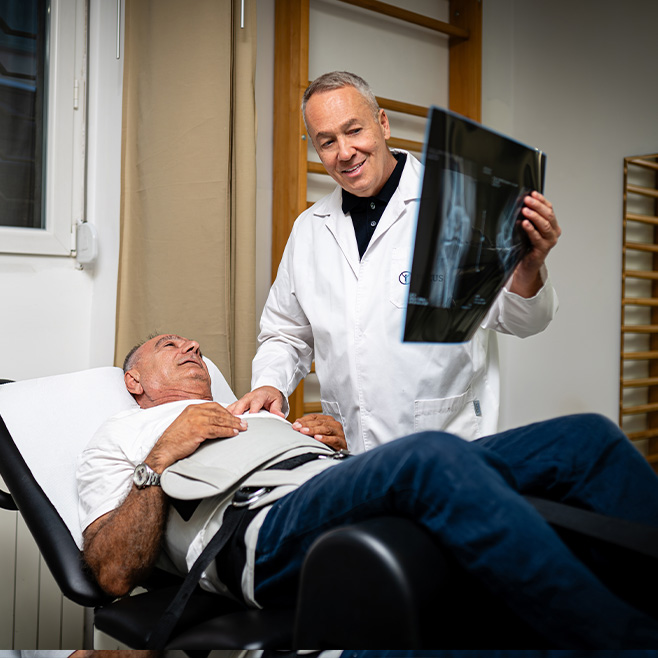
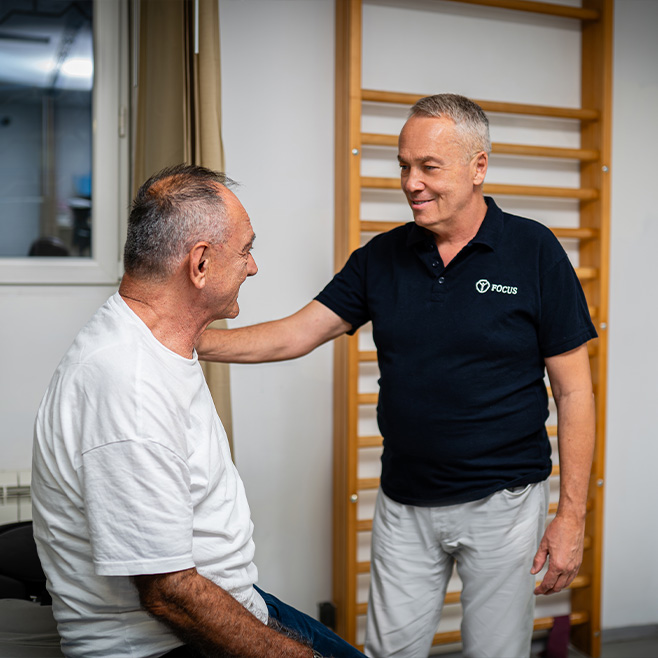
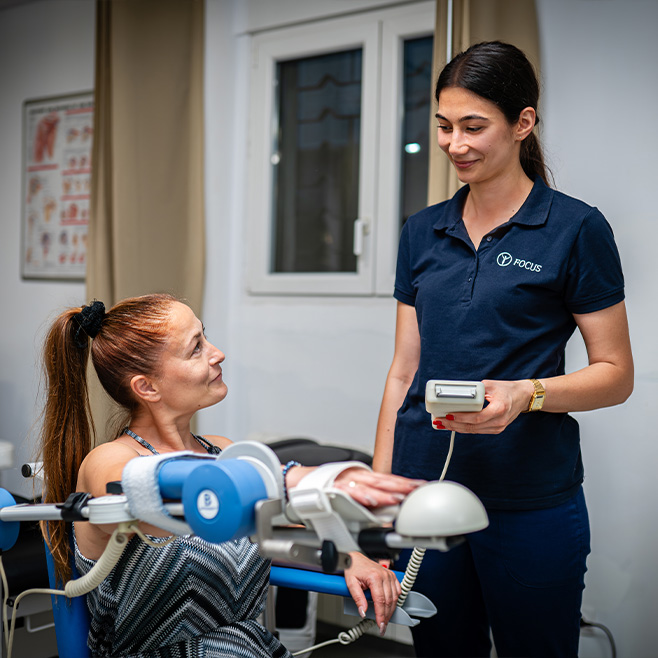
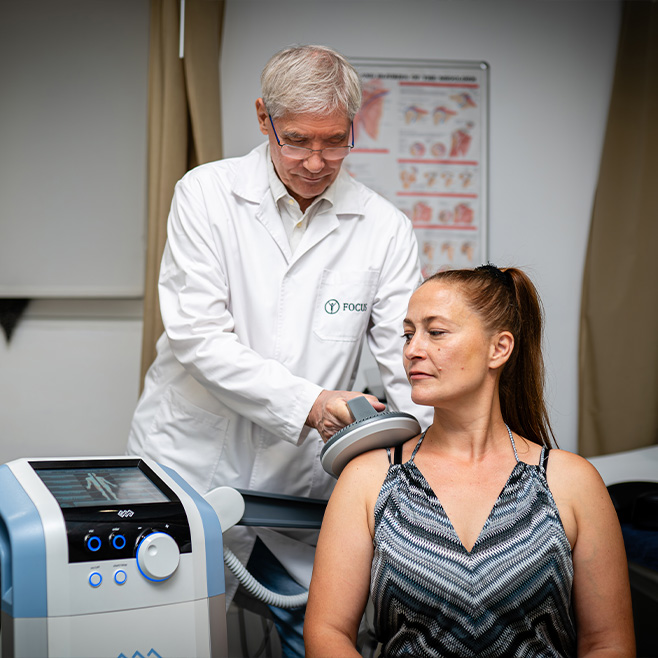
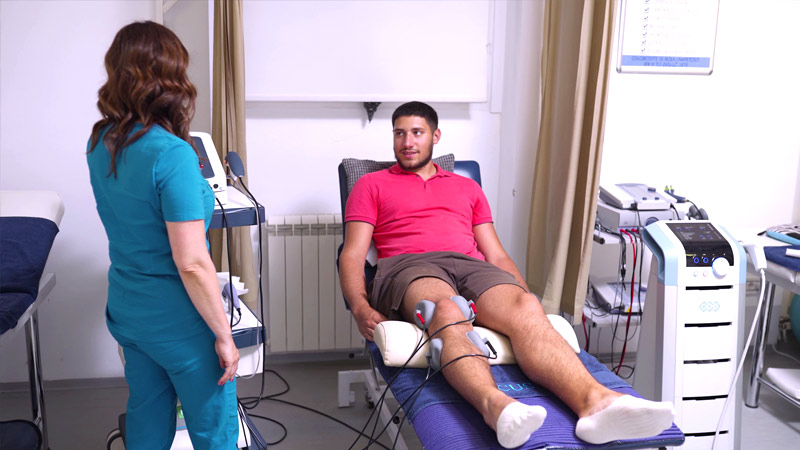

See the experiences of our satisfied patients who successfully recovered with the help of our physical therapy. Get acquainted with the testimonies of patients who faced various joint injuries, sports knee injuries, back injuries and similar problems, which we quickly, efficiently and successfully treated.
Aesthetic surgery
Focus Fizikal is a leading private clinic for physical therapy in Belgrade. For more than 10 years, we have been providing high-quality services that enable quick recovery and healing of our patients.



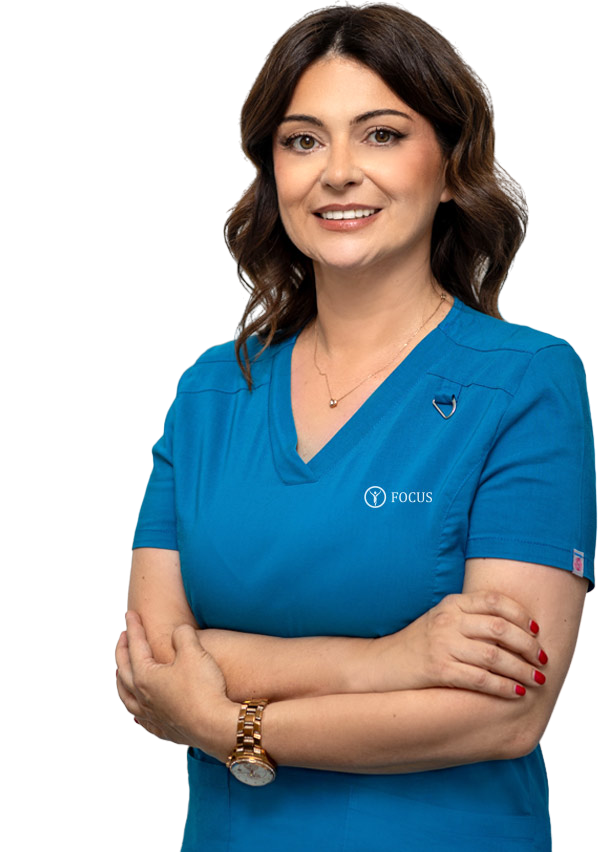
For all our current and future patients, we have made it possible to schedule an appointment online.



pon-pet:
08:00 - 20:00subota:
08:00 - 15:00


Mon-Fri:
08:00 - 20:00Saturday:
08:00 - 15:00