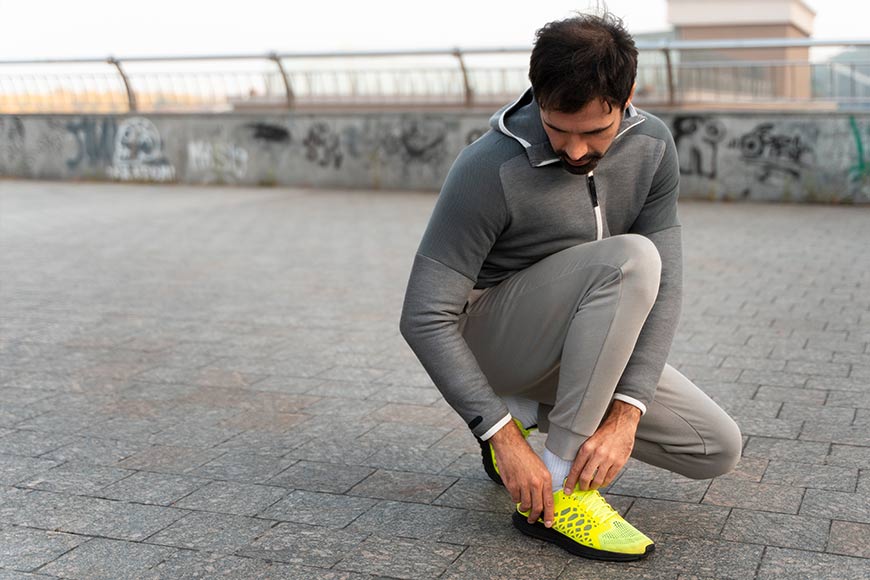
Heel pain while walking
Focus Physical Therapy 100% guarantees fast and effective treatment.
SUPER DISCOUNT! 20% off all therapies in June! Call us 24/7!
Do not treat yourself based on information from the Internet!
 +381 64 469 73 73
 -

- Treatment
- Heel pain while walking

 Heel pain while walking
  Symptoms
  Causes
  Treatment
  FAQ
FAQ  Testimonials
  Special offer
  Why choose us?
 Heel pain while walking
Heel pain while walking is one of the most common reasons patients visit a physiotherapist and is often linked to chronic overloading of the structures that bear the body's total weight. This symptom is typically described as sharp, stabbing pain in the bottom of the heel bone, which can be so intense that it prevents a normal stride. The pain results from inflammatory processes in the soft tissues or mechanical changes in the bone itself, requiring a systematic approach to diagnosis and recovery to prevent chronic damage.
The anatomy of the foot is extremely complex, and the heel acts as the primary shock absorber with each step. A key player in this process is the plantar fascia—a strong band of connective tissue that extends from the heel to the toes, helping to maintain the arch of the foot. When walking biomechanics are incorrect or when footwear is inadequate, microtraumas occur where the fascia attaches to the heel bone. Prompt attention to the first signs of discomfort helps prevent the development of degenerative changes that could permanently impair mobility.
Symptoms
The clinical presentation of heel pain is quite specific and is most often associated with periods of rest and activity. Patients typically report that the pain is most intense during specific moments, while moderate movement may temporarily reduce it, which often deceives the person into thinking the problem has gone away.
The main symptoms accompanying heel pain include:
- Sharp, intense pain with the first steps in the morning: A characteristic stabbing sensation in the heel that eases only after a few minutes of walking.
- Localized tenderness to pressure: Strong, painful reaction when pressing on the inner side of the lower heel.
- Pain that increases after periods of rest: Intense pain when standing up from a chair after prolonged sitting during the day.
- Tightness and burning sensation in the arch of the foot: Discomfort spreading from the heel along the sole toward the toes.
- Inability to bear normal weight on the heel: Patients often walk on their toes or the outer edge of the foot to avoid pain.
These signs clearly indicate that the tissues of the heel can no longer compensate for the pressure. Ignoring these symptoms can lead to constant pain that spreads toward the toes or along the Achilles tendon.
Causes
- Arthritis
- Achilles tendon
- Heel bursitis
- Heel spurs
Heel pain arises from a combination of biomechanical irregularities, lifestyle factors, and inflammatory conditions. Although the pain is felt in the foot, its origin is often related to shortened calf muscles or improper weight distribution during walking.
The most common causes of heel pain are:
- Plantar fasciitis: The most frequent cause of painful heels, caused by micro-injuries due to excessive stretching of the plantar fascia.
- Heel spur (Calcaneal spur): A chronic stage in which a bony calcification forms at the site of persistent inflammation, mechanically irritating the surrounding tissue during walking.
- Flat or excessively high arches: Anatomical deformities (flat feet or high arches) that disrupt normal weight distribution and overload the heel.
- Tight calf muscles and Achilles tendon: Reduced flexibility in the posterior chain pulls the heel bone upward, greatly increasing tension in the plantar fascia.
- Inappropriate footwear: Flat shoes without cushioning (ballet flats, flip-flops, worn-out sneakers) or overly stiff work shoes without anatomical support.
- Occupational strain and obesity: Prolonged standing at work (chefs, hairdressers, waiters, factory workers) and excess body weight that continuously stress the heels.
Accurately identifying the cause is crucial, as treatment for a heel spur differs from therapy for pure soft tissue inflammation. Every step in the diagnostic process leads to more effective pain relief.
Treatment
At Focus Physical Therapy, our approach to treating heel pain is strictly individualized and aimed at the permanent elimination of the root cause – from calcification (heel spur) to chronic inflammation of the plantar fascia. We use the most advanced medical technology that breaks down calcifications and stimulates deep tissue regeneration, restoring the ease, stability, and complete pain-free movement to your step from the first morning step.
The process includes:
- Physiatric Examination and Postural Assessment: Detailed functional diagnosis of the foot and precise identification of the primary irritation site before starting therapy. We identify biomechanical causes of heel overload to create the fastest plan for a safe return to movement.
- Shockwave Therapy (Acoustic Waves): The most powerful and scientifically proven method for permanently eliminating heel spurs. High-energy acoustic waves precisely break down calcifications, initiate the natural tissue regeneration process, and dramatically accelerate metabolism in the heel region.
- HILT Laser (High-Intensity Laser Therapy): Strong biostimulation that penetrates deep into the inflamed attachment of the fascia. HILT laser immediately reduces pain and inflammation at the cellular level, providing fast analgesia and enabling pain-free walking after just a few treatments.
- Tecar Therapy: Radiofrequency therapy that accelerates the drainage of inflammatory metabolic products through internal heat. Tecar deeply relaxes the muscles of the sole and improves the elasticity of the fascia, preparing the foot for daily activity.
- Vacuum Therapy: An intensive drainage method that mechanically removes deep edema (swelling) around the heel bone. The vacuum releases tight tissues and dramatically improves local circulation, accelerating the healing process.
- Kinesiotherapy and Arch Strengthening: An individually guided program of specific stretching exercises for the plantar fascia and strengthening the muscles that support the foot arch. These exercises permanently correct the biomechanics of walking and prevent the recurrence of pain.
- Custom Orthopedic Insoles and Education: Recommendations and production of insoles that decompress the heel and properly distribute pressure. Along with advice on footwear, Focus Physical Therapy helps restore your foot to a stable, completely pain-free foundation for movement.
The comprehensive application of these advanced methods guarantees maximum therapeutic effectiveness even in patients with long-term, chronic pain. With the personalized approach at Focus Physical Therapy, you will regain full functionality without the fear of each new step.
FAQ
What causes heel pain while walking?
Heel pain while walking can be caused by various factors, including plantar fasciitis, heel spurs, Achilles tendinopathy, or flat feet. The most common cause is inflammation of the plantar fascia due to overuse or improper movement patterns.
What are the symptoms of heel pain?
The most common symptoms include sharp, stabbing pain with the first step in the morning, pain in the center of the heel after prolonged standing or sitting, and pain when walking on hard surfaces. The pain may be accompanied by tightness in the calves or increased sensitivity to pressure on the bottom of the heel.
When should I see a doctor for heel pain?
If the pain becomes chronic, worsens, or is accompanied by significant swelling, bruising, or difficulty walking, it's important to see a doctor. Also, if the pain doesn't improve after several weeks of self-care, a doctor's visit is recommended for an accurate diagnosis.
How is heel pain treated?
Treatment includes rest, applying ice to reduce inflammation, wearing appropriate footwear, and therapies like shockwave therapy or laser therapy. In some cases, orthotic insoles and physical therapy with stretching and strengthening exercises may be effective. In more severe cases, corticosteroid injections or even surgery may be required.
How can I prevent heel pain while walking?
Prevention involves wearing shoes with proper support and cushioning, regularly stretching the plantar fascia and Achilles tendon, avoiding excessive strain on the feet (especially on hard surfaces), and maintaining a healthy body weight. In cases of flat feet, using orthopedic insoles can help distribute weight properly while walking.
Testimonials
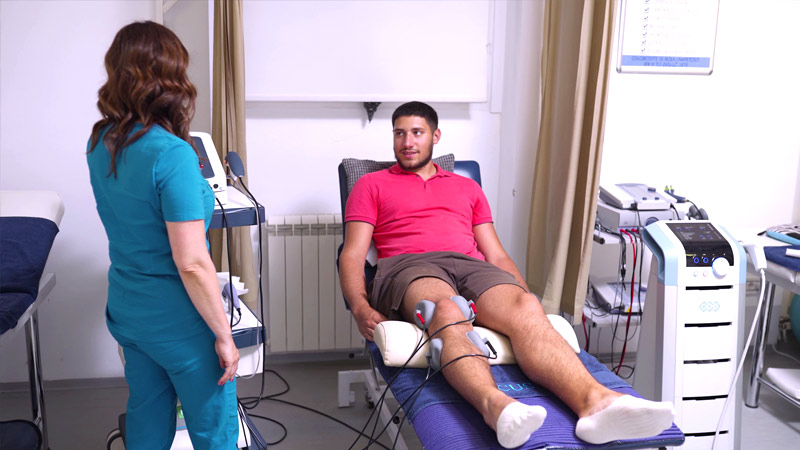

Successful treatment of patients
See the experiences of our satisfied patients who successfully recovered with the help of our physical therapy. Get acquainted with the testimonies of patients who faced various joint injuries, sports knee injuries, back injuries and similar problems, which we quickly, efficiently and successfully treated.
Special offer
Aesthetic surgery
Why choose us?
Focus Fizikal is a leading private clinic for physical therapy in Belgrade. For more than 10 years, we have been providing high-quality services that enable quick recovery and healing of our patients.




Book online
For all our current and future patients, we have made it possible to schedule an appointment online.

Contact




pon-pet:
08:00 - 20:00subota:
08:00 - 15:00Links
Partners
Partners
Pratite nas



Contact
Mon-Fri:
08:00 - 20:00Saturday:
08:00 - 15:00