 +381 64 469 73 73
  Hip and back pain
  Symptoms
  Causes
  Treatment
  FAQ
FAQ  Prices
  Gallery
  Testimonials
  Special offer
  Why choose us?
Cash
Through a current account
Focus Physical Therapy 100% guarantees fast and effective treatment.
SUPER DISCOUNT! 20% off all therapies in June! Call us 24/7!
Do not treat yourself based on information from the Internet!


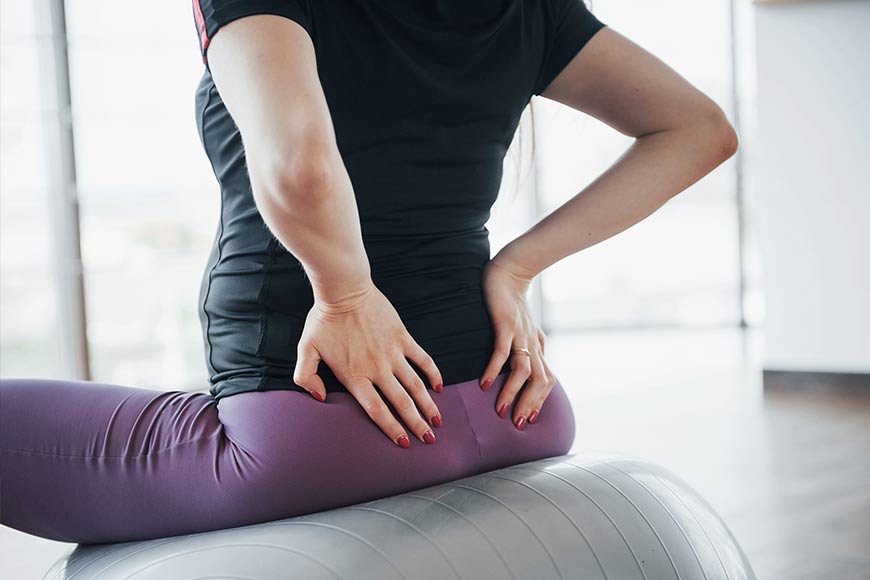
Pain in the hip and lower back is a common diagnostic challenge because these two regions are anatomically and functionally inseparable. The lumbar spine and hips form a single kinetic chain, meaning that a disorder in one joint inevitably affects the other through changes in walking mechanics and posture. When hip mobility is restricted, the lower back compensates by taking on a greater load, which leads to premature disc wear and pain development.
The anatomy of this region includes complex connections between the pelvic bone, femur, and lower vertebrae, linked by strong muscles such as the psoas and gluteal muscles. Pain occurs either due to nerve compression in the lumbar spine that affects the hip region or due to degenerative changes in the hip joint that trigger protective muscle spasm in the lower back. In individuals with a sedentary lifestyle or those engaged in unilateral physical activities, shortening of the hip flexor muscles is common, which pulls the pelvis forward and increases stress on the lower back. Understanding whether the pain originates primarily from the spine or the hip joint is crucial for successful rehabilitation. Timely physiotherapeutic assessment enables differentiation of the cause and prevents further degeneration of joint structures.
The clinical presentation of combined lower back and hip pain can be highly variable, and symptoms often change depending on body position, time of day, or level of physical activity. Patients most commonly report a deep, dull pain that is occasionally interrupted by sharp, radiating episodes.
The most common symptoms include:
Timely recognition of these symptoms at Physical Therapy Focus allows us to respond immediately and prevent the spread of the inflammatory process toward the knees and feet.
The etiology of simultaneous lower back and hip pain most commonly lies in a combination of modern lifestyle factors, lack of physical activity, and the natural degenerative processes associated with aging.
The main causes include:
At Physical Therapy Focus, we pay special attention to identifying the true underlying cause, as treating symptoms alone without addressing the root problem provides only short-term relief.
Treatment of hip and back pain at the "Fizikalna terapija Focus" center is based on an integrated approach that simultaneously addresses both regions to achieve maximum functionality, combining modern physical therapy procedures to reduce inflammation with manual techniques to restore range of motion, while successful rehabilitation ensures coordinated function of the back, pelvis, and leg muscles.
Our modern rehabilitation approach includes the following phases:
Consistent implementation of hip mobility exercises is crucial for long-term relief of lower back stress, allowing the patient to restore natural movement patterns and return to activities without limitations.
What most commonly causes hip and back pain at the same time?
Hip and back pain are often caused by issues in the lumbar spine, sacroiliac joint, or degenerative hip joint changes. It can also result from muscle imbalance or prolonged poor posture.
How does physical therapy help with hip and back pain?
Physical therapy reduces pain, improves mobility, and restores muscle balance around the hip and spine. Exercises and manual techniques reduce stress on joints and nerve structures.
Can back pain spread to the hip?
Yes, lower back pain can often radiate into the hip due to nerve irritation or referred pain from the lumbar spine.
What exercises are used in physical therapy for this condition?
Core strengthening, hip and lower back stretching, and pelvic and spinal stabilization exercises are used. The program is tailored to each patient.
When should physical therapy for hip and back pain be started?
Physical therapy should begin as soon as pain becomes frequent, worsens, or limits movement. Early intervention can prevent worsening and speed up recovery.
Cash
Through a current account
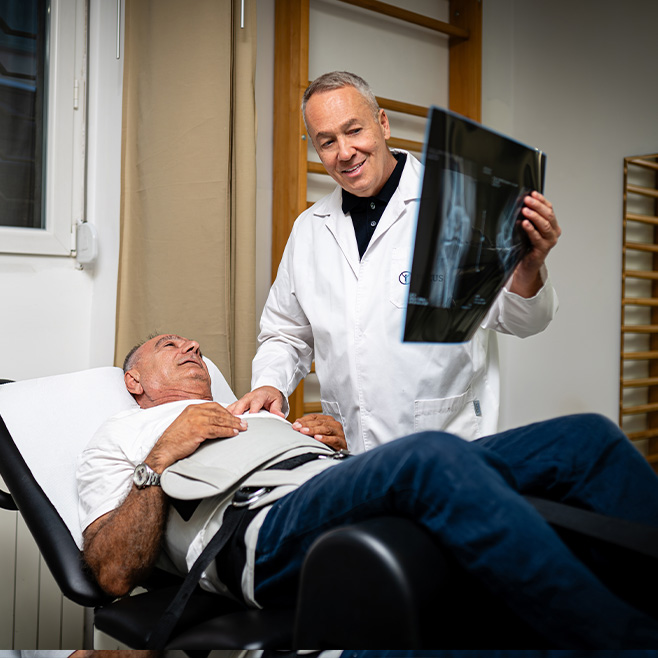
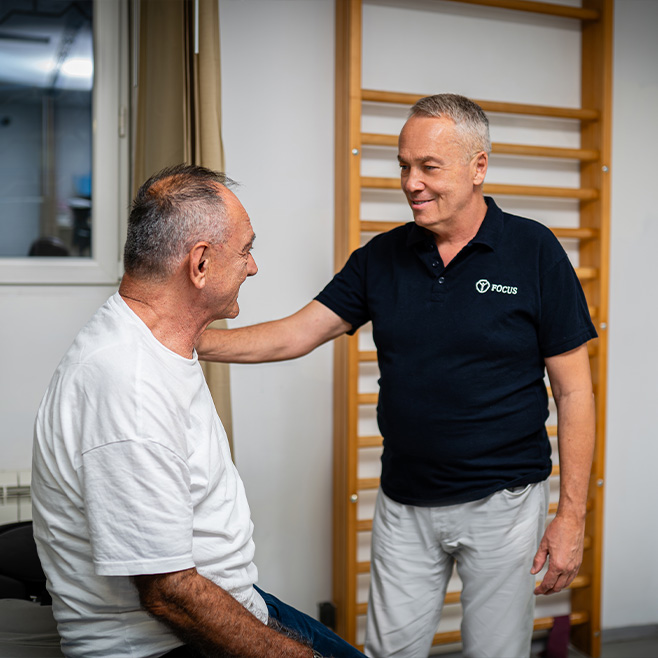
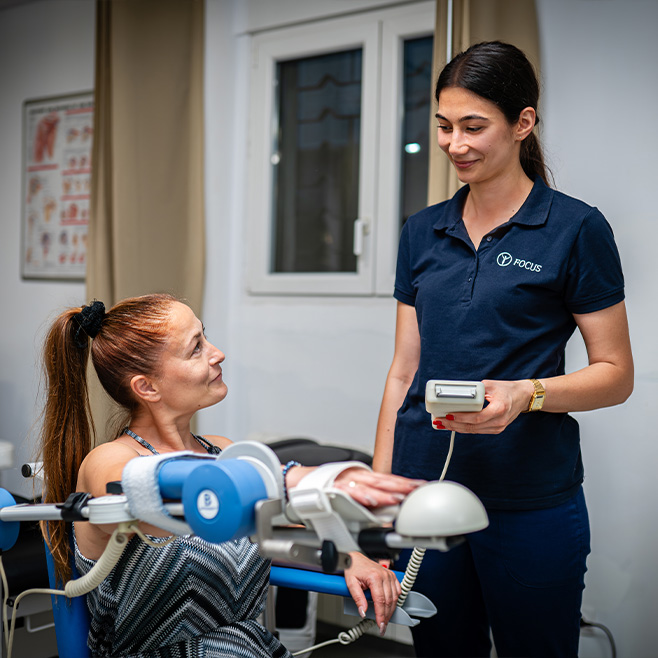
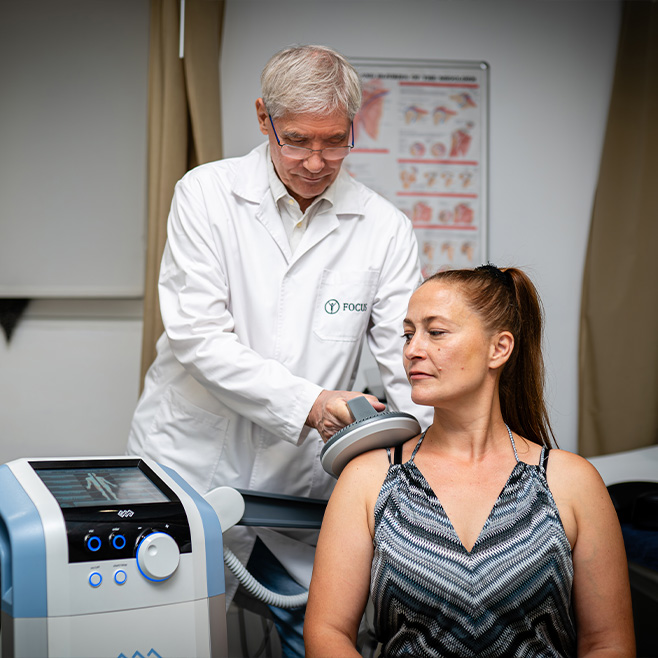
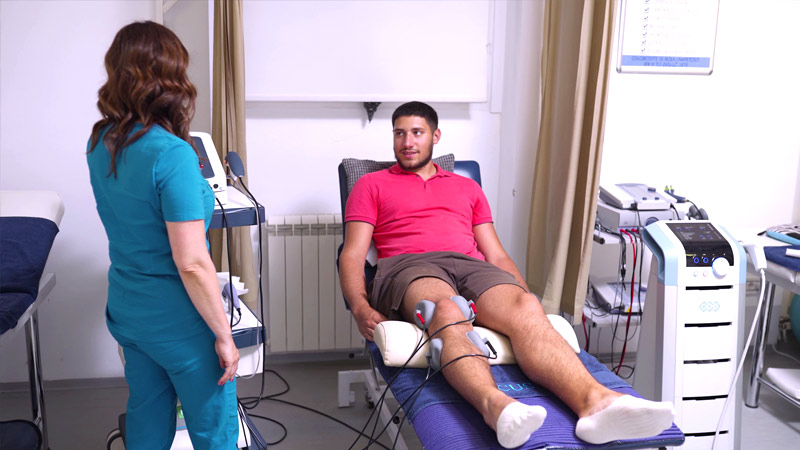

See the experiences of our satisfied patients who successfully recovered with the help of our physical therapy. Get acquainted with the testimonies of patients who faced various joint injuries, sports knee injuries, back injuries and similar problems, which we quickly, efficiently and successfully treated.
Aesthetic surgery
Focus Fizikal is a leading private clinic for physical therapy in Belgrade. For more than 10 years, we have been providing high-quality services that enable quick recovery and healing of our patients.




For all our current and future patients, we have made it possible to schedule an appointment online.



pon-pet:
08:00 - 20:00subota:
08:00 - 15:00


Mon-Fri:
08:00 - 20:00Saturday:
08:00 - 15:00