 +381 64 469 73 73
  Pain in the kneecap
  Symptoms
  Causes
  Treatment
  FAQ
FAQ  Prices
  Gallery
  Testimonials
  Special offer
  Why choose us?
Cash
Through a current account
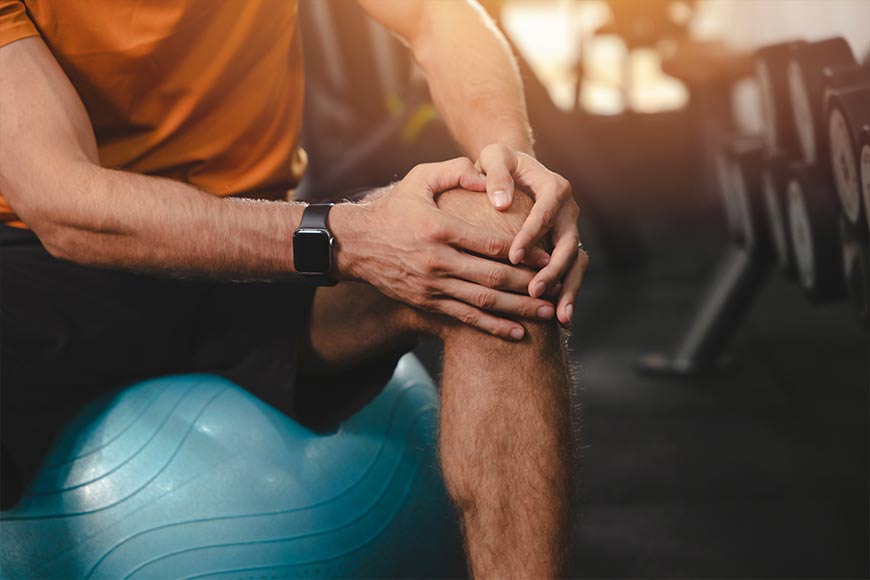
Focus Physical Therapy 100% guarantees fast and effective treatment.
SUPER DISCOUNT! 20% off all therapies in June! Call us 24/7!
Do not treat yourself based on information from the Internet!


From a biomechanical perspective, the kneecap (patella) constantly glides up and down through a special groove on the femur (trochlea femoris) during every bend and extension of the leg. For this movement to be smooth and pain-free, the back of the patella is covered by the thickest layer of articular cartilage in the human body. The stability of the patella within this groove is controlled by passive structures (ligaments) and active stabilizers—primarily the inner head of the quadriceps (vastus medialis obliquus, VMO).
At the Focus Physical Therapy Center, we approach patellar pain with the utmost care, fully aware that patients most often describe this problem as a deep, dull, and diffuse pain “behind” or “around” the patella itself. This pain has very specific provocative factors. It intensifies significantly when descending stairs, when the pressure of the patella against the femur is several times the body weight, as well as when rising from a deep squat. A characteristic symptom is the so-called “theater sign”—the sudden onset of sharp pain, stiffness, and the need to straighten the leg after prolonged sitting in a car, cinema, or office with bent knees. Patients also often report popping, cracking, and a “sandpaper-like” sensation beneath the patella with every squat.
Ignoring this pain and continuing to walk “through the pain” leads to accelerated, irreversible wear of the joint cartilage and early development of knee osteoarthritis (gonarthrosis). Timely visits to the Focus Physical Therapy Center allow us to assess posture and muscle balance through specific tests, determine why the patella “wanders” out of its track, reduce acute inflammation, and address the problem permanently through individualized therapy.
The symptomatology of patella pain varies from dull discomfort during prolonged sitting to sharp pain when descending stairs or after intense exercise. Patients often describe the sensation as if the pain is coming "from deep within" the knee or just behind the bone itself. The clinical picture is specific, as the pain often diminishes during flat walking but sharply increases with any additional load at an angle.
The most common symptoms accompanying patella pain include:
These signs are clear indicators that the cartilage and tendon structures of the patella are under strain, requiring professional evaluation. Timely recognition of these symptoms allows the physical therapist to apply techniques to center the patella and prevent further mechanical damage to the joint.
The etiology of patella pain is most commonly linked to poor biomechanical alignment of the lower extremities and muscle strength imbalances. Factors such as weakness in the inner quadriceps, excessive foot pronation (flat feet), or shortening of the hamstrings directly affect the patella's movement, pulling it to the side. Although the pain is felt in the knee, the root cause is often found in improper hip rotation or ankle instability.
The main causes of patella pain include:
Accurate identification of the underlying cause allows for the creation of an individualized treatment plan that will permanently relieve pressure on the patella and restore its natural mobility. Each of these causes requires a specific rehabilitation approach to ensure long-term relief.
Our approach to treating knee pain at Focus Physical Therapy is strictly individualized and focused on the permanent elimination of the root cause – from improper patellar tracking to cartilage degeneration – rather than just masking the symptoms. We use the most advanced medical technology that biostimulates joint surfaces and corrects the biomechanics of the entire leg, restoring strength and pain-free movement.
The process includes:
The comprehensive use of these advanced methods guarantees maximum therapeutic effectiveness, even in patients with chronic pain. With the personalized approach at Focus Physical Therapy, you will regain trust in your knee and return to running, squats, and all sports activities without restrictions.
Why does the knee hurt most when descending stairs?
When going down stairs, the pressure on the patella (kneecap) against the femur is much greater than during walking on flat ground. In this position, the quadriceps muscle has to strongly decelerate the body’s weight, which maximally presses the irritated cartilage of the patella against the bone surface, causing pain.
Can patella pain be related to flat feet?
Yes, fallen arches of the feet lead to internal rotation of the lower leg, which automatically alters the angle at which the quadriceps pulls on the patella. This causes the patella to slide more toward the outer side of its groove, leading to asymmetric cartilage wear and pain.
How long does recovery from chondromalacia patellae take?
The recovery time depends on the extent of cartilage damage, but with proper physical therapy, significant improvement is typically seen after six to eight weeks. Regular strengthening exercises are crucial for offloading the patella from the strain.
Can I train if I feel pain in the front of my knee?
It is recommended to avoid activities that directly cause pain (especially deep squats, jumps, and running downhill). The training should be modified to include exercises that do not put stress on the patellofemoral joint until a physiotherapist assesses the degree of irritation.
When is pain in the patella a sign that an urgent X-ray or MRI is needed?
If the pain occurred after sudden trauma or a fall onto the knee, if there is significant swelling preventing the knee from bending, or if the patella visibly shifts out of its position, urgent radiological diagnostics are necessary to check for bone or ligament injuries.
Cash
Through a current account
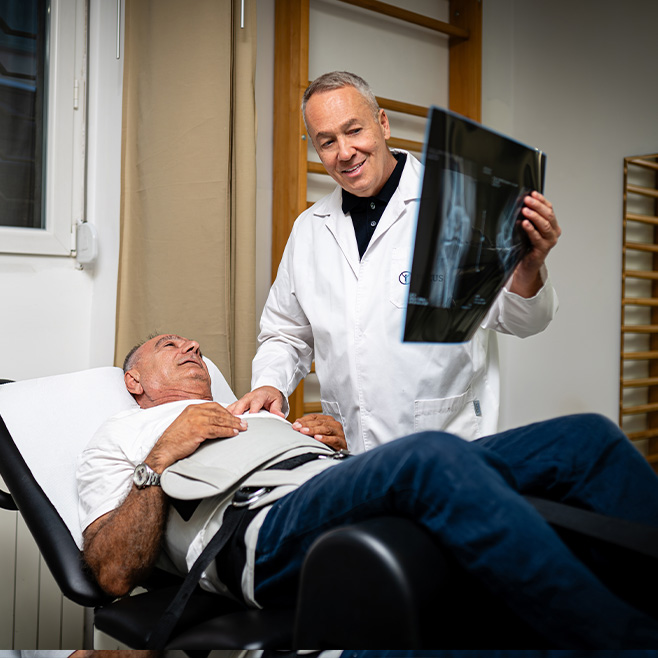
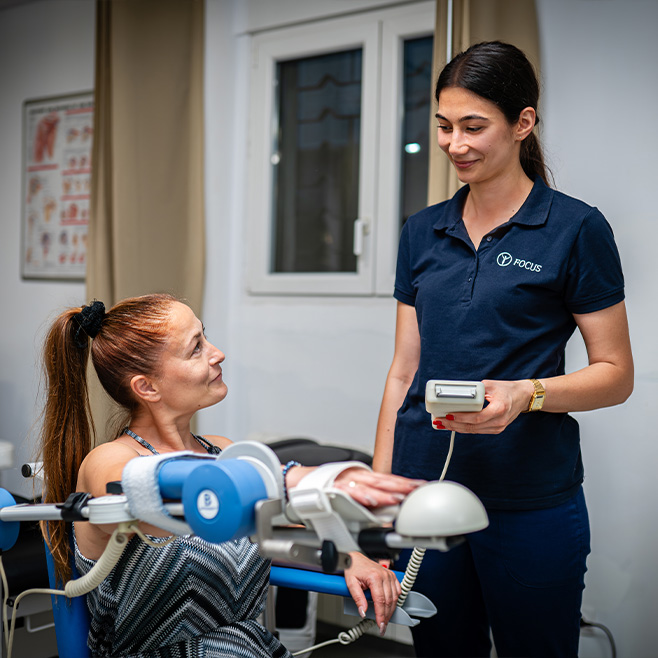
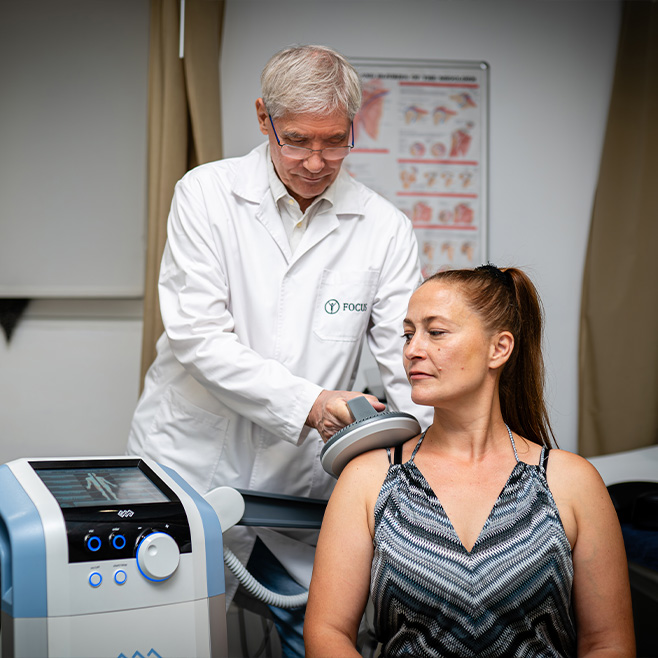
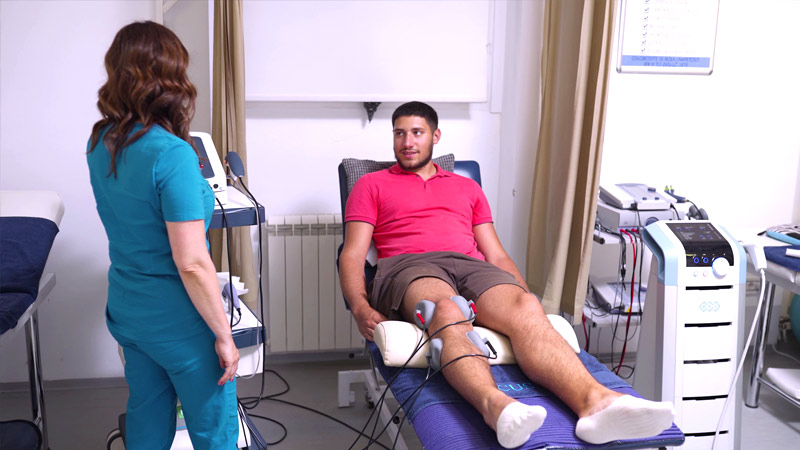

See the experiences of our satisfied patients who successfully recovered with the help of our physical therapy. Get acquainted with the testimonies of patients who faced various joint injuries, sports knee injuries, back injuries and similar problems, which we quickly, efficiently and successfully treated.
Aesthetic surgery
Focus Fizikal is a leading private clinic for physical therapy in Belgrade. For more than 10 years, we have been providing high-quality services that enable quick recovery and healing of our patients.




For all our current and future patients, we have made it possible to schedule an appointment online.



pon-pet:
08:00 - 20:00subota:
08:00 - 15:00


Mon-Fri:
08:00 - 20:00Saturday:
08:00 - 15:00