 +381 64 469 73 73
  Pain in the lower back and hips
  Symptoms
  Causes
  Treatment
  FAQ
FAQ  Prices
  Gallery
  Testimonials
  Special offer
  Why choose us?
Cash
Through a current account
Focus Physical Therapy 100% guarantees fast and effective treatment.
SUPER DISCOUNT! 20% off all therapies in June! Call us 24/7!
Do not treat yourself based on information from the Internet!
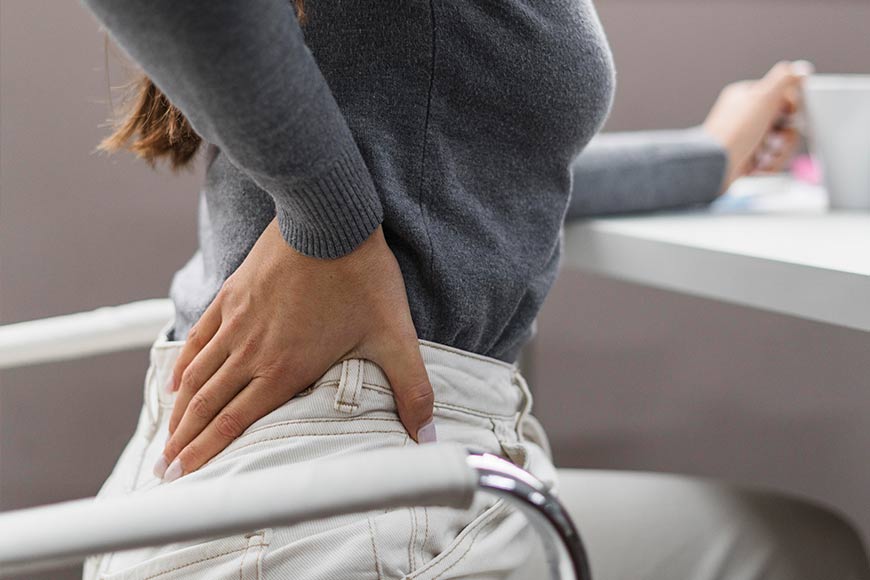
Pain that occurs simultaneously in the lower back and hips represents a complex biomechanical issue, as these two regions are functionally connected and work together in movement and trunk stability. The lower back, pelvis, and hips form a unified system, so restricted movement or overload in one region often leads to additional strain and symptoms in the other. In many patients, pain in one region gradually affects movement patterns and may contribute to the development of secondary pain in nearby structures.
The anatomy of this area includes the five lumbar vertebrae, the sacrum, the pelvis, and the hip joint, as well as strong muscles that stabilize and move these structures, such as the gluteal muscles and the iliopsoas. Important nerve structures also pass through this region, including the sciatic nerve, so pain may originate from the spine, the hip, or the soft tissues that connect them. Symptoms may occur due to muscle imbalance, overload, inflammatory processes, reduced mobility, or degenerative changes. Understanding the relationship between hip mobility and lumbar spine stability is important for properly identifying the cause of the symptoms. Timely physiotherapy assessment and properly directed treatment can help reduce pain, improve function, and prevent the development of chronic complaints.
The symptoms of lower back and hip pain can range from a mild, nagging discomfort to severe pain that significantly limits mobility and interferes with everyday activities. Patients often describe a deep ache in the lower back, stiffness around the hips, and difficulty performing simple movements such as getting out of bed, climbing stairs, bending down, or putting on shoes and socks. The clinical presentation is unique because the pain may shift from one side to the other, radiate into the buttocks or thighs, or fluctuate in intensity depending on posture, activity level, and time of day.
Pain in the lower back and hips frequently develops gradually, beginning as occasional stiffness or fatigue and progressing into persistent discomfort that affects work, exercise, and sleep. Because the lumbar spine, pelvis, and hip joints function as a connected biomechanical unit, dysfunction in one area often places excessive stress on the others, resulting in a combination of symptoms.
The most common symptoms accompanying lower back and hip pain include:
These symptoms are clear indicators that the joints, muscles, ligaments, or nerve structures of the lumbopelvic region are under excessive strain and require professional evaluation. Early recognition of these warning signs allows a physiotherapist to identify the underlying cause, restore proper movement patterns, reduce pain, and prevent the development of more severe inflammatory or degenerative conditions.
The causes of combined back and hip pain are most commonly associated with mechanical overload, muscle imbalance, and degenerative changes. Factors such as weakness of the gluteal muscles, tightness of the hip flexor muscles, and poor sitting posture may contribute to the development of symptoms. Although the pain is felt in two different regions, the cause is often related to a single process that disrupts the balance of the entire pelvis and lumbopelvic region.
The main causes of lower back and hip pain include:
Accurately determining whether the pain primarily originates from the spine or the hip joint is important for creating an individualized treatment plan. Each of the listed causes requires an appropriate rehabilitation approach in order to achieve longer-term relief and improved functionality.
Our approach to treating lower back and hip pain at Focus Fizikal is individualized and focused on permanently addressing the root cause, rather than just masking the symptoms. We use the latest medical technology to simultaneously target the lumbar spine, pelvis, and hips, eliminating pain and restoring your body's natural stability and symmetry.
The process includes:
Regular adherence to the recommended exercise program, along with education on proper ergonomics and protective postures, ensures long-term maintenance of the achieved results. This comprehensive treatment at Focus Fizikal not only eliminates pain in the lower back and hips but also significantly improves your stability and movement mechanics, enabling a safe return to all physical activities.
Why does pain often occur simultaneously in the lower back and the hip?
The lower back and hips form a single kinetic chain. When there is an issue in the lumbar spine, the muscles around the hip reflexively tighten to stabilize the pelvis, leading to tendon inflammation and bursitis within the hip joint itself. Additionally, nerve irritation in the lower back can project pain directly to the side of the hip and groin, which is why patients often cannot pinpoint the exact source of discomfort.
What are the most effective methods for treating combined back and hip pain?
At the Focus Physical Therapy center, we use a combination of procedures that act on both segments simultaneously. Tecar therapy is key for deep relaxation of the iliopsoas and piriformis muscles that connect the back and hip, while high-inductive magnetism reduces inflammation within the hip joint itself and around the nerve roots in the spine. This integrated approach allows for a faster disappearance of pain and restoration of a normal walking pattern.
Can hip pain be caused solely by a problem in the spine?
Yes, this is a very common occurrence known as referred pain. A herniated disc or degenerative changes in the L4 and L5 vertebrae often cause pain felt exclusively in the hip region, even though the hip joint itself is perfectly healthy. Through a physical therapy examination in our center, we determine whether the cause lies within the joint or if it is necessary to focus therapy on offloading the lumbar spine.
How many treatments are needed to stabilize the condition of the back and hips?
Since two connected regions are being treated, recovery requires continuity to restore movement symmetry. Most patients feel relief while moving and sleeping after five to seven treatments. For complete pain elimination and strengthening of the hip and back stabilizer muscles, a cycle of ten to fifteen working days is usually recommended.
When is back and hip pain a sign that professional help is needed?
If you feel pain that wakes you up at night when turning, if you find it difficult to put on socks and shoes, or if you feel "stiffness" in the hip during the first steps after getting up, it is time for physical therapy. A timely response prevents permanent damage to hip cartilage and chronic spinal instability, allowing you to stay active without limitations.
Cash
Through a current account
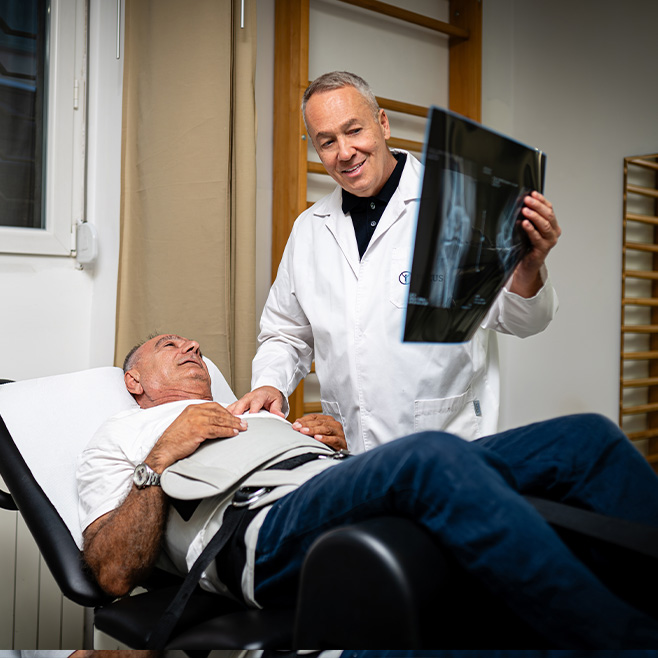
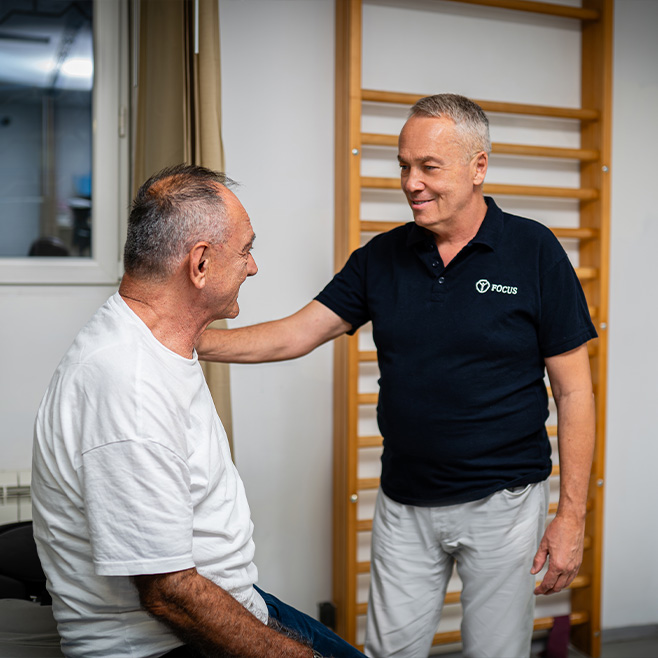
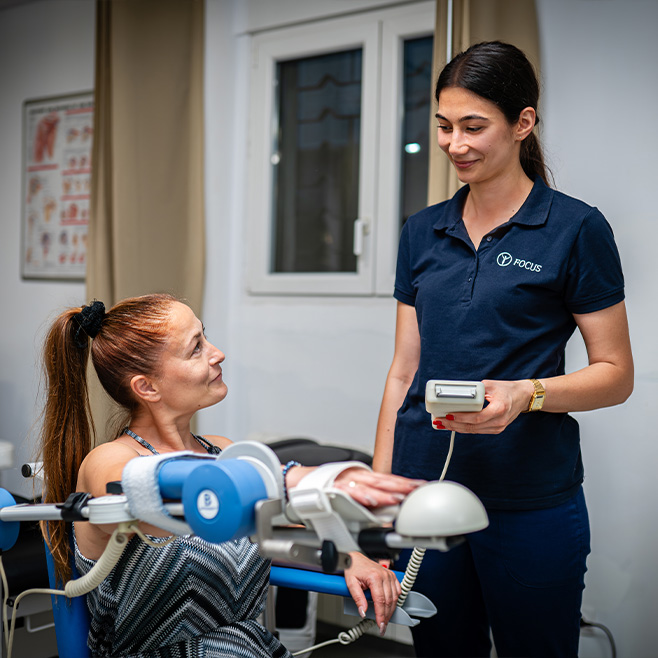
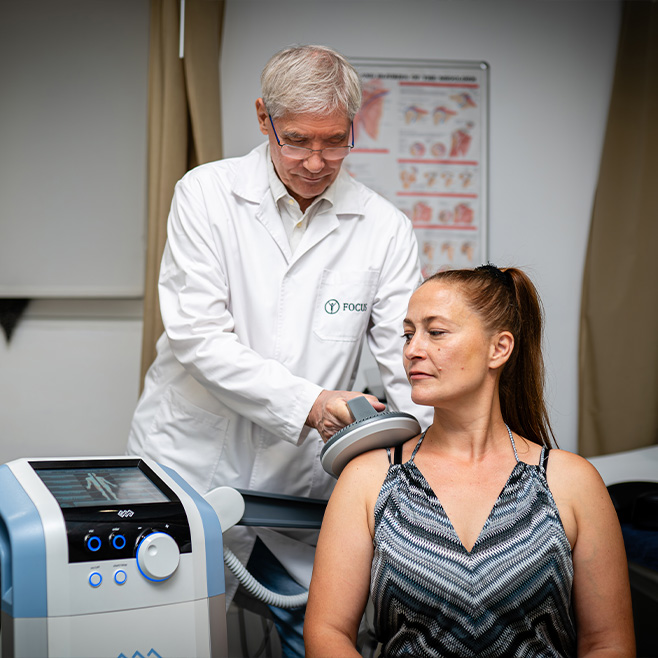
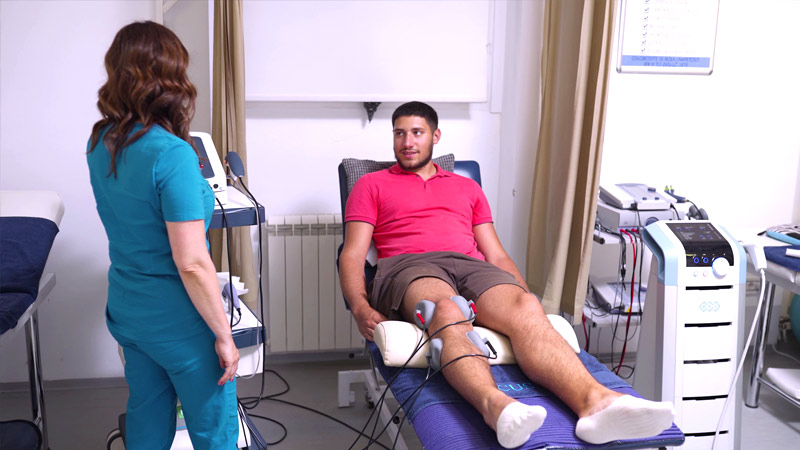

See the experiences of our satisfied patients who successfully recovered with the help of our physical therapy. Get acquainted with the testimonies of patients who faced various joint injuries, sports knee injuries, back injuries and similar problems, which we quickly, efficiently and successfully treated.
Aesthetic surgery
Focus Fizikal is a leading private clinic for physical therapy in Belgrade. For more than 10 years, we have been providing high-quality services that enable quick recovery and healing of our patients.




For all our current and future patients, we have made it possible to schedule an appointment online.



pon-pet:
08:00 - 20:00subota:
08:00 - 15:00


Mon-Fri:
08:00 - 20:00Saturday:
08:00 - 15:00