 +381 64 469 73 73
  Lower back pain in women
  Symptoms
  Causes
  Treatment
  FAQ
FAQ  Prices
  Gallery
  Treatment
  Special offer
  Why choose us?
Cash
Through a current account

Focus Physical Therapy 100% guarantees fast and effective treatment.
SUPER DISCOUNT! 20% off all therapies in June! Call us 24/7!
Do not treat yourself based on information from the Internet!


Lower back pain in women represents a complex clinical challenge, as it is often associated with the specific anatomy of the pelvis, hormonal fluctuations, and biomechanical changes throughout different life stages. The female pelvis is wider and shallower compared to the male pelvis, which directly affects the angle at which the lumbar spine meets the sacrum. This anatomical specificity creates a greater forward tilt of the pelvis, increasing pressure on the intervertebral discs and small spinal joints in the lumbar region.
The anatomy of this region in women involves a strong connection between the lower back muscles, the abdominal wall, and the pelvic floor muscles. Pain arises when this balance is disrupted, either due to muscle weakness following pregnancy or from static strain during work. Additionally, the ligaments in this area are susceptible to hormonal influences (such as relaxin), which increase their elasticity, potentially leading to temporary instability of the sacroiliac joints. Understanding the connection between core stability and pelvic joint mobility is crucial for determining the underlying cause of the discomfort. Timely physiotherapeutic diagnosis prevents the development of chronic lumbar syndrome and ensures the preservation of full spinal functionality.
The symptomatology of lower back pain in women varies from dull discomfort in the lower back that intensifies before the menstrual cycle to sharp pain during prolonged standing or carrying heavy loads. Patients often describe a feeling of muscle fatigue along the spine that doesn't subside even after rest. The clinical picture is specific, as the pain often radiates from the lower back to the groin, hips, or pelvic region.
The most common symptoms accompanying lower back pain in women include:
Dull, chronic lower back pain: A feeling of constant pressure and fatigue in the lower back that worsens at the end of the day or after prolonged standing and cooking.
Sharp pain during position changes: Shooting pain that occurs when getting out of bed, rising from a chair, or stepping out of a car.
Pain radiating to the buttocks and legs: Pain that starts in the lower back and travels through the hip down the thigh, often indicating sciatic nerve irritation.
A feeling of heaviness and tightness in the pelvis: Discomfort encompassing the entire lower back and abdominal belt, frequently linked to hormonal cycles.
Reduced range of motion: An inability to fully bend forward or rotate the torso sideways due to a protective spasm of the back muscles.
These signs are clear indicators that the lumbosacral region and surrounding muscles are under strain and require professional evaluation. Recognizing the symptoms in time allows the physiotherapist to apply techniques to strengthen the internal stabilizers and prevent the development of more severe conditions like disc herniation.
The causes of lower back pain in women are most often related to postural stress, hormonal changes, and muscle imbalances. Factors such as wearing high-heeled shoes, carrying a child on one side for extended periods, or weakness in the abdominal muscles directly contribute to the onset of muscle spasms. Although the pain is felt in the back, the cause is often rooted in dysfunction of the pelvic floor muscles or poor pelvic alignment.
The main causes of lower back pain in women are:
Accurate determination of whether the pain originates from mechanical overload or is associated with other physiological factors allows for the creation of an individualized treatment plan. Each of the aforementioned causes requires a specific rehabilitation approach to achieve long-term relief for the spine.
Our approach to treating lower back pain at the Focus Physical Therapy Center is strictly individualized and focused on the immediate elimination of the root cause – from acute muscle spasms and herniated discs to sciatica and sacroiliac joint instability. We use the latest medical technology to relieve nerve compression and regenerate damaged tissues, providing you with stability, freedom of movement, and a return to everyday activities without limitations.
The rehabilitation process includes:
The comprehensive application of these methods at Focus Physical Therapy Center ensures maximum effectiveness even in the most challenging conditions. Our goal is not only immediate relief but also long-term functionality and a life free of back pain.
Why does back pain often occur after childbirth?
During pregnancy, the hormone relaxin softens ligaments to prepare the pelvis for birth, and abdominal muscles stretch and weaken. Postpartum physical therapy is crucial to restore these muscles so they can take the load off the spinal column again.
Which procedures at your center help with chronic lower back pain?
We achieve the best results with a combination of TECAR therapy, which deeply warms and relaxes tight muscles, and HILT laser, which reduces inflammation in nerve roots and joint facets.
Are abdominal exercises good for back pain?
Only if they are correctly chosen. Traditional sit-ups can actually worsen the pain. At our center, we focus on exercises for the deep core stabilizer (transversus abdominis) and pelvic floor muscles, which create a natural "corset" around your spine.
How many treatments are needed to feel relief?
Most women feel a significant reduction in pressure after the first three sessions. Complete recovery and stabilization usually require a cycle of 10 visits, including education on proper lifting techniques.
Can high heels cause back pain?
Yes. Wearing high heels shifts the pelvic tilt and increases lumbar lordosis (the curve in the lower back), creating constant pressure on the vertebrae. Through physical therapy, we correct the effects of this posture and restore muscular balance.
Cash
Through a current account
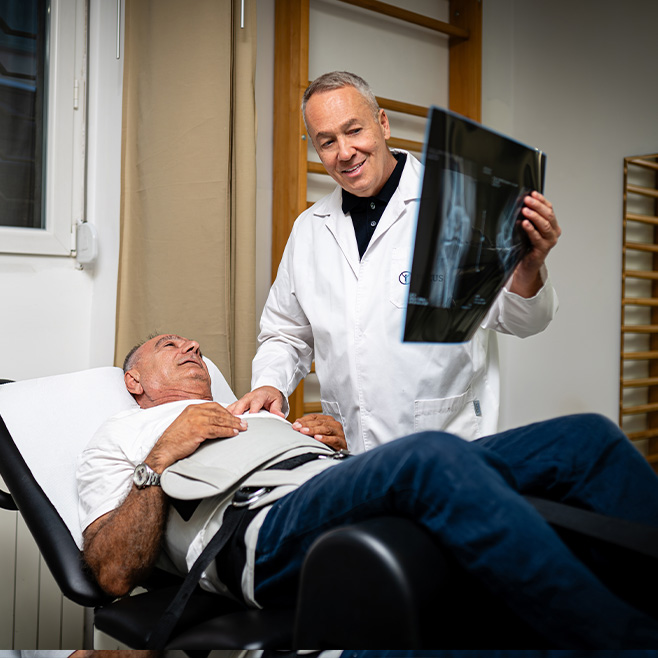
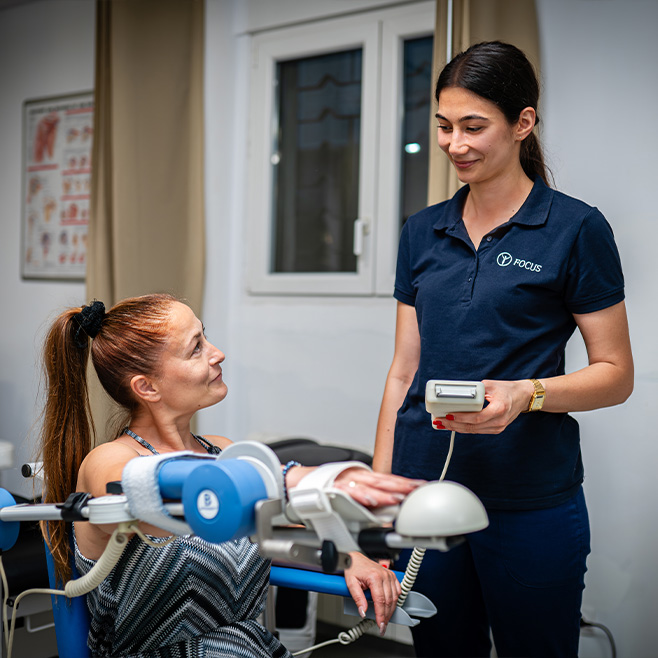
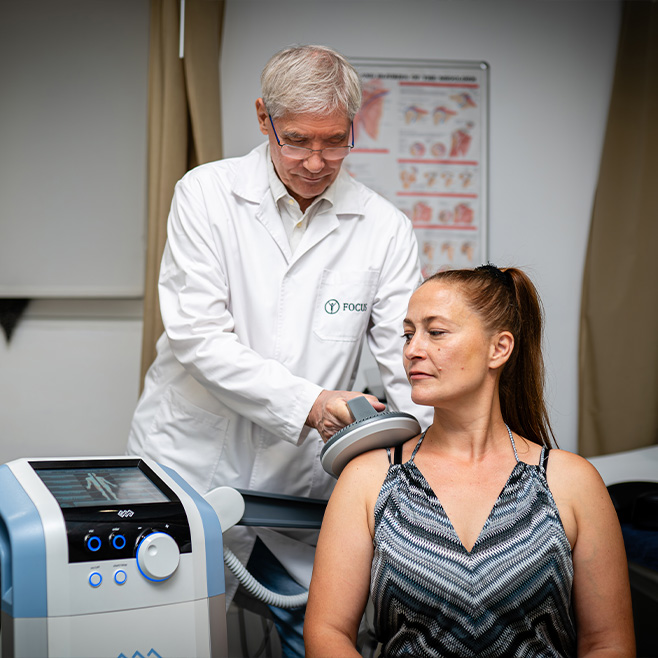
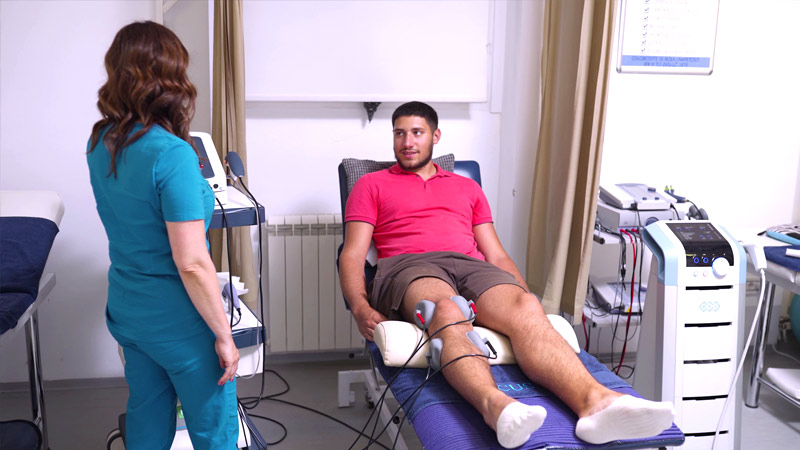

See the experiences of our satisfied patients who successfully recovered with the help of our physical therapy. Get acquainted with the testimonies of patients who faced various joint injuries, sports knee injuries, back injuries and similar problems, which we quickly, efficiently and successfully treated.
Aesthetic surgery
Focus Fizikal is a leading private clinic for physical therapy in Belgrade. For more than 10 years, we have been providing high-quality services that enable quick recovery and healing of our patients.




For all our current and future patients, we have made it possible to schedule an appointment online.



pon-pet:
08:00 - 20:00subota:
08:00 - 15:00


Mon-Fri:
08:00 - 20:00Saturday:
08:00 - 15:00