 +381 64 469 73 73
  What is Morton's neuroma?
  Symptoms
  Causes
  Treatment
  FAQ
FAQ  Prices
  Gallery
  Testimonials
  Why choose us?
Cash
Through a current account
Focus Physical Therapy 100% guarantees fast and effective treatment.
SUPER DISCOUNT! 20% off all therapies in June! Call us 24/7!
Do not treat yourself based on information from the Internet!


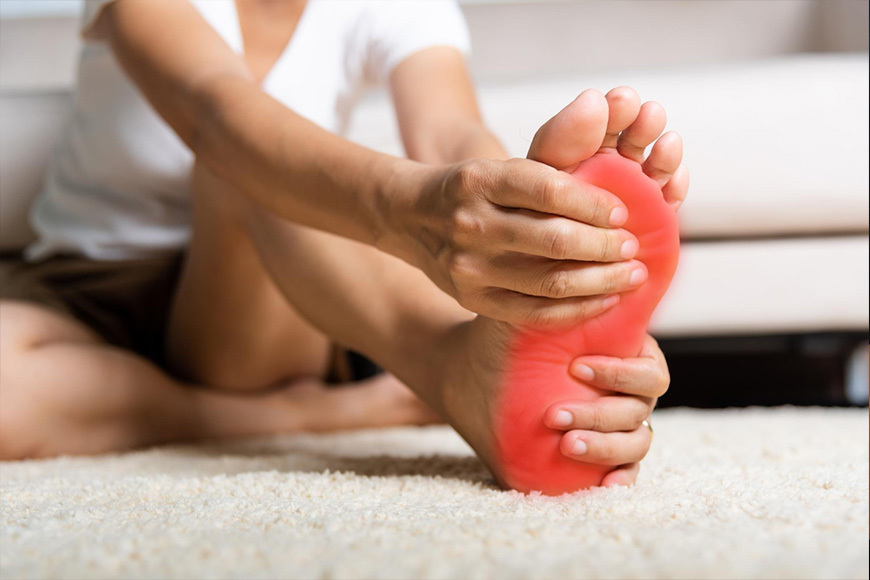
Morton’s neuroma is a painful condition that affects the foot, specifically the area between the third and fourth toes. This condition occurs when the tissue surrounding one of the nerves in the foot thickens, leading to pain, tingling, and discomfort in the forefoot. Although Morton’s neuroma is not life-threatening, it can significantly affect quality of life and the ability to perform daily activities.
The anatomy of the forefoot is designed to distribute body weight during walking, running, and jumping. Digital nerves pass between the long metatarsal bones, providing sensation to the toes. In Morton’s neuroma, repeated mechanical pressure, friction, or narrowing of the space causes microtrauma to the nerve. As a protective response to constant irritation, fibroblastic (scar) tissue thickens around the nerve fibers. Contrary to its name, Morton’s neuroma is not a tumor but a chronic compressive perineural fibroma.
At Focus Physical Therapy Center, we approach the treatment of Morton’s neuroma with particular care, as this condition is often confused with simple foot fatigue or metatarsalgia (inflammation of the metatarsal bones themselves). Our primary task is to precisely isolate the neuroma through detailed biomechanical gait analysis, footwear assessment, and specific clinical tests (such as the Mulder sign, where lateral compression of the forefoot elicits a painful “click”). Based on this evaluation, we create an individualized rehabilitation plan aimed at immediately relieving pressure on the inflamed area and halting the progression of nerve thickening.
The symptoms of Morton’s neuroma usually develop gradually, and their specificity facilitates an accurate diagnosis. It is characteristic that patients initially show no visible external signs—there is no swelling, redness, or lumps on the foot—but the internal sensation of pain is often very intense.
The most common symptoms include:
At Focus Physical Therapy Center, early recognition of these signs is a crucial step toward successful recovery, as it allows timely intervention to prevent acute inflammation from progressing into chronic tissue damage or permanent loss of joint function.
The development of Morton’s neuroma is almost always associated with biomechanical factors that lead to narrowing of the space around the nerve and chronic overload. At our center, through detailed analysis of posture and how the foot bears weight on the ground, we identify the primary causes of this condition.
The main causes of Morton’s neuroma include:
Treatment and physical therapy for Morton’s neuroma require patience and a combination of different methods, as symptoms do not subside overnight. The first step in therapy is immediate footwear modification—switching to shoes with a wide toe box and a soft, flexible sole. Custom-made orthopedic insoles with a specific metatarsal pad (pilot pad) are also essential, as they mechanically lift the metatarsal bones and increase the space between them, relieving pressure on the nerve. At home, cryotherapy (ice massage) of the forefoot pads after prolonged walking is recommended to reduce acute inflammation.
At Focus Physical Therapy Center, the treatment of Morton’s neuroma is performed through advanced, non-invasive physical therapy protocols that specifically target the inflamed nerve tissue:
The combination of these advanced technologies and expert manual therapy at Focus Physical Therapy Center enables successful conservative treatment of Morton’s neuroma, eliminating the need for surgical intervention and restoring full functionality, stability, and pain-free walking.
Can Morton's neuroma go away on its own?
Morton's neuroma rarely goes away on its own. Conservative treatment methods can help relieve symptoms, but in some cases, surgical intervention may be required.
What are the risk factors for developing Morton's neuroma?
Risk factors include wearing tight shoes, running or standing on tiptoes, flat feet, high arches, and foot injuries.
Can I continue sports activities if I have Morton's neuroma?
It is recommended to consult a doctor before resuming sports activities. In some cases, changes in footwear and physiotherapy may allow activity to continue without worsening symptoms.
How long does recovery take after Morton's neuroma surgery?
The recovery period after surgery can last from several weeks to several months, depending on the type of surgery and individual response to treatment.
Can Morton's neuroma come back after treatment?
Although neuroma recurrence is rare after surgical treatment, in some cases symptoms may recur, especially if the factors that contributed to the development of the condition are not eliminated.
Therapeutic day (2 physical therapy procedures with hilt laser or SIS magnet)
6.500 din -
4.000 din
6.500 din -
4.000 din
Therapy day (2 classic physical therapy procedures, hilt and SIS magnet)
6.500 din -
4.000 din
6.500 din -
4.000 din
Therapeutic day (2-3 classic physical therapy procedures and SIS or hilt with kinesi therapy)
6.500 din -
4.000 din
6.500 din -
4.000 din
Therapeutic package of 10 treatments and control examination
55.000 din -
45.000 din
55.000 din -
45.000 din
Postoperative rehabilitation monthly package of 20 therapies (Hilt + classical therapies, SIS magnet and kin
75.000 din
75.000 din
Cash
Through a current account
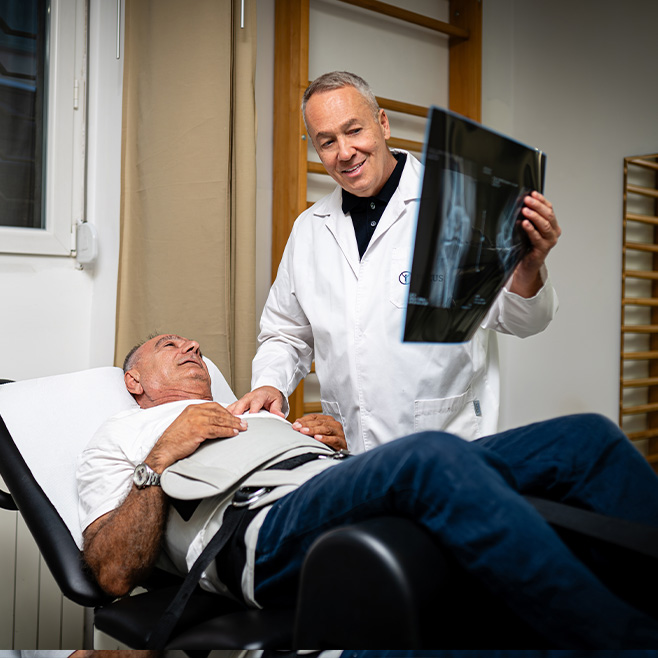
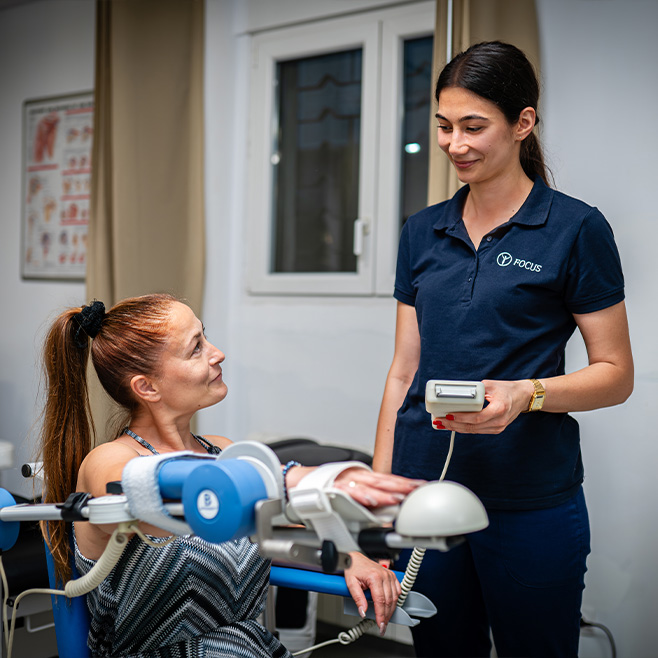
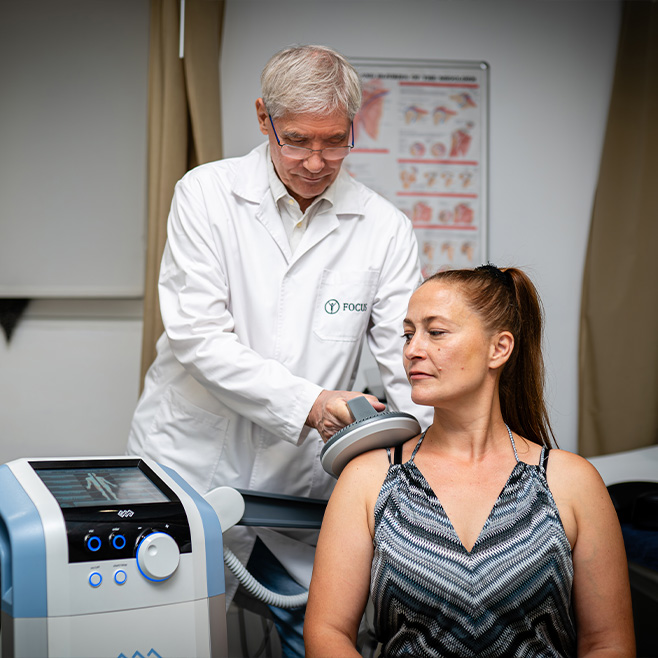
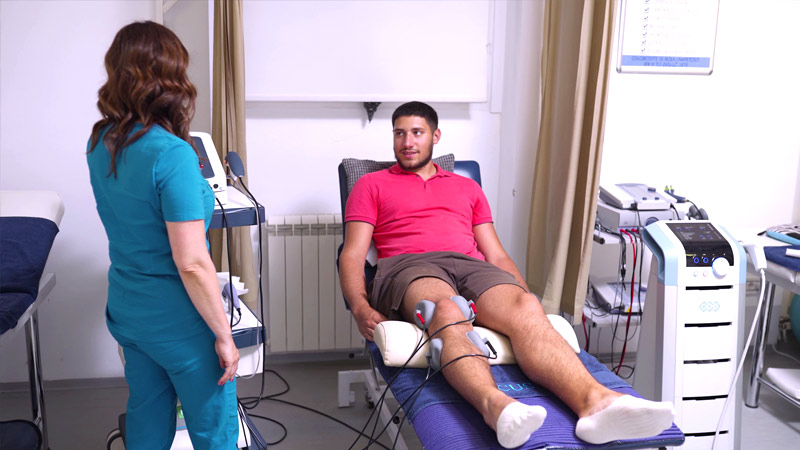

See the experiences of our satisfied patients who successfully recovered with the help of our physical therapy. Get acquainted with the testimonies of patients who faced various joint injuries, sports knee injuries, back injuries and similar problems, which we quickly, efficiently and successfully treated.
Aesthetic surgery
Focus Fizikal is a leading private clinic for physical therapy in Belgrade. For more than 10 years, we have been providing high-quality services that enable quick recovery and healing of our patients.



For all our current and future patients, we have made it possible to schedule an appointment online.



pon-pet:
08:00 - 20:00subota:
08:00 - 15:00


Mon-Fri:
08:00 - 20:00Saturday:
08:00 - 15:00