 +381 64 469 73 73
  Pain behind the knee
  Treatment
  Causes
  Treatment
  FAQ
FAQ  Prices
  Gallery
  Testimonials
  Special offer
  Why choose us?
Cash
Through a current account
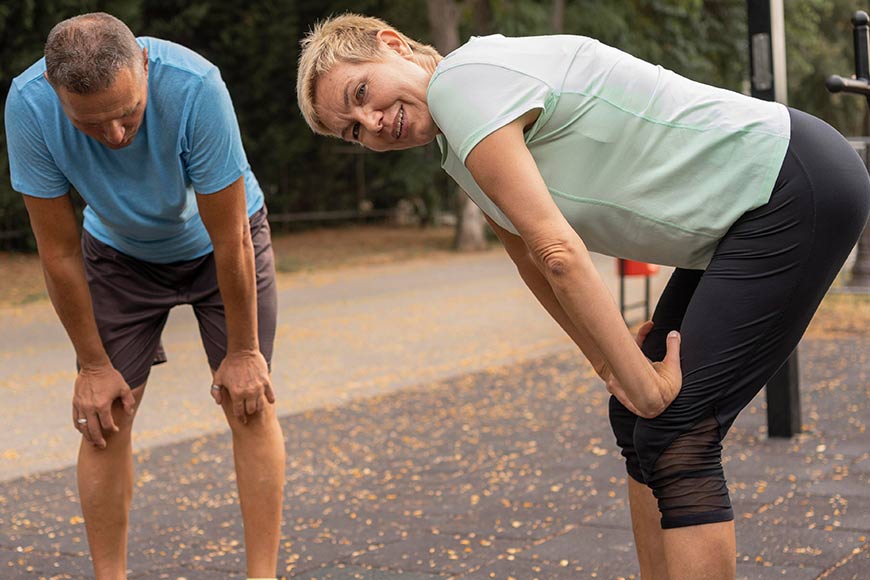
Focus Physical Therapy 100% guarantees fast and effective treatment.
SUPER DISCOUNT! 20% off all therapies in June! Call us 24/7!
Do not treat yourself based on information from the Internet!


From a biomechanical perspective, the knee is a joint that bears the greatest load of our body weight, and its mobility and stability depend on a delicate balance between the muscles on the front and back of the thigh. The hamstring muscles and the popliteus muscle play a key role not only in knee flexion but also in controlling extension and rotation of the knee. When this balance is disrupted due to chronic overload, sudden squats, running on hard surfaces, or poor posture, increased pressure develops within the joint itself. This internal stress leads to microtrauma of the soft tissues and increased secretion of synovial fluid, which seeks an outward path, most often through weakened areas of the posterior joint capsule.
At the Focus Physical Therapy Center, we approach pain behind the knee with maximum diagnostic attention, as we are aware that the location and nature of the pain can vary significantly depending on the affected structure. Patients most commonly describe the problem in two ways: either as a constant sensation of pressure, fullness, and tightness, similar to a “bubble” or a tense ball behind the knee that physically prevents full knee extension during walking (a classic sign of a Baker’s cyst), or as a sharp, shooting pain that occurs during resisted knee flexion, climbing stairs, or running uphill, suggesting inflammation of the hamstring tendons or the popliteus muscle.
Ignoring this pain or masking it long-term with painkillers leads to the development of significant compensatory mechanisms in the body. In order to avoid the uncomfortable pressure behind the knee, the patient unconsciously begins to walk with a slightly flexed knee and shifts body weight to the opposite hip, which soon leads to secondary pain in the lower back, hip, and foot. Timely consultation at the Focus Physical Therapy Center allows us, through specific orthopedic tests and palpation, to precisely isolate the cause of the problem, quickly reduce swelling, relieve muscle spasm, and through advanced rehabilitation procedures, permanently restore full and pain-free range of motion.
The symptomatology of pain behind the knee varies from a discrete feeling of tightness to intense pain that prevents normal stepping or squatting. Patients often complain of specific sensations that change depending on the level of physical activity, and the symptoms are frequently more pronounced after prolonged standing or walking on uneven terrain. The clinical picture often includes a combination of mechanical pain and a subjective feeling of instability in the joint.
The most common symptoms accompanying pain behind the knee include:
All of these signs are clear indicators that the soft tissues of the posterior compartment or the interior of the joint are experiencing stress that requires professional oversight and evaluation. Adequate recognition of these symptoms in the early stages is crucial to prevent further complications and chronic stiffness of the joint.
The etiology of pain at the back of the knee is most commonly associated with overloading the muscle tendons or degenerative changes within the joint itself, leading to fluid accumulation. Factors such as sudden rotations, improper training, or prolonged sitting with crossed legs further contribute to the irritation of the popliteal region. Although the pain is localized, the underlying cause often lies in the muscle imbalance of the entire lower limb or problems with venous circulation.
The main causes of pain behind the knee are:A
Understanding these causes enables the physical therapist to create a treatment plan that directly targets the root of the problem, not just its immediate consequences. Each of the listed causes requires a specific approach in treatment to ensure long-term stability and mobility of the leg.
Treatment of pain behind the knee at the Focus Physical Therapy Center is based on reducing intra-articular pressure and restoring natural elasticity to the muscles of the posterior leg. The therapeutic protocol is individually tailored to each patient, using modern methods that accelerate fluid resorption and soft tissue regeneration. Successful rehabilitation involves not only pain relief but also long-term knee stabilization through targeted strengthening exercises.
A modern rehabilitation approach includes the following phases:
Continuous adherence to the recommended exercise program is essential for maintaining results and preventing re-accumulation of joint fluid. This comprehensive approach restores confidence in movement and full functional capacity of the lower limb in all activities.
What is a Baker's cyst and how does it cause pain?
A Baker's cyst is a buildup of joint fluid in a sac behind the knee, often secondary to an internal joint issue like meniscus damage. It feels like a "ball" or pressure behind the knee that limits squatting.
Can the pain behind the knee be muscular?
Yes, frequently. A spasm of the popliteus muscle, which "unlocks" the knee, or inflammation of the hamstring/calf muscle attachments, can project pain directly into the popliteal fossa.
Which physical procedures fastest reduce pressure and pain?
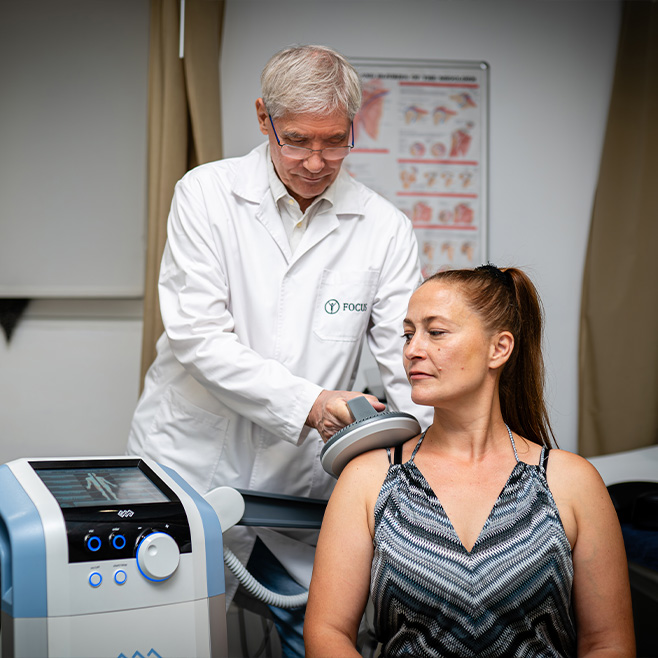
We achieve excellent results with TECAR therapy, which relaxes deep tissues and aids fluid resorption, and high-power HILT laser, which provides strong anti-inflammatory effects and rapid pain relief.
How to distinguish this pain from venous thrombosis?
If pain is accompanied by sudden swelling of the calf, redness, and warmth, an urgent Doppler ultrasound is required. Muscular pain and cysts typically do not cause such skin changes.
Which exercises help reduce tightness behind the knee?
We focus on gentle joint mobilization and hamstring stretches. For Baker's cysts, strengthening the quadriceps is vital to stabilize the joint and naturally reduce fluid production and pressure.
Cash
Through a current account
Aesthetic surgery
Focus Fizikal is a leading private clinic for physical therapy in Belgrade. For more than 10 years, we have been providing high-quality services that enable quick recovery and healing of our patients.




For all our current and future patients, we have made it possible to schedule an appointment online.



pon-pet:
08:00 - 20:00subota:
08:00 - 15:00


Mon-Fri:
08:00 - 20:00Saturday:
08:00 - 15:00