 +381 64 469 73 73
  Pain below the knee on the back side
  Symptoms
  Causes
  Treatment
  FAQ
FAQ  Prices
  Gallery
  Testimonials
  Special offer
  Why choose us?
Cash
Through a current account
Focus Physical Therapy 100% guarantees fast and effective treatment.
SUPER DISCOUNT! 20% off all therapies in June! Call us 24/7!
Do not treat yourself based on information from the Internet!


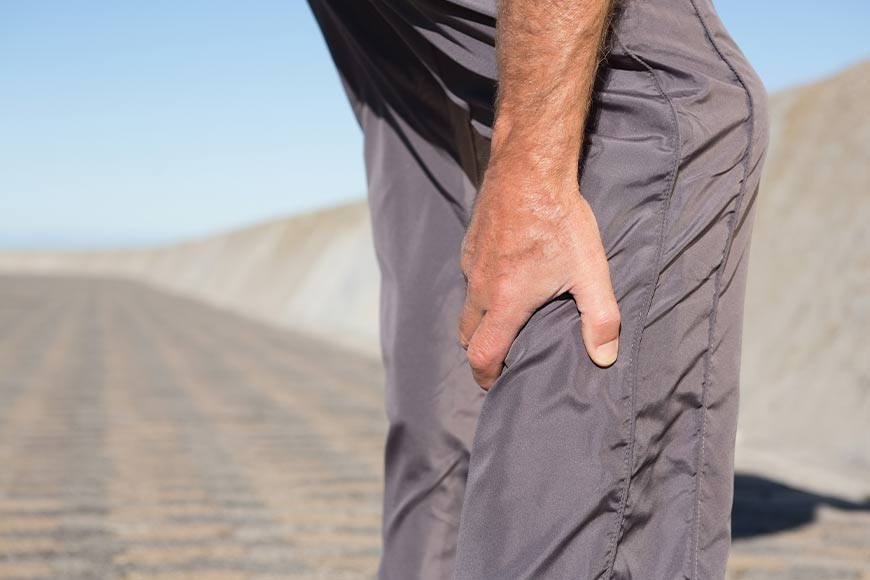
Pain that occurs on the back side of the knee, in the area known as the popliteal fossa, presents a specific diagnostic challenge because this narrow space contains key blood vessels, nerves, tendons, and the joint capsule. Unlike pain in the front of the knee, pain below the knee is often described by patients as a feeling of tightness, pressure, or fullness that worsens with full extension or maximum bending of the leg. Given the complex anatomy of the posterior segment of the knee, issues in this area can be related to both local structures and problems originating from the lumbar spine or circulation.
The back of the knee is protected by strong tendons of the hamstring and calf muscles, which together stabilize the joint during walking and running. When irritation of the soft tissues or increased pressure within the joint occurs, fluid may accumulate in the back, causing the characteristic sensation of resistance. Understanding the interaction between the joint capsule and surrounding muscles is crucial for determining the exact source of pain. Timely physical therapy assessment allows for differentiation between benign muscle strains and more serious vascular or joint disorders.
The symptoms of pain below the knee vary from a subtle feeling of tightness to intense pain that prevents normal stepping or squatting. Patients often report specific sensations that change depending on the level of physical activity, and the symptoms are frequently more pronounced after prolonged standing or walking on uneven terrain. The clinical presentation often involves a combination of mechanical pain and a subjective feeling of instability in the joint.
The most common symptoms accompanying pain below the knee include:
All of these signs are clear indicators that the soft tissues of the hamstring or the inner joint are under strain, requiring professional monitoring. Properly recognizing these symptoms in the early stages is crucial for preventing further complications and chronic joint stiffness.
The causes of pain at the back of the knee are most commonly related to overloading muscle tendons or degenerative changes within the joint itself that lead to fluid accumulation. Factors such as sudden rotations, improper training, or prolonged sitting with crossed legs further contribute to irritation of the popliteal region. Although the pain is felt locally, the underlying cause often lies in muscle imbalance across the entire lower limb.
The main causes of pain below the knee include:
Understanding these causes allows the physical therapist to develop a treatment plan that directly targets the root of the problem, rather than just its consequences. Each of the listed causes requires a specific approach to treatment to ensure long-term joint stability.
Treatment of pain below the knee at the Focus Physical Therapy Center is based on reducing intra-articular pressure and restoring elasticity to the muscles of the posterior leg. The therapeutic protocol is individually adapted to each patient, using modern methods that accelerate fluid resorption and tissue regeneration. Successful rehabilitation involves not only pain relief but also knee stabilization through targeted strengthening exercises.
A modern rehabilitation approach includes the following phases:
Continuous performance of the recommended exercise program is essential for maintaining results and preventing fluid re-accumulation. This comprehensive approach restores confidence in movement and full functional capacity of the leg.
What is a Baker's cyst and why does it cause pain behind the knee?
A Baker's cyst is a buildup of joint fluid in a sac behind the knee, usually resulting from an internal joint injury (e.g., meniscus damage). It feels like a "ball" or heavy pressure that prevents full squatting or straightening the leg.
Can the pain originate from the muscles?
Yes. It is often a spasm of the popliteus muscle, located deep behind the knee. Inflammation of the hamstring or calf muscle attachments can also project pain directly into the popliteal fossa.
Which physical procedures fastest reduce pressure behind the knee?
We achieve the best results with TECAR therapy, which deeply relaxes muscles and aids fluid drainage in cysts. High-power HILT laser acts anti-inflammatories on deep structures and nerves, reducing tension quickly.
How to distinguish muscle pain from deep vein thrombosis (DVT)?
This is critical. If pain is accompanied by sudden swelling of the entire calf, redness, warmth, and severe tenderness, an urgent Doppler ultrasound is required. Muscle pain is usually movement-related and doesn't cause skin changes.
Which exercises help with tightness behind the knee?
The focus is on light hamstring stretches and knee joint mobilization. If a Baker's cyst is present, kinesitherapy strengthens the quadriceps to stabilize the joint and reduce fluid production, gradually shrinking the cyst.
Cash
Through a current account
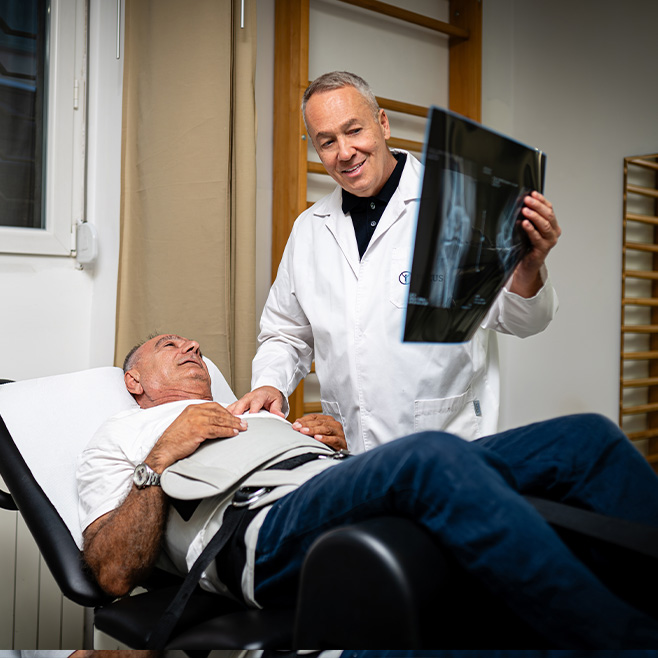
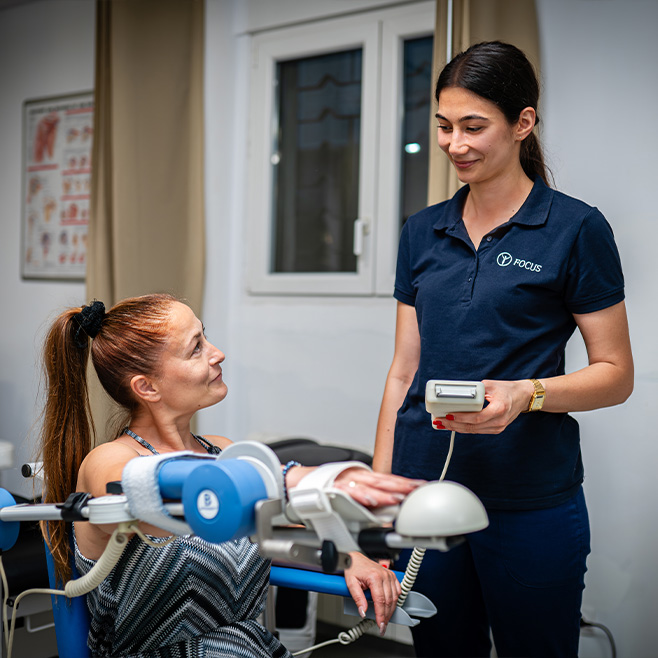
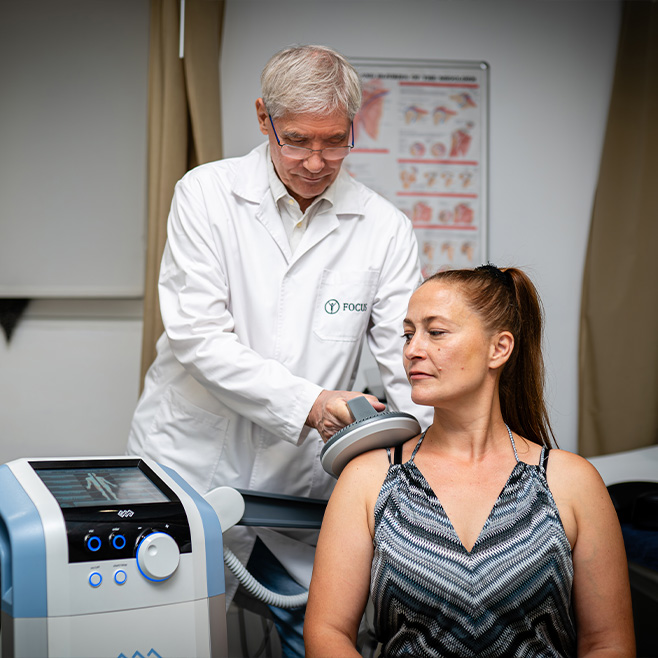
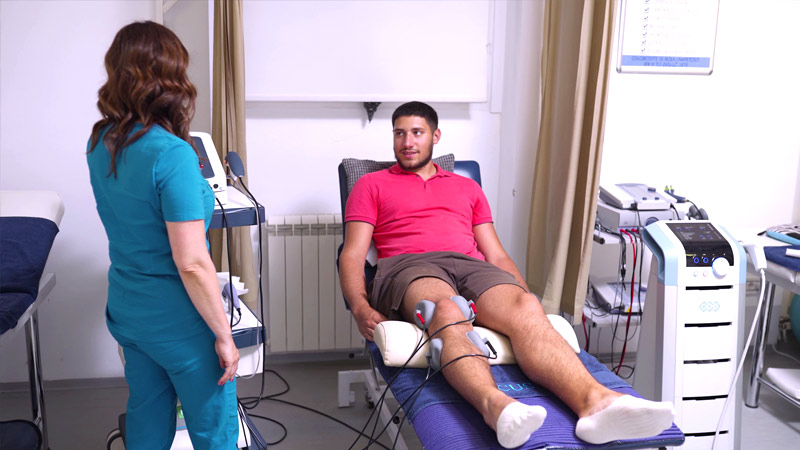

See the experiences of our satisfied patients who successfully recovered with the help of our physical therapy. Get acquainted with the testimonies of patients who faced various joint injuries, sports knee injuries, back injuries and similar problems, which we quickly, efficiently and successfully treated.
Aesthetic surgery
Focus Fizikal is a leading private clinic for physical therapy in Belgrade. For more than 10 years, we have been providing high-quality services that enable quick recovery and healing of our patients.




For all our current and future patients, we have made it possible to schedule an appointment online.



pon-pet:
08:00 - 20:00subota:
08:00 - 15:00


Mon-Fri:
08:00 - 20:00Saturday:
08:00 - 15:00