 +381 64 469 73 73
  Pain below the knee on the inner side
  Symptoms
  Causes
  Treatment
  FAQ
FAQ  Prices
  Gallery
  Testimonials
  Special offer
  Why choose us?
Cash
Through a current account
Focus Physical Therapy 100% guarantees fast and effective treatment.
SUPER DISCOUNT! 20% off all therapies in June! Call us 24/7!
Do not treat yourself based on information from the Internet!


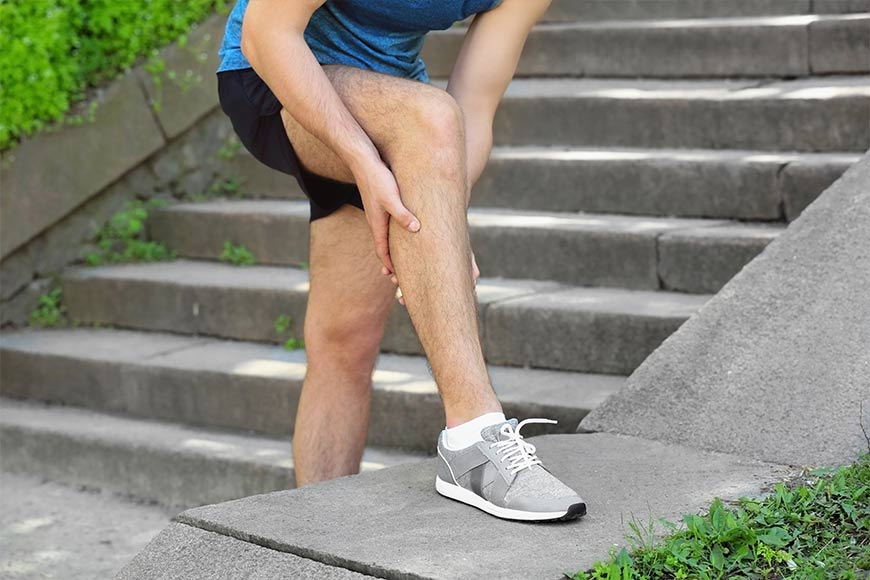
Pain localized to the inner (medial) side of the knee, just below the joint line, is a common issue affecting a wide range of patients, from recreational runners to older individuals with degenerative changes. This region is characterized by the attachment of three important leg muscles that form a structure known as the "goose foot" (pes anserinus), which plays a role in stabilizing the knee and controlling the rotation of the lower leg. Since the inner side of the knee bears the majority of the body’s static load, the soft tissues and bursae in this area are highly susceptible to inflammatory processes caused by friction and pressure.
The anatomical composition of the inner knee also includes the medial meniscus and the medial collateral ligament, both of which are crucial in preventing excessive lateral movement of the joint. When biomechanical balance is disrupted, whether due to flat feet or a "knock-knee" (valgus) position, the inner structures can become chronically stretched and irritated. Understanding the relationship between the internal ligaments and muscle attachments is essential for determining the exact source of pain and making an accurate diagnosis. Timely physical therapy assessment of the medial segment prevents the development of chronic bursitis and preserves the integrity of the inner cartilage of the joint.
The symptomatology of pain on the inner side of the knee varies from mild tenderness to sharp pain that occurs with each step or when attempting to climb stairs. Patients often describe pain that is most pronounced in the morning after waking up or after prolonged periods of rest, which may subside during light movement but intensifies again with increased activity. The clinical picture is typical of inflammatory processes at the points where tendons cross over bony prominences.
The most common symptoms accompanying pain below the knee on the inner side include:
All of these signs are clear indicators that the medial structures are bearing a load that exceeds their ability to adapt to the strain. Properly recognizing these symptoms in the early stages allows for targeted measures to quickly reduce inflammation and restore comfort during movement.
The causes of pain on the inner side of the knee are most commonly associated with mechanical overload and anatomical variations that alter the distribution of forces within the joint. Factors such as obesity, a sudden increase in physical activity, or prolonged standing on hard surfaces lead to irritation of the bursae and tendon attachments. Although the pain is felt locally, the root of the problem often lies in poor foot static or muscle imbalances that control hip movement.
The main causes of pain on the inner side of the knee include:
Accurately identifying the cause allows for the creation of a treatment plan that will permanently eliminate irritation and correct the biomechanical source of the problem. Each of these causes requires a specific approach to strengthening and stretching to properly relieve the inner side of the knee.
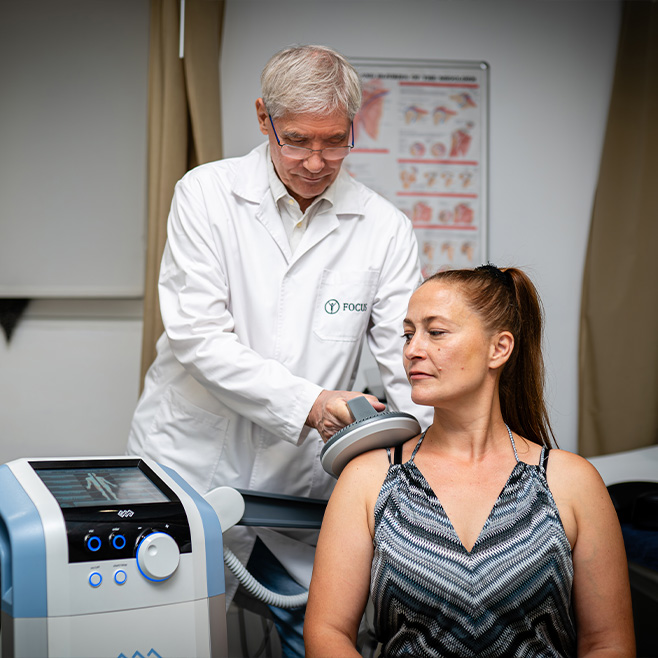
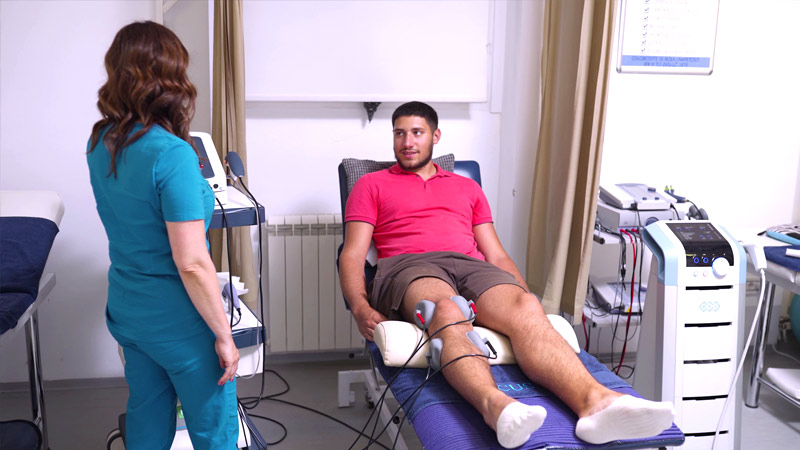
Our approach to treating pain on the inner side of the knee (medial region) at Focus Physical Therapy Center is strictly individualized and focused on the rapid elimination of the cause, from inflammation of the "goose foot" tendons (pes anserinus) and bursitis, to lesions of the medial meniscus and medial collateral ligament. We use the latest medical technology to quickly control inflammation, eliminate mechanical friction, and regenerate joint structures, providing you with stability, muscle strength, balance, and pain-free movement.
The Rehabilitation Process Includes:
The comprehensive application of these advanced methods at Focus Physical Therapy Center guarantees maximum treatment effectiveness, even in cases of chronic inflammation on the inner side of the knee. With our personalized approach, you will restore functional balance in your legs and be able to enjoy movement without fear of pain or further cartilage damage.
Could flat feet be the cause of inner knee pain?
Yes, lowered arches cause the knee to rotate slightly inward with each step, which constantly stretches and irritates the internal ligaments and tendons. Making individual orthopedic insoles is often an indispensable part of a permanent solution to this problem.
How long does it take to recover from athlete's foot?
Recovery time depends on the severity of the inflammation, but with regular physical therapy and following advice on off-loading, significant improvement is usually achieved after three to four weeks. Consistency in performing stretching exercises is key to preventing the recurrence of symptoms.
When is pain on the inside of the knee a sign for a surgical consultation?
Surgical intervention is considered only in cases of severe injuries to the meniscus or ligaments that cause joint blockages, while the vast majority of internal pain can be successfully resolved conservatively. Regular physical therapy and muscle strengthening are the most effective ways to avoid surgery.
How to distinguish between tendon inflammation and a medial meniscus injury?
Tendon inflammation (bursitis) is usually localized lower, on the shinbone itself, often with mild swelling. A meniscus injury is felt deeper within the joint, where the femur and tibia meet, and is often accompanied by a clicking or "locking" sensation.
Is rest mandatory while experiencing pain on the inner side of the knee?
Strict rest is rarely recommended. The key is kinesitherapy – specific stretching of the inner hamstrings and strengthening of the hip stabilizers. This offloads the inner knee and allows painless movement without muscle loss.
Cash
Through a current account
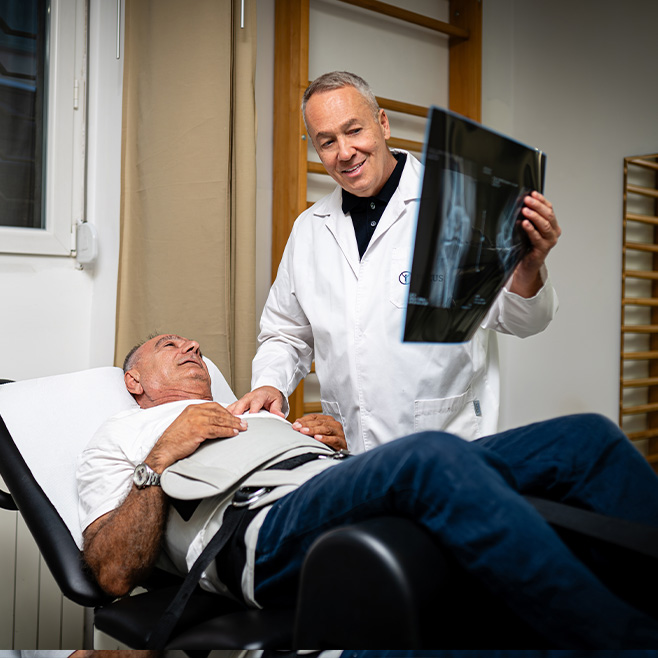
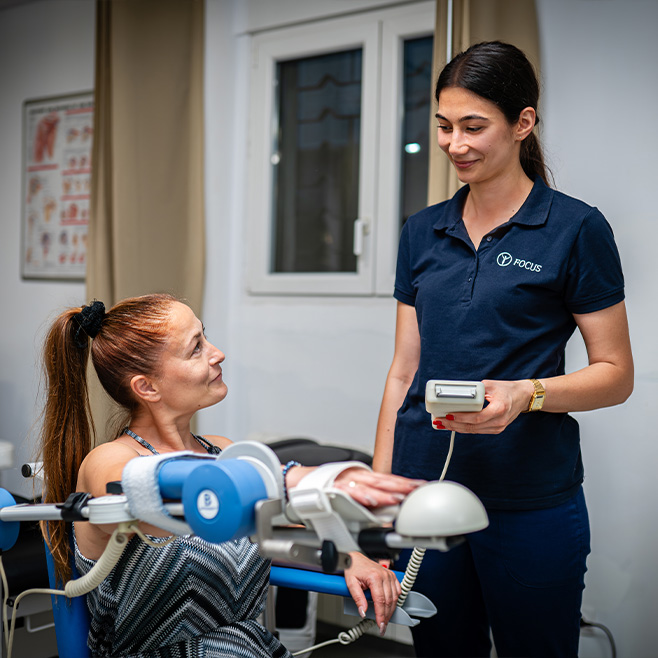

See the experiences of our satisfied patients who successfully recovered with the help of our physical therapy. Get acquainted with the testimonies of patients who faced various joint injuries, sports knee injuries, back injuries and similar problems, which we quickly, efficiently and successfully treated.
Aesthetic surgery
Focus Fizikal is a leading private clinic for physical therapy in Belgrade. For more than 10 years, we have been providing high-quality services that enable quick recovery and healing of our patients.




For all our current and future patients, we have made it possible to schedule an appointment online.



pon-pet:
08:00 - 20:00subota:
08:00 - 15:00


Mon-Fri:
08:00 - 20:00Saturday:
08:00 - 15:00