 +381 64 469 73 73
  Pain below the kneecap
  Symptoms
  Causes
  Treatment
  FAQ
FAQ  Prices
  Gallery
  Testimonials
  Special offer
  Why choose us?
Cash
Through a current account
Focus Physical Therapy 100% guarantees fast and effective treatment.
SUPER DISCOUNT! 20% off all therapies in June! Call us 24/7!
Do not treat yourself based on information from the Internet!


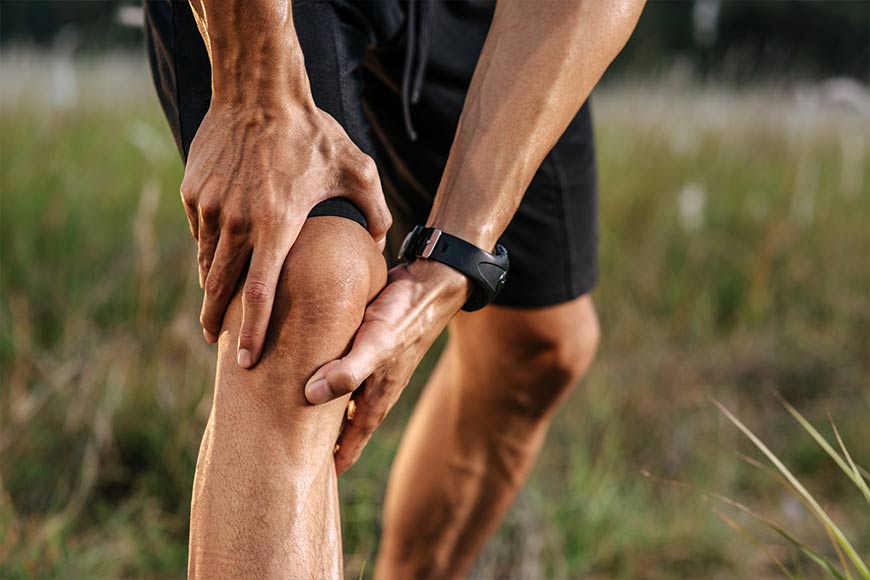
Pain just below the kneecap is one of the most common reasons for visiting a physical therapist, especially among individuals who are physically active or whose job requires prolonged movement. This region encompasses the patellar tendon, which connects the kneecap (patella) to the upper part of the shin and plays a key role in transferring force from the thigh muscles when straightening the leg. Since the knee endures significant pressure with every step, jump, or squat, the structures below the kneecap are particularly vulnerable to microtrauma and inflammatory processes.
The anatomy of the knee is designed to absorb shocks, but when the load exceeds the regenerative capacity of the tendon, a condition known as patellar tendinitis develops. Pain usually occurs gradually, often as mild discomfort after physical exertion, but without proper treatment, it can evolve into a chronic condition that limits basic functions such as walking down stairs. Understanding the biomechanics of the knee joint and the interaction of the thigh muscles is crucial for accurate diagnosis. Timely physical therapy intervention in the early stages prevents further weakening of the tendon and the onset of degenerative changes in the knee cartilage.
The symptomatology of pain below the kneecap varies depending on the stage of tendon damage and the level of inflammation in the soft tissues surrounding the joint. Patients most commonly describe the pain as a dull sensation that worsens with specific movements, while in complete rest, the symptoms often subside, which can create a false sense of recovery. The clinical picture is typical of overuse syndromes, where the intensity of the discomfort progressively changes with the level of activity.
The most common symptoms accompanying pain below the kneecap include:
All these symptoms clearly indicate that the patellar tendon is experiencing chronic overload, which requires expert evaluation and a change in activity regimen. Recognizing these early warning signs allows the patient to avoid prolonged breaks and return to daily activities more quickly.
The causes of pain below the kneecap are most often associated with a sudden increase in the intensity of physical activity or repetitive movements that strain the knee's extensor mechanism. Factors such as hard running surfaces, inadequate footwear, or congenital anatomical variations in the position of the kneecap further contribute to the development of inflammation. Although it is commonly referred to as "jumper's knee," this issue also affects individuals who do not participate in sports, due to weakness in the muscles that should stabilize the joint.
The main causes of pain below the kneecap include:
Understanding these causes is essential for developing a rehabilitation plan that will address the issue permanently rather than just temporarily alleviating the pain. Each cause requires a specific approach to strengthening and stretching to restore the biomechanics of the knee
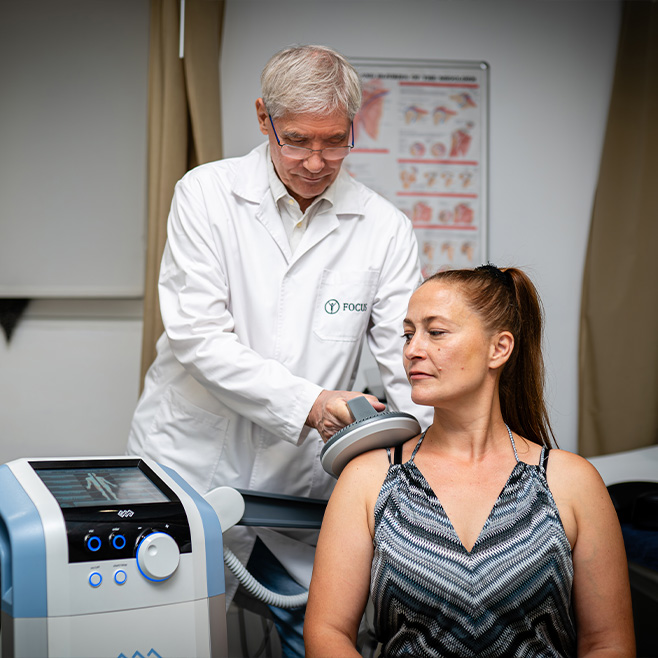
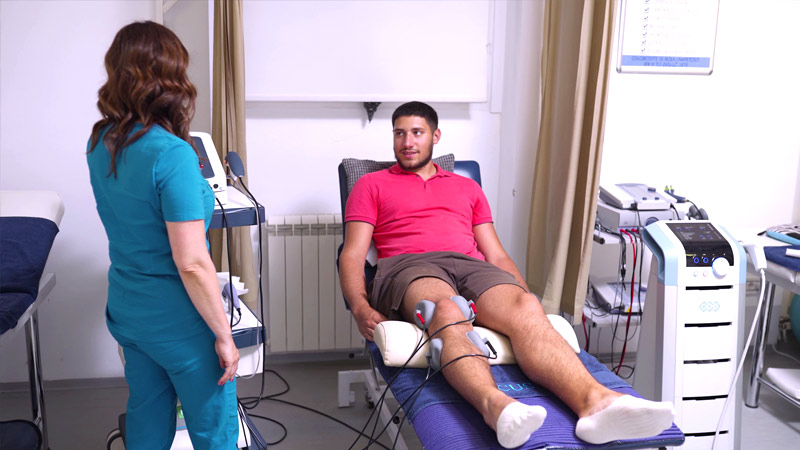
Our approach to treating pain below the patella at Focus Physical Therapy Center is individualized and focused on permanently addressing the root cause, not just masking symptoms. We combine cutting-edge medical technology with targeted exercises to regenerate the tendon, eliminate inflammation, and restore full stability with every step.
The process includes:
Ongoing implementation of preventive exercises after completing therapy ensures that your knee remains healthy and resilient against future sports demands or daily activities. This comprehensive treatment at our center not only eliminates pain but also significantly improves the overall stability and strength of the entire
Why does pain occur directly below the kneecap?
Pain in this region is most often a result of inflammation of the patellar tendon, which connects the kneecap to the shinbone. Due to repetitive movements, jumping, or prolonged walking on hard surfaces, micro-injuries develop in the tendon that the body cannot heal on its own. Additionally, pain may arise from the inflammation of the infrapatellar fat pad, located just below the kneecap, which serves as a cushion and can become pinched during certain leg movements.
What are the most effective therapies for treating pain beneath the kneecap?
At the Focus Physical Therapy Center, modern methods are used that directly target the recovery of tendon tissue. A highly effective combination has proven to be tecar therapy, which accelerates metabolism within the tendon itself, and high-power laser therapy that penetrates deeply and eliminates the inflammatory process. These procedures reduce tension and allow the patient to return to activities without the characteristic feeling of tightness and "radiating" pain in the knee.
How long does the recovery process of the tendon beneath the knee take?
Tendons are a specific tissue type that is less vascularized than muscles, so the healing process requires patience and consistency. Significant pain reduction is usually achieved after five to seven physical therapy sessions, but complete tendon regeneration and return to sports activities often require a cycle of ten to fifteen days. It is important not to stop therapy once the pain subsides, to ensure that the tissue becomes strong enough for future loads.
Is it allowed to exercise while the pain under the kneecap lasts?
During the acute phase, when the pain is sharp and present with every step, it is recommended to refrain from activities that directly stress the anterior knee apparatus. However, physical therapy always includes specific isometric exercises that maintain muscle tone without irritating the painful tendon. Complete rest is rarely advised, as controlled and dosed movements under the supervision of a therapist are essential for the proper alignment of new collagen fibers in the tendon.
When is pain below the kneecap a sign that professional help is needed?
If pain occurs every time you walk down stairs, if you notice swelling directly below the kneecap, or if the knee feels stiff after prolonged sitting, it is time for an examination. Ignoring these symptoms can lead to chronic tendinopathy, where the tendon loses its elasticity and becomes prone to more severe injuries, so timely physical therapy intervention is the best way to permanently eliminate the problem.
Cash
Through a current account
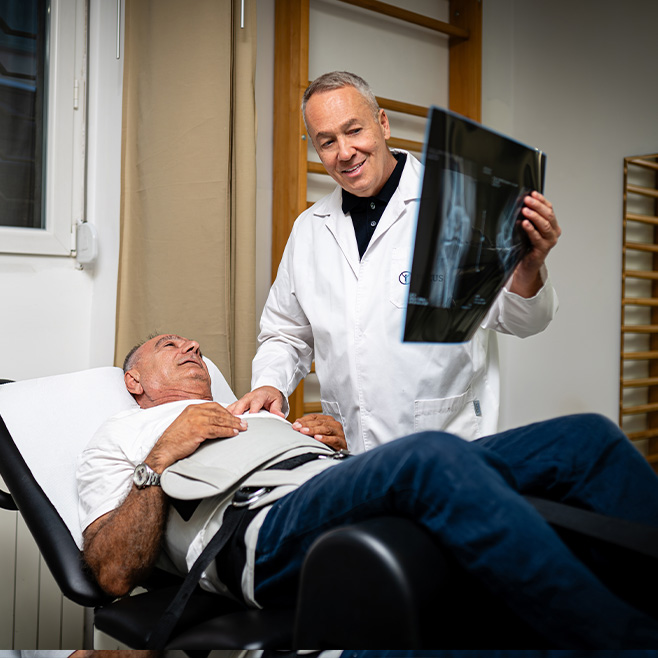
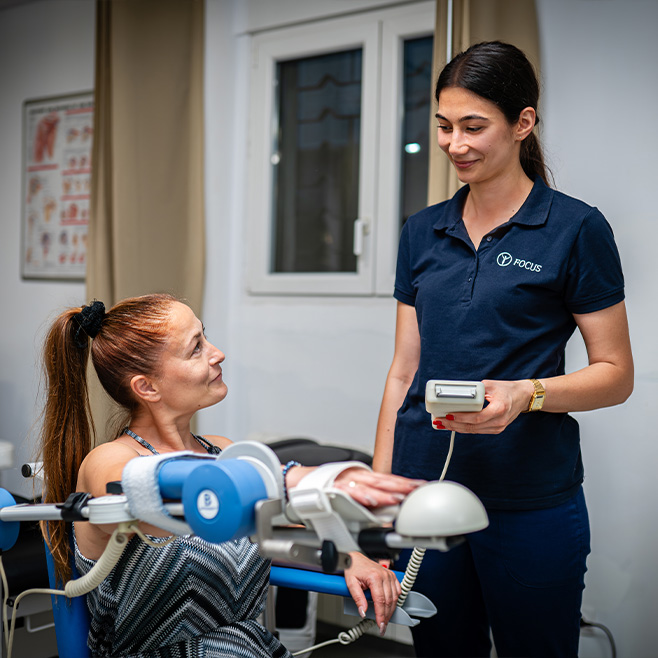

See the experiences of our satisfied patients who successfully recovered with the help of our physical therapy. Get acquainted with the testimonies of patients who faced various joint injuries, sports knee injuries, back injuries and similar problems, which we quickly, efficiently and successfully treated.
Aesthetic surgery
Focus Fizikal is a leading private clinic for physical therapy in Belgrade. For more than 10 years, we have been providing high-quality services that enable quick recovery and healing of our patients.




For all our current and future patients, we have made it possible to schedule an appointment online.



pon-pet:
08:00 - 20:00subota:
08:00 - 15:00


Mon-Fri:
08:00 - 20:00Saturday:
08:00 - 15:00