 +381 64 469 73 73
  Pain down the left leg
  Symptoms
  Causes
  Treatment
  FAQ
FAQ  Prices
  Gallery
  Testimonials
  Special offer
  Why choose us?
Cash
Through a current account

Focus Physical Therapy 100% guarantees fast and effective treatment.
SUPER DISCOUNT! 20% off all therapies in June! Call us 24/7!
Do not treat yourself based on information from the Internet!


Pain radiating down the left leg is one of the most common symptoms of a mechanical disorder in the lower spine, involving irritation or direct pressure on the sciatic nerve. This nerve is the longest and thickest in the body, and its function is to transmit motor and sensory signals from the sacral spine down to the toes. Given that the left leg undergoes specific strain in many people during driving or improper sitting, the structures surrounding the nerve in the hip and lower back region become susceptible to inflammation and spasms.
The anatomy of the lumbar region on the left side includes the exit points of nerve roots L4, L5, and S1, which merge into the common sciatic nerve trunk before it passes through the deep muscles of the gluteal region. When an intervertebral disc slips out of its place or when bony channels narrow, the nerve becomes compressed, which the patient feels as a painful path along the entire leg. Understanding the relationship between left hip stability and lower back mobility is crucial for determining the exact point of pressure. A timely physiotherapeutic evaluation of neurological tests on the left leg prevents permanent damage to walking function and preserves muscle mass.
Symptoms of pain down the left leg vary from a dull, deep discomfort in the gluteal region to a sharp, shooting pain resembling an electric shock along the thigh and calf. Patients often describe an intensification of symptoms during prolonged standing, sudden movements upon rising, or at night when the body is at rest. The clinical picture is specific because the pain rarely stays localized in just one part of the leg; instead, it tends to migrate and change in intensity depending on the position of the torso.
The most common symptoms accompanying pain down the left leg include:
Shooting pain originating from the lower back, passing through the left gluteal region, and descending down the back or outer side of the leg.
A sensation of numbness, tingling, or loss of feeling in specific parts of the foot or the side of the lower leg.
Muscle weakness in the left leg, most commonly manifesting as instability when putting weight on the leg or difficulty pulling the toes toward oneself.
Increased sensitivity and pain are provoked by coughing, sneezing, or any strain of the abdominal muscles.
A feeling of coldness in the foot or calf, which may be accompanied by cramps in the hamstring muscles.
All these signs are clear indicators that the sciatic nerve on the left side is undergoing compression that requires professional decompression and specific physical treatment. Timely recognition of these symptoms allows for faster regeneration of nerve tissue and prevents the development of chronic pain.
The causes of pain down the left leg are most often associated with degenerative changes in the spinal column, but they can also be caused by muscle imbalance in the pelvic region. Factors such as prolonged sitting in an asymmetrical position, sudden heavy lifting, or sports injuries directly affect pressure changes within the intervertebral spaces. Although the patient feels symptoms in the leg, the root of the problem is, in most cases, located in the lumbar spine.
The primary causes of pain down the left leg are:
Precisely identifying the cause of pain allows for the creation of an individual treatment plan that will permanently release the nerve from pressure and correct body statics. Each of these causes requires a specific approach in strengthening and mobilization to achieve lasting relief for the left leg.
Treatment of pain down the left leg at the Focus Physical Therapy center is based on the application of decompression methods and accelerated regeneration of the nerve trunk through state-of-the-art physical procedures. The therapeutic protocol begins with a phase of calming acute irritation, after which the focus shifts to establishing stability in the lower back and hip. Successful rehabilitation involves removing mechanical pressure and educating the patient on proper ergonomic positions.
A modern rehabilitation approach includes the following phases:
Continuous implementation of the recommended exercise program is key to maintaining the achieved results and preventing the recurrence of sciatica. Such a comprehensive treatment restores the patient's confidence in their legs and enables a return to all life activities without pain or numbness.
What most commonly causes pain radiating down the leg?
The most frequent cause is a herniated disc in the lumbar spine, where the disc directly compresses a nerve root. Another common cause is Piriformis syndrome, where a deep buttock muscle becomes tight and presses on the sciatic nerve.
How to distinguish between nerve-related and muscle-related pain?
Nerve pain is usually described as an "electric" or shooting sensation, often accompanied by numbness or tingling. Muscle pain is typically localized, dull, and intensifies during movement or direct pressure on the muscle.
Which physical procedures fastest reduce radiating leg pain?
We use a high-power HILT laser, which reaches the inflamed nerve to reduce pain and accelerate healing. Additionally, TECAR therapy is applied to relax deep muscle spasms, creating space around the nerve and improving circulation throughout the leg.
Is foot numbness a red flag?
Constant numbness or muscle weakness (e.g., "foot drop") is a sign that the nerve is under significant pressure. Timely physical therapy is crucial in these cases to prevent permanent nerve damage and the need for surgery.
Which exercises help with pain down the left leg?
Once the acute pain is managed, we introduce kinesitherapy. The focus is on spinal decompression, core stabilization, and specific stretches that release the nerve. Strengthening the muscles to support the spine is the only way to permanently eliminate the pain.
Cash
Through a current account
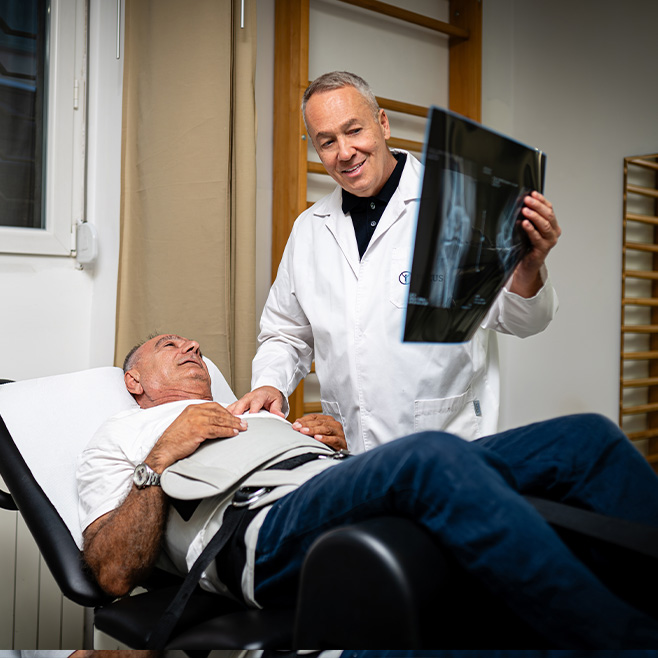
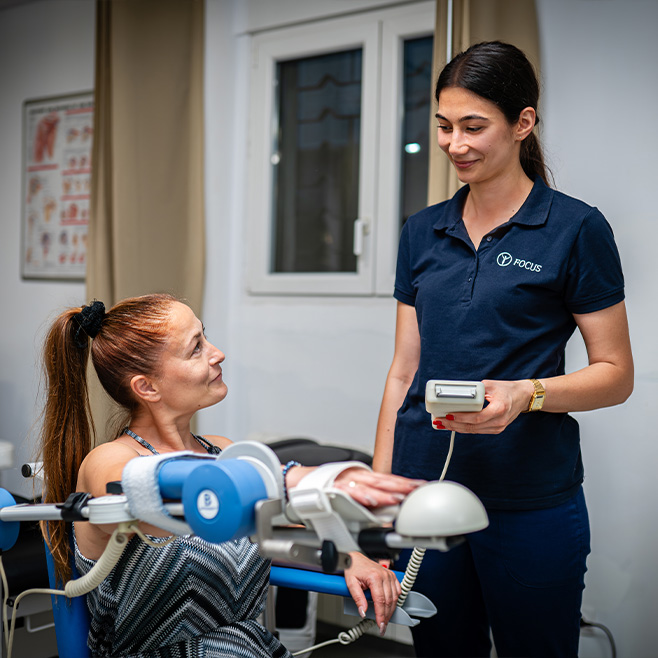
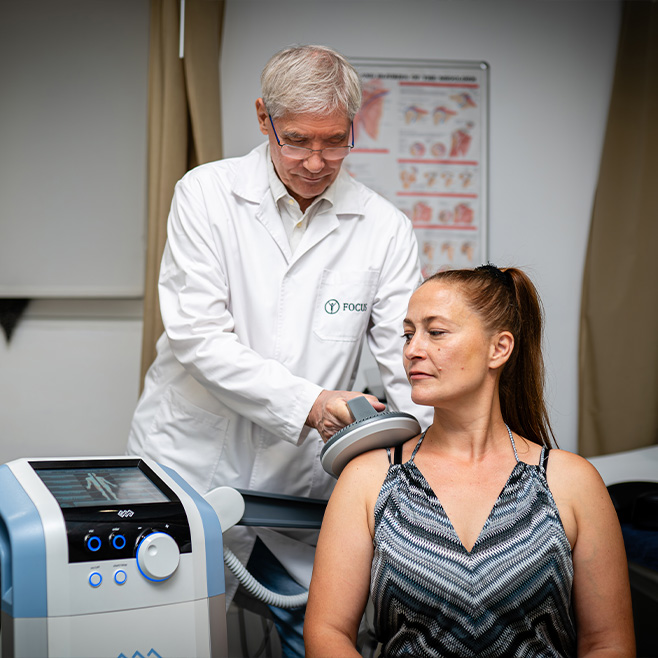
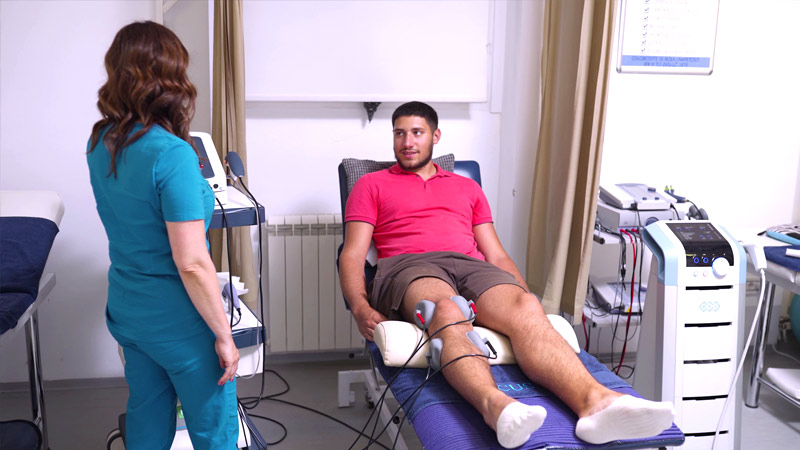

See the experiences of our satisfied patients who successfully recovered with the help of our physical therapy. Get acquainted with the testimonies of patients who faced various joint injuries, sports knee injuries, back injuries and similar problems, which we quickly, efficiently and successfully treated.
Aesthetic surgery
Focus Fizikal is a leading private clinic for physical therapy in Belgrade. For more than 10 years, we have been providing high-quality services that enable quick recovery and healing of our patients.




For all our current and future patients, we have made it possible to schedule an appointment online.



pon-pet:
08:00 - 20:00subota:
08:00 - 15:00


Mon-Fri:
08:00 - 20:00Saturday:
08:00 - 15:00