 +381 64 469 73 73
  Pain from the spine down the leg
  Symptoms
  Causes
  Treatment
  FAQ
FAQ  Prices
  Gallery
  Testimonials
  Special offer
  Why choose us?
Cash
Through a current account

Focus Physical Therapy 100% guarantees fast and effective treatment.
SUPER DISCOUNT! 20% off all therapies in June! Call us 24/7!
Do not treat yourself based on information from the Internet!


The pain that originates from the spine and radiates down the leg is one of the most common reasons for visiting a physical therapist, and it is a symptom of pressure on the nerve roots in the lower back. The most well-known of these is the sciatic nerve, which is the longest and thickest nerve in the human body. It is formed by the merging of several nerve roots in the lower back and descends through the pelvic area, thigh, calf, and down to the toes. Since the lower spine bears the greatest portion of the body's weight and is subjected to constant mechanical stress, the structures that protect these nerves are often damaged or displaced from their natural position.
The anatomy of the lumbar region is specific because the intervertebral discs here are the most massive, serving to absorb the impact during walking and running. When degeneration or injury occurs to a disc, its contents can leak or protrude, directly pressing on the nerve exiting the spinal canal. This pressure is interpreted by the brain as pain, which doesn't stay confined to the back but travels along the entire nerve pathway down the leg. Understanding the connection between core muscle stability and pressure on the nerves is crucial for permanently resolving this issue. Timely diagnosis and physical therapy prevent the development of chronic nerve damage and help maintain normal walking function.
The symptoms of pain that radiate from the spine down the leg can range from dull discomfort to sharp, shooting sensations, which patients often compare to an electric shock. It is characteristic that the intensity of the pain changes depending on body position, with discomfort often worsening during prolonged sitting, sudden standing, or bending forward. The clinical picture is specific because the pain follows the precise pathway of the nerve, leaving a feeling of tightness and tension throughout the entire limb.
The most common symptoms accompanying pain from the spine down the leg include:
These signs are clear indicators that the nerve roots in the spine are compromised and require expert decompression. Recognizing the symptoms early allows for faster nerve tissue regeneration and prevents the development of muscle atrophy in the leg.
The etiology of pain that radiates from the spine down the leg is most commonly associated with mechanical changes in the intervertebral discs, but it can also be caused by bony constrictions. Factors such as sudden lifting of heavy loads, prolonged work in non-physiological positions, or excessive body weight directly contribute to the accelerated wear of spinal structures. Although the patient feels pain in the leg, the primary source of the problem is located in the lower back, where the nerves are compressed.
The main causes of pain from the spine down the leg are:
Accurately determining the location of the pressure allows for the creation of an individualized treatment plan that will permanently relieve the nerve and correct improper loading. Each of the mentioned causes requires a specific rehabilitation approach to achieve long-term relief and prevent recurrences.
At Focus Physical Therapy, our approach to treating pain radiating from the spine down the leg is individualized and focused on permanently eliminating the root cause — pressure on the nerve root — rather than simply masking the symptoms. We use the most advanced global protocols for non-surgical decompression and regenerative physical medicine to free you from pain, tingling, and weakness in the legs.
The process includes:
Consistent adherence to the recommended exercise program and education on protective postures during sitting and sleeping ensures the long-term maintenance of the achieved results. This comprehensive treatment at Focus Physical Therapy not only eliminates pain radiating down the leg but also restores full stability and allows a return to all life activities without limitations.
Why does pain from the spine radiate down the entire length of the leg?
The sciatic nerve is the longest nerve in the human body, originating from the lower back, passing through the gluteal region, and traveling down the leg. When a herniated disc, spinal stenosis, or muscle spasm causes pressure on this nerve at its source, the brain registers pain along its entire path. This is why patients often feel "shooting" or "electrical" sensations in the calf or foot, even though the actual cause of the problem is in the spine.
What are the most effective methods for releasing a compressed nerve?
At the Focus Physical Therapy center, we apply a combination of state-of-the-art devices and manual therapy. High-inductive magnetism is crucial as it penetrates deep to the nerve itself and reduces inflammation, while tecar therapy accelerates circulation and relaxes muscles that exert additional pressure. Manual decompression techniques performed by a physical therapist help to slightly increase the space between the vertebrae, thereby releasing the nerve from mechanical pressure.
Does tingling in the leg mean that nerve damage is permanent?
Tingling, pins and needles, or a cold sensation are signs of nerve irritation, but in most cases, they are not signs of permanent damage if therapy is started in time. These symptoms are the body's warning that the flow of impulses through the nerve is obstructed. With timely physical therapy and regenerative methods, the nerve's function fully recovers, and the unpleasant sensations in the leg gradually disappear.
How many treatments are needed for the pain to move from the leg back to the back?
The process where pain "retracts" from the leg toward the source in the spine is called centralization and is the primary goal of rehabilitation. Most patients feel relief and a reduction in the intensity of shooting pain down the leg after three to five treatments. For complete stabilization and a safe return to daily activities, a cycle of ten to fifteen working days is usually recommended, depending on the degree of compression.
When is leg pain a reason for an urgent physical therapy consultation?
If you feel a sudden loss of strength in the foot (for example, inability to stand on your heel or toes), if the leg becomes "heavy," or if you notice a loss of sensation in the groin area, it is necessary to start therapy immediately. These symptoms indicate more severe pressure requiring urgent decompression in our center to prevent permanent neurological consequences and preserve leg muscle function.
Cash
Through a current account
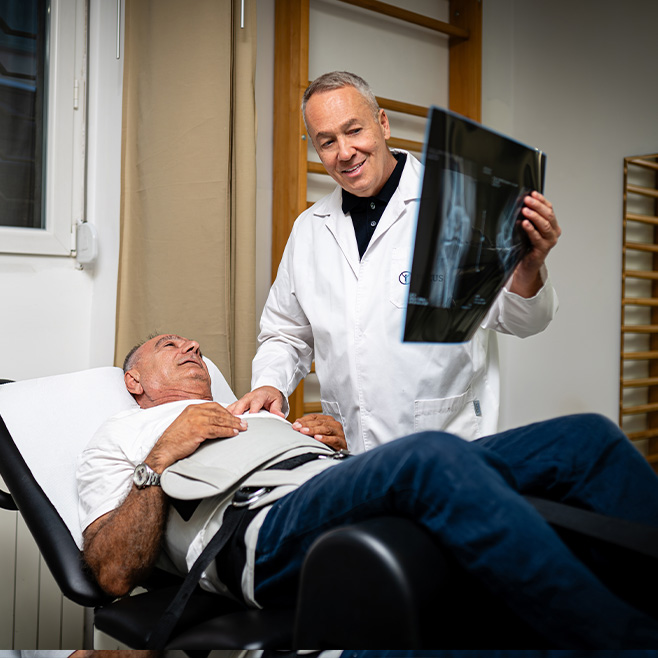
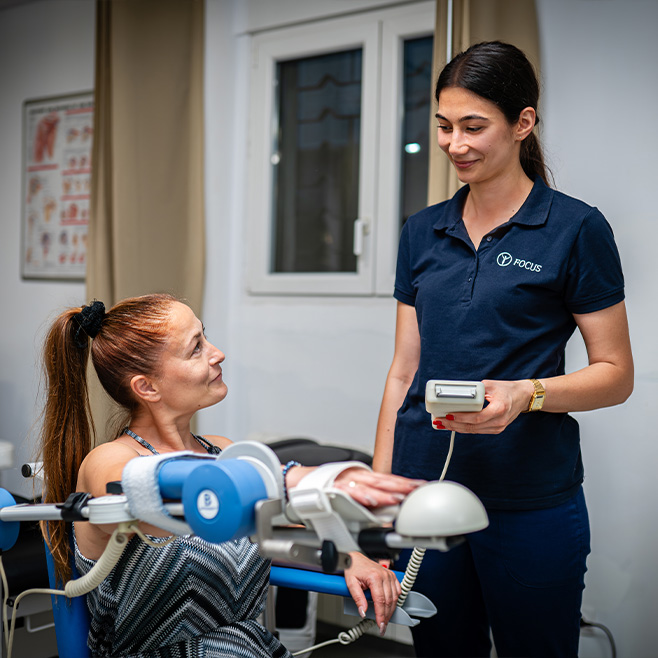
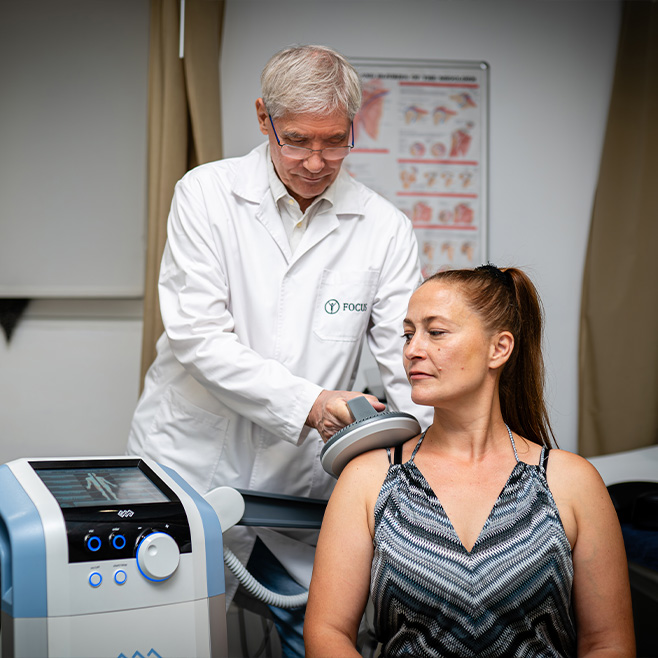
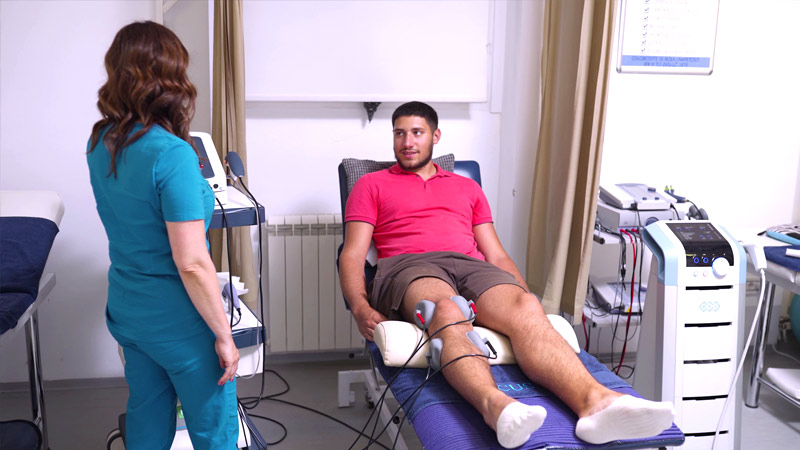

See the experiences of our satisfied patients who successfully recovered with the help of our physical therapy. Get acquainted with the testimonies of patients who faced various joint injuries, sports knee injuries, back injuries and similar problems, which we quickly, efficiently and successfully treated.
Aesthetic surgery
Focus Fizikal is a leading private clinic for physical therapy in Belgrade. For more than 10 years, we have been providing high-quality services that enable quick recovery and healing of our patients.




For all our current and future patients, we have made it possible to schedule an appointment online.



pon-pet:
08:00 - 20:00subota:
08:00 - 15:00


Mon-Fri:
08:00 - 20:00Saturday:
08:00 - 15:00