 +381 64 469 73 73
  Pain in sciatica
  Symptoms
  Causes
  Treatment
  FAQ
FAQ  Prices
  Gallery
  Testimonials
  Special offer
  Why choose us?
Cash
Through a current account

Focus Physical Therapy 100% guarantees fast and effective treatment.
SUPER DISCOUNT! 20% off all therapies in June! Call us 24/7!
Do not treat yourself based on information from the Internet!


Sciatica pain represents a specific neurological syndrome that occurs due to irritation or pressure on the sciatic nerve (nervus ischiadicus), the largest and longest nerve in the human body. This nerve originates from the lower back, passes through the buttock region, and descends down the back of the leg all the way to the foot, controlling a large number of muscles and transmitting sensations from the lower extremities. Since the sciatic nerve is formed by the merging of five smaller nerve roots in the lumbar and sacral regions of the spine, any changes in the lower vertebrae can cause intense pain that radiates along the entire leg.
Anatomically speaking, sciatica is not a disease in itself, but rather a symptom of an underlying problem that is most often found in the lumbar spine, where a disc or bone spur exerts mechanical pressure on the nerve tissue. When compression occurs, the nerve becomes inflamed and swollen, disrupting normal impulse transmission and causing the characteristic discomfort in the legs. Understanding the exact path of the nerve and the location where it is compressed is crucial for determining an effective therapeutic approach. Timely physical therapy diagnosis prevents long-term nerve fiber damage and allows the patient to regain full mobility without the need for surgical intervention.
The symptomatology of sciatica pain is very distinctive and typically occurs on only one side of the body, following the precise path of the nerve from the lower back to the foot. Patients often describe sensations that range from mild discomfort and tingling to sharp, electric shocks that occur with certain movements or coughing. The clinical picture directly depends on the level at which the nerve is compressed and the degree of inflammation of the surrounding soft tissues in the spinal canal.
The most common symptoms accompanying sciatica pain include:
All of these signs are clear indicators that the sciatic nerve is undergoing significant strain, which requires expert evaluation and targeted therapy for relief. Properly identifying these early neurological signs is crucial in preventing permanent motor deficits and chronic pain.
The causes of sciatica pain are most often related to mechanical changes in the intervertebral discs that directly affect the space where the nerve roots are located. Factors such as aging, obesity, heavy physical labor, or genetic predisposition accelerate degenerative processes in the spine. Although the patient feels the pain most intensely in the leg, the cause is found in over ninety percent of cases in the lumbar region of the back, where the nerves exit the spine.
The main causes of sciatica pain are:
of the pressure allows for the creation of a treatment plan that will permanently relieve the nerve and allow it to function without obstruction. Each of the listed causes requires a specific rehabilitation approach to achieve lasting results and prevent the recurrence of symptoms.
At Focus Physical Therapy Center, our approach to treating sciatica is individualized, targeting the root cause — nerve compression — and not just masking the symptoms. We use the world’s most advanced non-surgical decompression protocols and regenerative physical medicine to relieve your leg pain and restore full mobility.
Our treatment process includes:
Ongoing implementation of the recommended exercise program and education on protective postures is key to maintaining the achieved results and ensuring long-term spinal health. This comprehensive treatment at our center not only eliminates sciatica but also restores complete confidence in your movement, allowing you to perform all daily and professional tasks pain-free, without the fear of sciatica returning.
What exactly is sciatica and why does pain radiate down the leg?
Sciatica represents the inflammation or compression of the longest nerve in the human body, the sciatic nerve. Pain occurs when a herniated disc, bone spurs, or muscle spasms press against the nerve root in the lower back. The body registers this pressure as a sharp, shooting pain that spreads from the lumbar region through the buttocks and down the back of the thigh, often reaching the foot.
What are the most effective non-surgical methods for treating sciatica?
At the Focus Physical Therapy center, we apply a combination of decompression manual therapy and modern medical devices. The best results are achieved with tecar therapy, which reduces swelling around the nerve, and high-inductive magnetism that stimulates the regeneration of nerve fibers. These procedures allow the pressure on the nerve to subside, directly eliminating the cause of the pain rather than just the symptoms.
Can sciatica pain resolve with rest alone?
Strict bed rest is no longer recommended as the primary solution for sciatica. While a short break from heavy activities helps during the acute phase, prolonged lying down can weaken the spinal stabilizer muscles and slow down circulation around the affected nerve. Physical therapy allows the patient to remain mobile while the inflammation is being treated, which is key to a faster return to normal life.
How many treatments are needed to feel relief from sciatica?
The speed of recovery depends on the degree of pressure on the nerve and how long the symptoms have been present. Most patients feel a significant reduction in shooting pain after the first three to four treatments. However, for the complete elimination of numbness and muscle stabilization, a cycle of ten to fifteen days is usually required to prevent the disc from returning to a painful position.
Can stretching exercises worsen sciatica pain?
Yes, aggressive and improper stretching during a phase of intense nerve inflammation can further irritate the tissue and increase pain. Exercises are introduced gradually into the rehabilitation process at the Focus Physical Therapy center, only after physical procedures have reduced the swelling around the nerve. Every movement must be strictly controlled and adapted to the patient's current condition to ensure that stretching is beneficial rather than harmful.
Cash
Through a current account
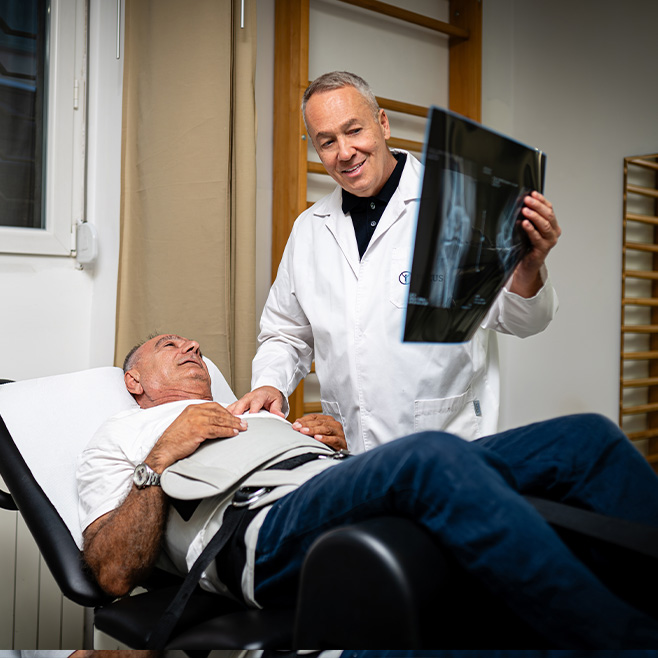
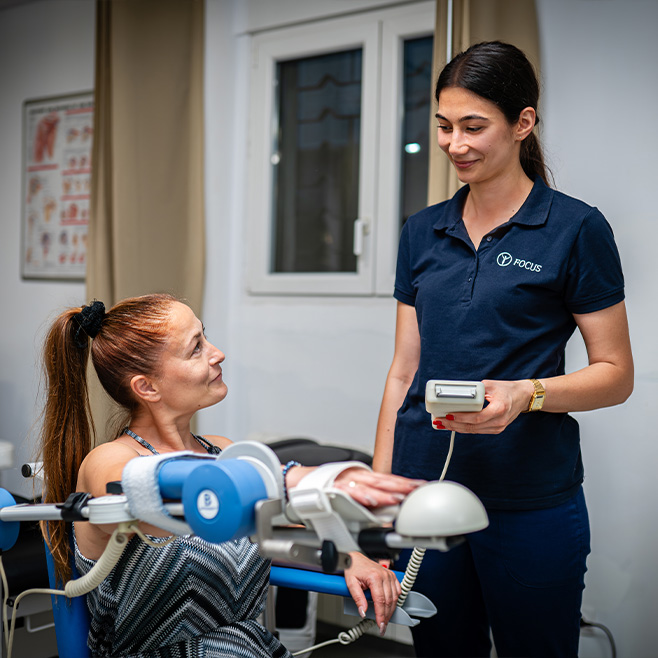
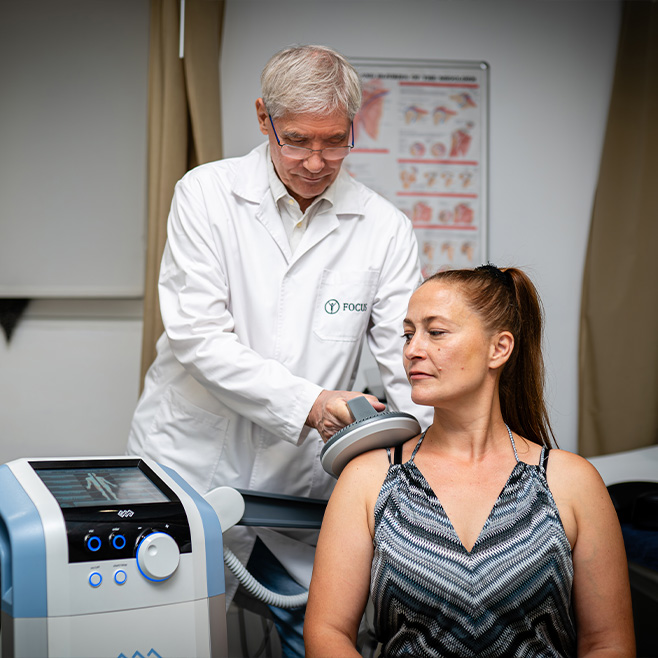
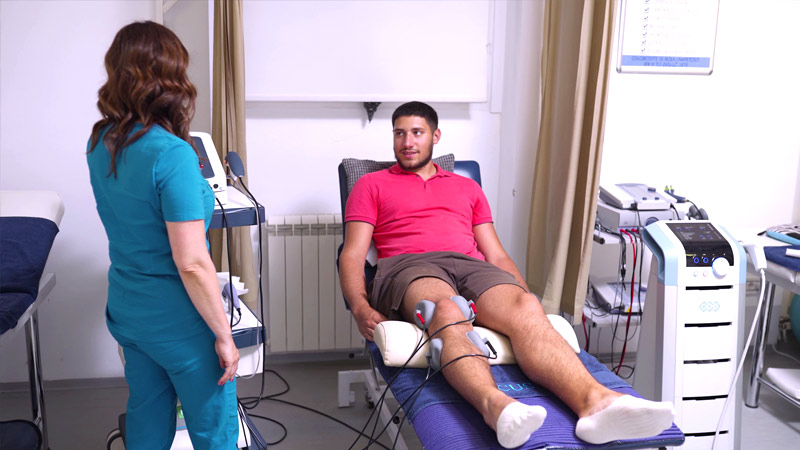

See the experiences of our satisfied patients who successfully recovered with the help of our physical therapy. Get acquainted with the testimonies of patients who faced various joint injuries, sports knee injuries, back injuries and similar problems, which we quickly, efficiently and successfully treated.
Aesthetic surgery
Focus Fizikal is a leading private clinic for physical therapy in Belgrade. For more than 10 years, we have been providing high-quality services that enable quick recovery and healing of our patients.




For all our current and future patients, we have made it possible to schedule an appointment online.



pon-pet:
08:00 - 20:00subota:
08:00 - 15:00


Mon-Fri:
08:00 - 20:00Saturday:
08:00 - 15:00