 +381 64 469 73 73
  Pain above the kneecap
  Symptoms
  Causes
  Treatment
  FAQ
FAQ  Prices
  Gallery
  Testimonials
  Special offer
  Why choose us?
Cash
Through a current account
Focus Physical Therapy 100% guarantees fast and effective treatment.
SUPER DISCOUNT! 20% off all therapies in June! Call us 24/7!
Do not treat yourself based on information from the Internet!


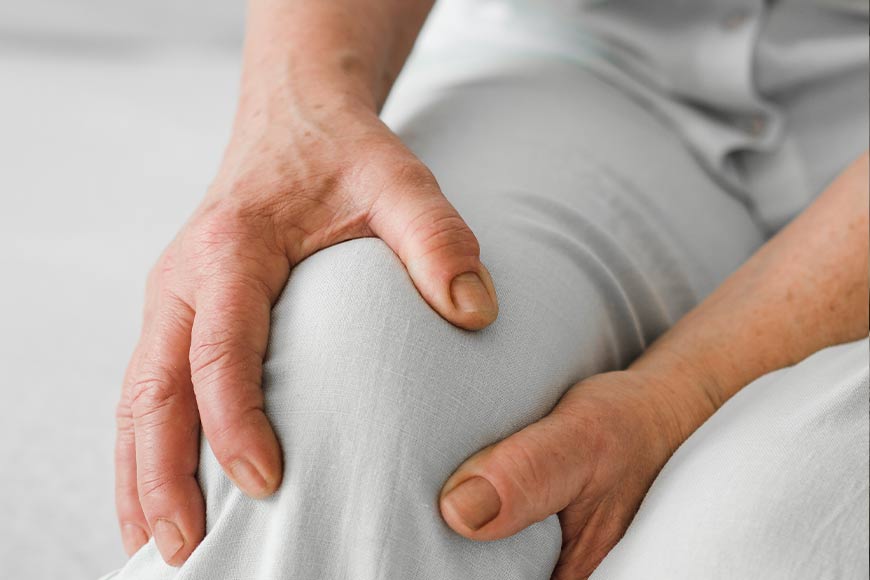
The pain that occurs just above the knee is most commonly localized in the area where the powerful muscle bundles of the quadriceps turn into tendon tissue, attaching to the upper edge of the patella. This zone is crucial for the stability and mobility of the leg, as it enables the transfer of the significant force required for knee extension, running, and jumping. Given that the lower part of the thigh endures continuous mechanical stress, the soft tissues in this region are susceptible to both acute injuries and chronic overuse syndromes.
Anatomically, this region includes the quadriceps tendon, the suprapatellar bursa, and the distal parts of the femur, which together form a complex lever system. When the balance between muscle strength and elasticity is disrupted, the attachments above the knee become painfully sensitive to any movement requiring a strong contraction of the thigh. Understanding the interaction between muscle fibers and tendon attachments is crucial for determining the exact nature of pain above the knee. Timely physical therapy assessment allows differentiation between ordinary muscle inflammation and more serious tendon damage.
The symptoms of pain above the knee can vary from a mild feeling of tightness after exercise to sharp, disabling pain that occurs with every step. Patients often describe sensations that intensify during specific loads, such as descending stairs or attempting a sudden stop while walking. The clinical picture is typical of processes affecting the extensor mechanism of the leg, often including changes in the quality of movement itself.
The most common symptoms accompanying pain above the knee include:
These symptoms are clear signs that the quadriceps tendon attachment is experiencing a load that exceeds its current regenerative capacity. Proper documentation of these symptoms helps the physical therapist define the extent of the damage more quickly and recommend appropriate rest measures.
The causes of pain above the knee are most often associated with repetitive microtraumas caused by improper exercise or sudden increases in physical exertion. Factors such as tightness in the hamstrings, weakness in the hip muscles, or the use of inadequate footwear further overload the front of the thigh. While the pain is felt locally, the root cause of the issue is often found in the biomechanical imbalance of the entire lower extremity.
The main causes of pain above the knee include:
Understanding these causes allows for the creation of an individualized rehabilitation plan that will permanently eliminate the pain and strengthen the sensitive area above the knee. Each of the mentioned causes requires a specific approach to strengthening and stretching the tissue in order to prevent re-injury.
Treatment of pain above the knee at the Focus Physical Therapy Center is based on the reduction of quadriceps tension and the stimulation of rapid healing of the tendon insertion. The therapeutic protocol combines advanced technologies for inflammation reduction with manual techniques that restore elasticity to muscle structures.
Successful rehabilitation involves a gradual and systematic return to activity, with progressive load increase without provoking pain or risking re-injury.
A modern rehabilitation approach includes the following phases:
Continuous implementation of an individually tailored exercise program is essential for maintaining results and ensuring long-term stability of the knee joint. This comprehensive approach restores full leg strength, confidence in movement, and allows pain-free participation in sports and daily activities.
What is quadriceps tendinitis and how is it identified?
It is an inflammation of the tendon that connects the large thigh muscle (quadriceps) to the top of the kneecap. It is identified by sharp pain at the very top of the knee, usually during physical exertion, while at rest, it feels like a dull stiffness.
Why does swelling occur above the kneecap?
Swelling in this region often indicates suprapatellar bursitis—inflammation of the fluid-filled sac that acts as a cushion between the tendon and bone. When the bursa is irritated, it secretes excess fluid, creating pressure and limiting knee flexion.
Which physical procedures fastest eliminate pain above the knee?
High-power HILT laser yields the best results by penetrating deep into the tendon attachment and quickly calming inflammation. Additionally, TECAR therapy is used for deep heating and relaxing the tight quadriceps muscle, instantly reducing the pulling force on the painful spot.
Can strengthening exercises worsen the pain above the kneecap?
They can, if performed incorrectly or through a full range of motion, while the inflammation is still acute. At our center, we use specific isometric exercises that activate the muscle without irritating the tendon, maintaining leg strength during the regeneration process.
How many treatments are needed for recovery from quadriceps tendon inflammation?
Significant relief is usually achieved after 3 to 5 sessions. However, for a permanent solution and to prevent recurrence, a cycle of kinesitherapy is recommended to correct muscle imbalance and strengthen the tendon for daily activities.
Cash
Through a current account
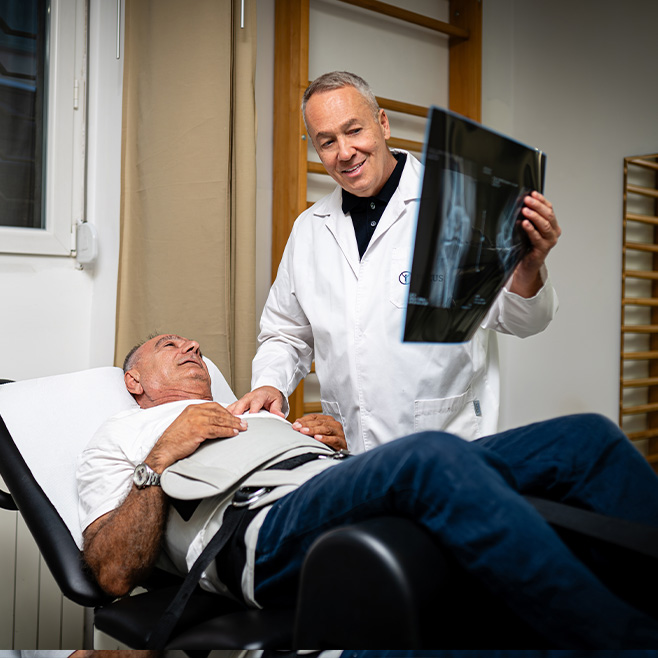
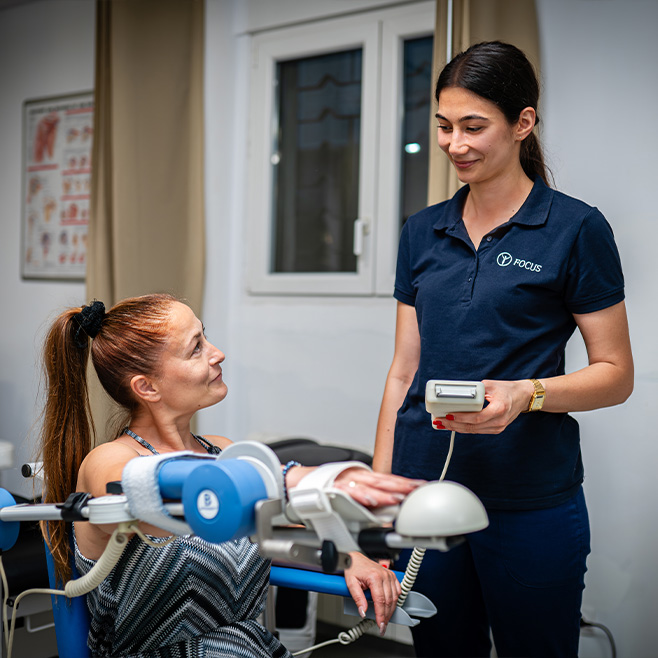
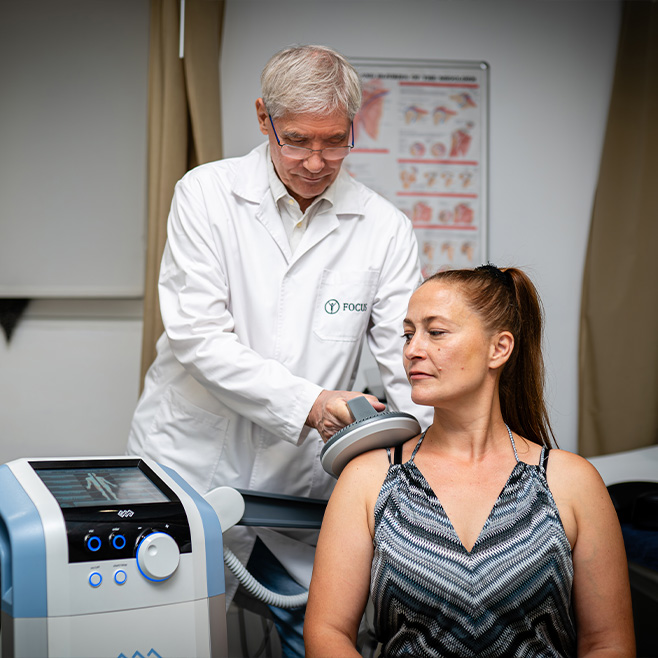
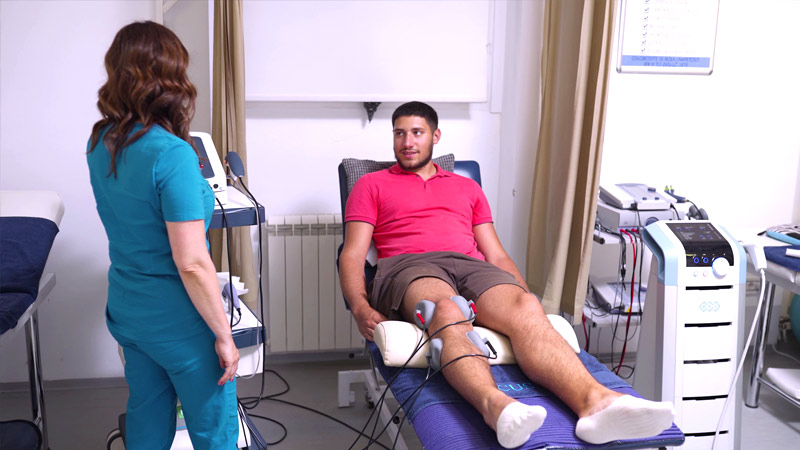

See the experiences of our satisfied patients who successfully recovered with the help of our physical therapy. Get acquainted with the testimonies of patients who faced various joint injuries, sports knee injuries, back injuries and similar problems, which we quickly, efficiently and successfully treated.
Aesthetic surgery
Focus Fizikal is a leading private clinic for physical therapy in Belgrade. For more than 10 years, we have been providing high-quality services that enable quick recovery and healing of our patients.




For all our current and future patients, we have made it possible to schedule an appointment online.



pon-pet:
08:00 - 20:00subota:
08:00 - 15:00


Mon-Fri:
08:00 - 20:00Saturday:
08:00 - 15:00