 +381 64 469 73 73
  Pain in the buttock bone
  Symptoms
  Causes
  Treatment
  FAQ
FAQ  Prices
  Gallery
  Testimonials
  Special offer
  Why choose us?
Cash
Through a current account
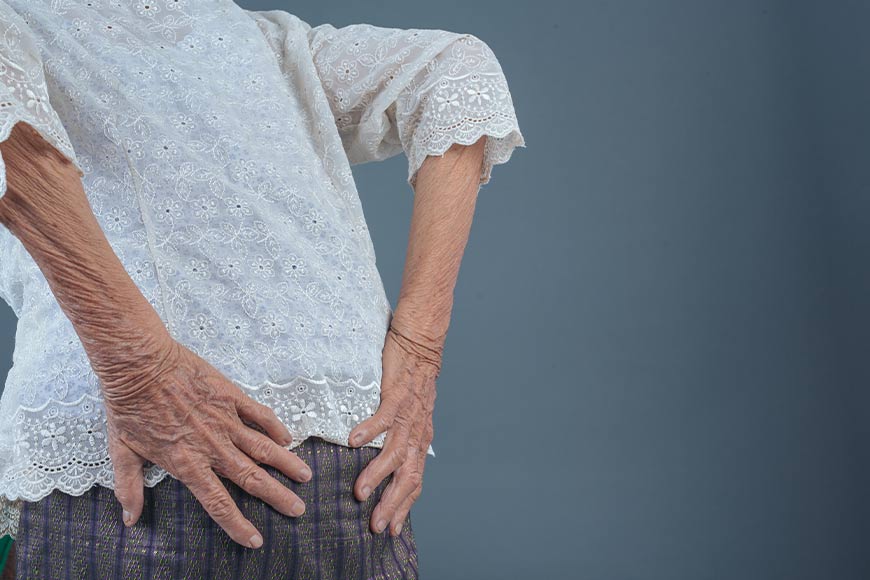
Focus Physical Therapy 100% guarantees fast and effective treatment.
SUPER DISCOUNT! 20% off all therapies in June! Call us 24/7!
Do not treat yourself based on information from the Internet!


Pain in the buttock bone, technically known as pain in the region of the ischial tuberosity, occurs at the point where the pelvic bone connects with the hamstring muscles. This bone bears most of the body’s weight while sitting, which makes it prone to chronic pressure and microtrauma. Pain develops when inflammation of the bursa (a fluid-filled sac that acts as a cushion between bone and soft tissues) occurs, or due to irritation of the muscle attachment itself.
The anatomy of this region is complex because the sciatic nerve runs nearby. Pain occurs when an inflammatory process in the area begins to irritate nerve endings, which patients often confuse with a herniated disc. In individuals who run or cycle, pain in the buttocks is a common sign of overuse of the tendons. Understanding the exact pain location is crucial for distinguishing between problems originating in the bone itself and those coming from the lower spine. Timely physiotherapeutic assessment enables targeted unloading of the sitting area and prevents the development of chronic pain that makes sitting and walking difficult.
Symptoms of pain in the buttock bone vary from a dull discomfort while sitting to sharp pain when standing up or stretching the leg. Patients often describe a feeling as if they are sitting on a hard object or a stone, even when the surface is soft. The clinical picture is specific because the pain is usually localized deep in the gluteal muscles, exactly at the point of contact with the chair.
The most common symptoms accompanying pain in the buttocks include:
These signs clearly indicate that the tissues around the sitting bone are under excessive load. Early recognition of these symptoms allows a physiotherapist to apply techniques that immediately reduce pressure on the bone and speed up tendon recovery.
The causes of pain in the buttock bone are most often associated with ischial bursitis, hamstring tendinopathy, or trauma to the coccyx. Factors such as a sudden increase in physical activity, sitting on inappropriate chairs, or falls onto the buttocks directly contribute to the development of inflammation. Although the pain is felt in the bone, the cause is often related to how the soft tissues respond to pressure.
The main causes of pain in the buttocks are:
Accurately determining whether the pain is caused by bursal inflammation or tendon injury allows for the creation of an individualized treatment plan. Each of these conditions requires a specific therapeutic approach in order for the patient to return to daily activities without pain.
Treatment of pain in the sitting bone at the "Fizikalna terapija Focus" center is focused on reducing compression, eliminating inflammation, and strengthening the supporting muscles through modern methods, combining high-tech devices that act deeply in the tissue with manual pelvic unloading techniques, while successful rehabilitation enables pain-free sitting and movement.
Consistent implementation of the recommended exercise program is crucial for preventing inflammation and chronic pain, restoring comfort, and allowing the patient to focus on work and sports without persistent discomfort in the buttock area.
What most commonly causes pain in the buttock bone area?
Pain in the buttock bone area is most often caused by irritation of muscles and tendons around the pelvic region, poor posture, prolonged sitting, or issues with the sacroiliac joint. It can also result from overuse or injury.
Can prolonged sitting cause buttock pain?
Yes, prolonged sitting can put pressure on pelvic muscles and joints, often leading to pain, stiffness, and discomfort in the buttocks and lower back area.
How does physical therapy help with buttock pain?
Physical therapy helps by reducing muscle tension, improving circulation, and restoring proper pelvic mobility. Treatment includes stretching exercises, strengthening, and manual therapy techniques.
Can buttock pain be related to the spine?
Yes, buttock pain is often related to lower back issues, such as nerve irritation or degenerative changes, which can cause pain to radiate into the gluteal area.
When should physical therapy be sought for buttock pain?
Physical therapy should be sought if pain persists for a long time, worsens with movement or sitting, or limits daily activities. Early treatment can speed up recovery and prevent chronic issues.
Cash
Through a current account
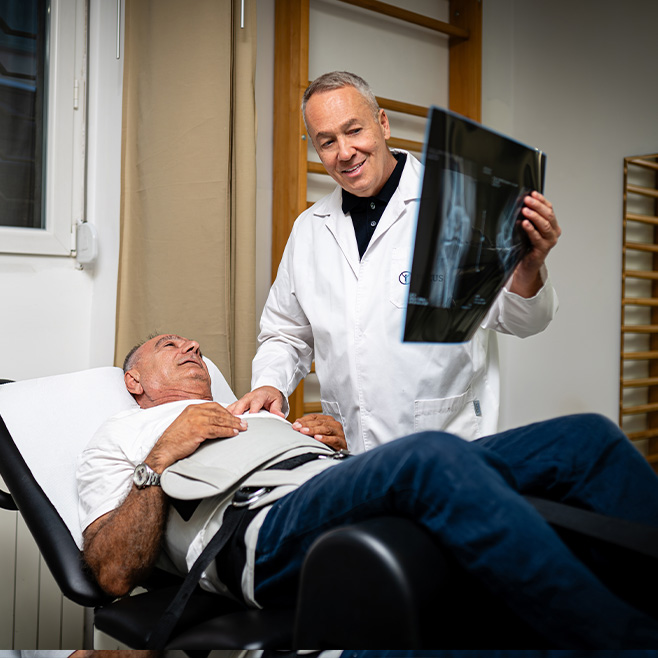
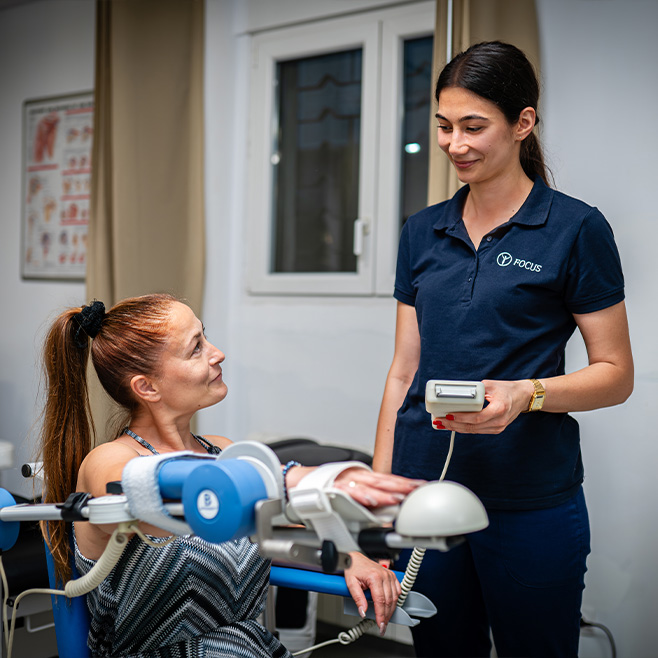
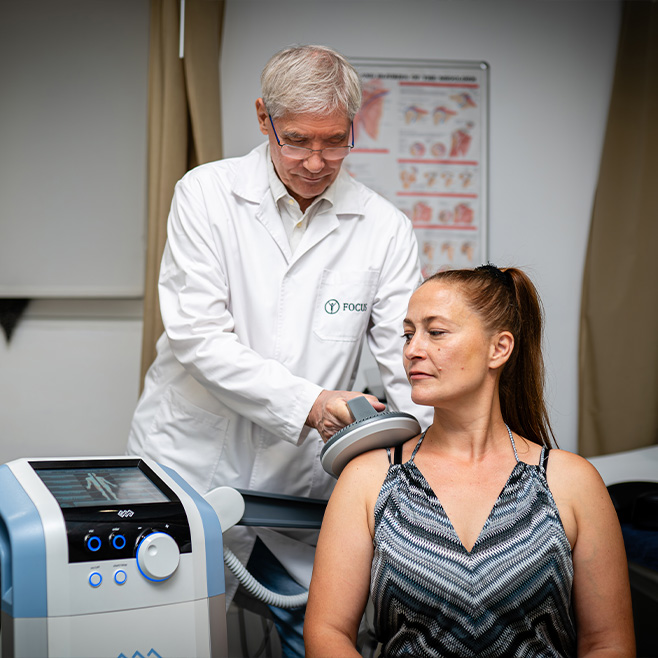
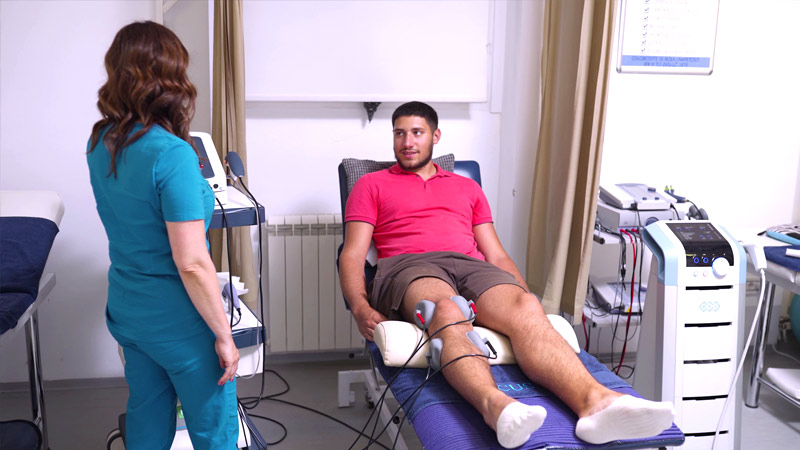

See the experiences of our satisfied patients who successfully recovered with the help of our physical therapy. Get acquainted with the testimonies of patients who faced various joint injuries, sports knee injuries, back injuries and similar problems, which we quickly, efficiently and successfully treated.
Aesthetic surgery
Focus Fizikal is a leading private clinic for physical therapy in Belgrade. For more than 10 years, we have been providing high-quality services that enable quick recovery and healing of our patients.




For all our current and future patients, we have made it possible to schedule an appointment online.



pon-pet:
08:00 - 20:00subota:
08:00 - 15:00


Mon-Fri:
08:00 - 20:00Saturday:
08:00 - 15:00