 +381 64 469 73 73
  Pain in the buttocks
  Symptoms
  Causes
  Treatment
  FAQ
FAQ  Prices
  Gallery
  Testimonials
  Special offer
  Why choose us?
Cash
Through a current account
Focus Physical Therapy 100% guarantees fast and effective treatment.
SUPER DISCOUNT! 20% off all therapies in June! Call us 24/7!
Do not treat yourself based on information from the Internet!


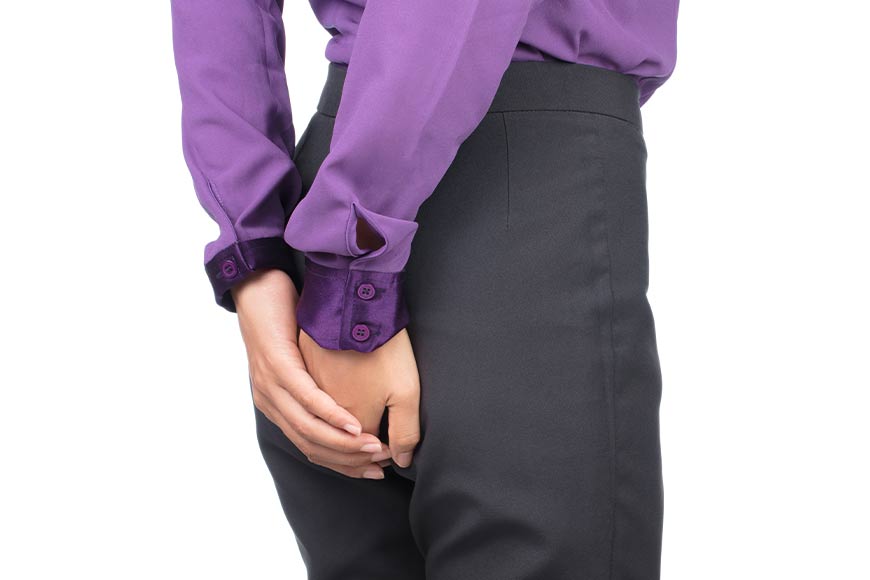
Pain in the Gluteal Region represents an uncomfortable feeling of tension, pressure, or stabbing that affects the gluteus area and often radiates down the back of the leg. The gluteal region is the biomechanical center of the body where the spine and lower extremities meet, which causes it to bear tremendous pressure during prolonged sitting or intense movement. The pain can manifest as a dull discomfort deep within the muscle or as sharp, electrical-like sensations that make normal walking and weight-bearing difficult. This region houses the longest nerve in the human body, and any spasms in the surrounding muscles can lead to severe compression and loss of function. Timely physical therapy is crucial for relieving pressure on the sciatic nerve and preventing chronic soft tissue inflammation.
The anatomy of the Gluteal Region involves strong gluteal muscles, as well as the deep piriformis muscle through which the sciatic nerve passes. The primary issue arises when these muscles become shortened or inflamed, directly irritating the nerve roots that originate from the lumbar spine. Understanding the connection between the pelvis, sacrum, and hips is crucial, as pain in the gluteal region often stems from poor hip joint mechanics or sacroiliac joint dysfunction. The stability and elasticity of the gluteal region allow for proper weight transfer during each step and protect the spine from impact. Maintaining the health of these muscular structures lays the foundation for long-term mobility without limitations or pain.
Symptoms of pain in the gluteal region vary from a feeling of a "knot" deep in the buttock to intense burning that radiates down to the foot. Patients often report that sitting on a hard surface is the most difficult, while the pain worsens when climbing stairs or during long periods of driving. The clinical picture is specific because the pain can appear suddenly, causing temporary numbness or weakness in the calf and toes. These signals are a clear indication that the nervous system is under compression and that the body can no longer compensate for the muscular imbalance. Early recognition of these symptoms allows us to act precisely on the source of irritation before permanent nerve damage occurs.
The most common symptoms include:
Timely recognition of these signals is crucial for preventing chronic sciatica and muscle atrophy in the legs. Proper interpretation of the symptoms leads to a faster return to functionality and eliminates the need for invasive treatment methods.
Causes of pain in the gluteal region are most often linked to modern lifestyle habits, where prolonged sitting for more than a few hours a day leads to shortened hip flexors and weakened gluteal muscles. Mechanical pressure on the piriformis muscle causes spasm, which is the leading cause of what is known as "false sciatica." Although the pain is felt in the gluteal region, the root cause is often in the lower back, where a herniated disc or spondylosis directly compresses the nerves that innervate this area. Identifying the factors that contribute to muscle tension allows us to eliminate the root of the problem and prevent its recurrence in the future. A detailed analysis of posture and movement patterns helps us create a plan that will permanently relieve pressure on the pelvis.
The main causes include:
Understanding these causes allows us to focus not only on providing temporary relief but also on permanently correcting the biomechanics. By targeting the primary sources of stress, we ensure that the gluteal region has the space it needs for full regeneration and long-term recovery.
Treatment for Gluteal Pain at the Focus Physical Therapy Center is focused on relieving trapped nerves, eliminating deep muscle knots, and restoring the elasticity of the pelvic region. The therapeutic protocol combines the most advanced procedures that deeply penetrate soft tissues with manual techniques that immediately reduce muscle tension. Successful rehabilitation means sitting without discomfort, stable walking, and the complete absence of tingling down the leg.
The modern rehabilitation approach includes the following stages:
The comprehensive application of these advanced methods guarantees the maximum effectiveness of the therapy, even for patients with chronic pain. Our personalized approach ensures that each patient returns to their daily activities with strengthened muscles and permanently stabilized biomechanics of the entire body.
What can cause pain in the buttock area?
Pain in the buttock area can be caused by various factors, including muscle tension, injuries to the gluteal muscles, hip joint or sacroiliac joint problems, as well as spinal issues like herniated discs or sciatica. Prolonged sitting, poor posture, excessive weight, and overexertion can also contribute to pain.
What are the symptoms of pain in the buttock area?
Symptoms of pain in the buttock area may include pain in the gluteal muscles, hips, lower back, or down the leg. The pain can be sharp, dull, or stabbing, and may worsen with sitting, standing, or physical activities like walking or running. Sometimes, there may be tingling or weakness in the legs.
How is pain in the buttock area diagnosed?
The diagnosis of pain in the buttock area typically starts with a physical examination and symptom analysis. The doctor will check mobility, muscle strength, and the presence of certain movements. If necessary, imaging such as X-rays, ultrasound, or MRI may be used to rule out more serious injuries or conditions, such as herniated discs, sciatica, or joint damage.
How is pain in the buttock area treated?
Treatment for pain in the buttock area depends on the cause. Initially, rest, cold compresses (if swelling is present), and pain medications can help reduce pain. Physical therapy and stretching the gluteal muscles, as well as strengthening the core and back muscles, can speed up recovery. In some cases, if there is a serious injury, such as a herniated disc, surgical intervention may be required.
How can pain in the buttock area be prevented?
Preventing pain in the buttock area involves maintaining good posture, regular stretching of the muscles, strengthening the core and back muscles, and avoiding prolonged sitting. Regular exercise, such as yoga, Pilates, or strength training, can help maintain flexibility and reduce tension. It is also important to avoid overloading the feet and legs.
Cash
Through a current account
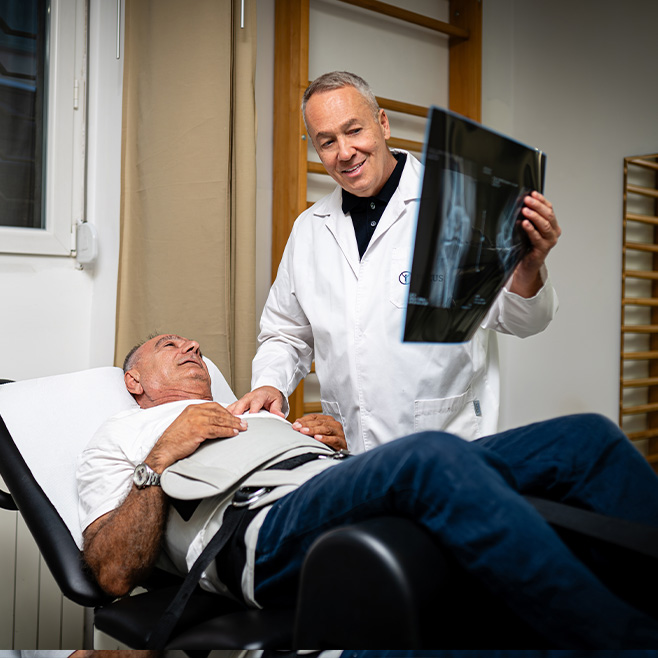
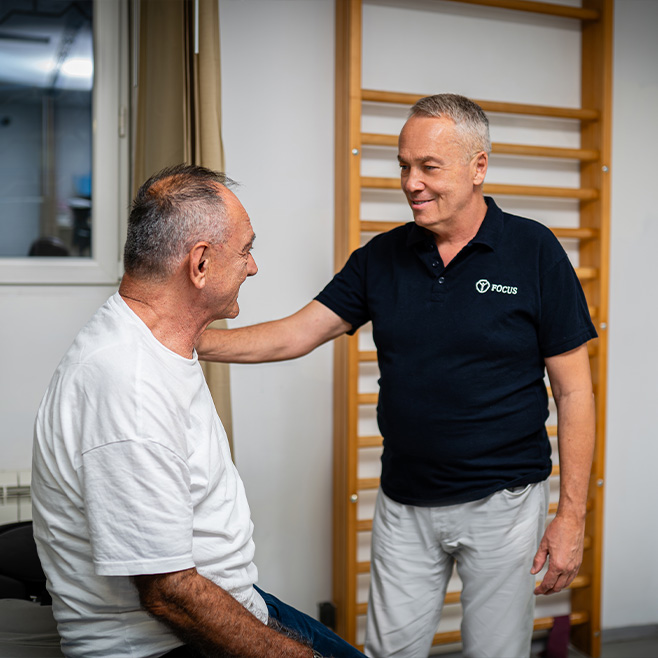
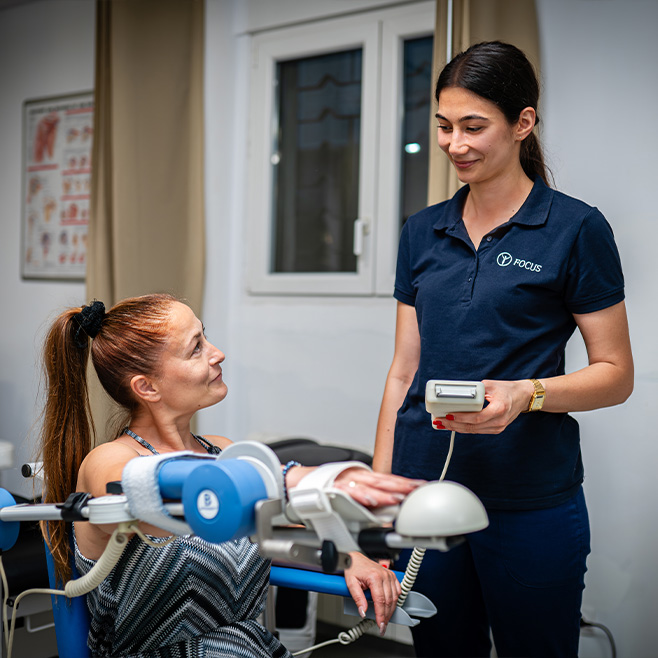
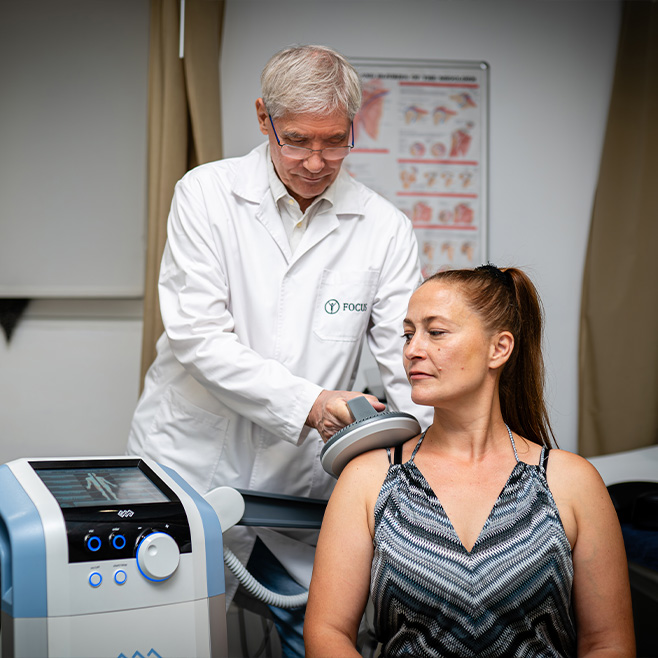
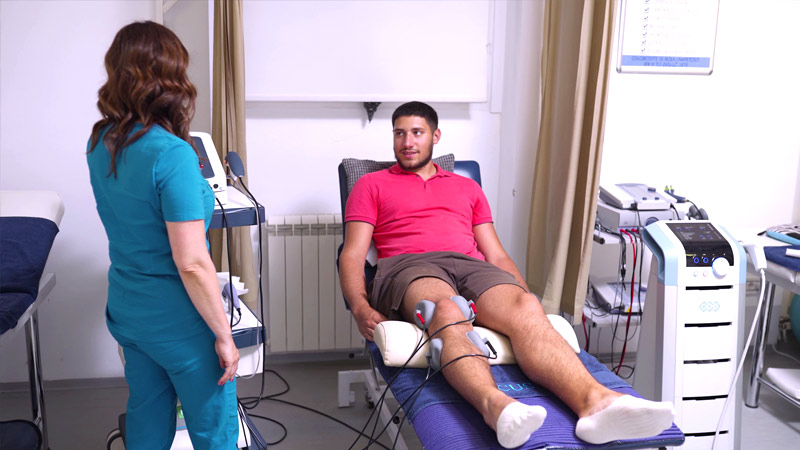

See the experiences of our satisfied patients who successfully recovered with the help of our physical therapy. Get acquainted with the testimonies of patients who faced various joint injuries, sports knee injuries, back injuries and similar problems, which we quickly, efficiently and successfully treated.
Aesthetic surgery
Focus Fizikal is a leading private clinic for physical therapy in Belgrade. For more than 10 years, we have been providing high-quality services that enable quick recovery and healing of our patients.




For all our current and future patients, we have made it possible to schedule an appointment online.



pon-pet:
08:00 - 20:00subota:
08:00 - 15:00


Mon-Fri:
08:00 - 20:00Saturday:
08:00 - 15:00