 +381 64 469 73 73
  Pain in the collarbone
  Symptoms
  Causes
  Treatment
  Prices
  Gallery
  Testimonials
  Special offer
  Why choose us?
Cash
Through a current account

Focus Physical Therapy 100% guarantees fast and effective treatment.
SUPER DISCOUNT! 20% off all therapies in June! Call us 24/7!
Do not treat yourself based on information from the Internet!


The clavicle is a long, slightly curved bone positioned horizontally at the very top of the chest. It forms two extremely important joints: at its medial end, it connects with the sternum (sternoclavicular joint), and at its lateral end, it joins the top of the scapula (acromioclavicular joint). Strong muscles of the neck (such as the sternocleidomastoid), chest (pectoralis major), and shoulder (deltoid) attach around it. Any disruption of the clavicle’s alignment or inflammation in these structures manifests as sharp, localized, or dull pain along the bone itself.
At Focus Physical Therapy Center, we approach clavicle pain with high diagnostic precision. Patients often report pain at the very end of the clavicle, near the shoulder, which intensifies suddenly when they try to raise their arm above the head, cross it over the chest, or sleep on that side. This is most commonly a sign of acromioclavicular joint injury or osteoarthritis, a condition frequently affecting athletes and individuals engaged in heavy physical work. Pain can also occur at the medial end near the sternum, often resulting from prolonged poor posture, excessive computer work, and chronic shortening of the chest muscles that pull the clavicle forward and keep it under constant tension.
Ignoring pain in the clavicle area and avoiding arm movements to reduce discomfort leads to rapid postural deterioration and compensatory strain in the neck and scapula. Muscles become chronically tight, and joint capsules lose elasticity, potentially causing chronic stiffness of the entire shoulder girdle. By visiting Focus Physical Therapy Center promptly, patients receive a detailed functional evaluation and identification of the primary cause of the problem, after which we apply state-of-the-art therapeutic procedures that safely relieve pain, relax tight soft tissues, and restore biomechanical balance.
The symptomatology of clavicle pain can range from a sharp pain that occurs immediately after a fall or direct impact to a dull, aching pain that gradually worsens throughout the day. Patients often notice that the pain intensifies during deep breathing, sleeping on their side, or when attempting to raise the arm above shoulder level. The clinical presentation is distinctive because it may include visible changes in the skin or the contour of the bone, indicating the extent of damage to the underlying structures.
The most common symptoms associated with clavicle pain include:
All of these signs are clear indicators that the bony or ligamentous structures of the clavicular region are under stress and require professional evaluation as well as appropriate immobilization or treatment. Early recognition of these symptoms is essential for proper healing and for preserving the function of the arm and shoulder girdle.
The etiology of clavicle pain is most commonly associated with direct physical trauma but can also result from degenerative changes in the joints caused by aging or prolonged work in improper postures. Factors such as falls onto an outstretched arm, participation in contact sports, or carrying heavy loads on the shoulders directly contribute to irritation of the bone’s periosteum and surrounding bursae. Although the pain occurs locally, the root of the problem is often related to poor posture in the entire chest area and weakness in the back muscles.
The main causes of clavicle pain include:
Accurately identifying the cause of pain allows for the creation of a treatment plan that ensures safe healing and restores full shoulder strength. Each of these causes requires a specific rehabilitation approach to prevent complications such as poorly healed bones or chronic joint instability.
Treatment of clavicle pain at Focus Physical Therapy Center is based on stimulating the regeneration of both bone and soft tissue, with strict guidance in joint mobilization. The therapeutic protocol begins with reducing inflammation and swelling, followed by the gradual introduction of exercises that restore ligament elasticity and strengthen the shoulder stabilizer muscles. Successful rehabilitation involves continuous monitoring of the healing process to achieve maximum functional recovery without long-term consequences.
The modern rehabilitation approach includes the following phases:
Consistent implementation of the recommended exercise program is crucial for maintaining achieved results and ensuring long-term stability of the entire shoulder girdle. This comprehensive treatment restores the patient’s confidence in movement and allows them to return to their professional and sports responsibilities without pain.
Cash
Through a current account
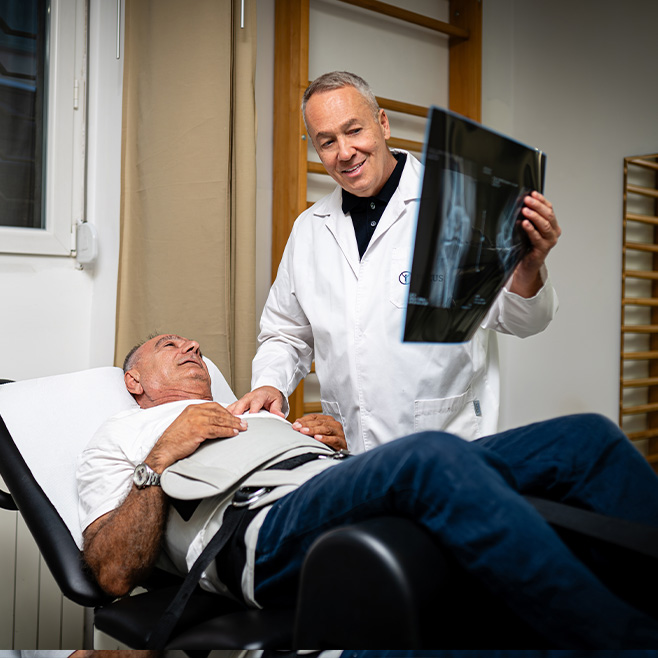
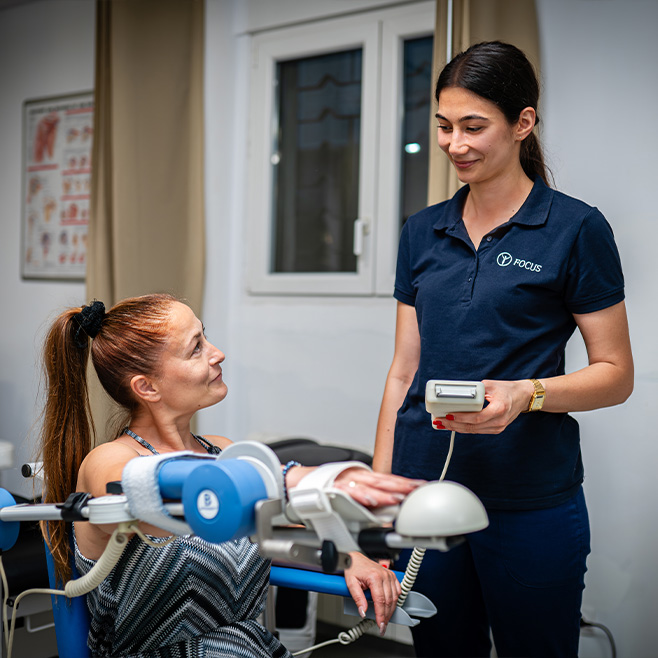
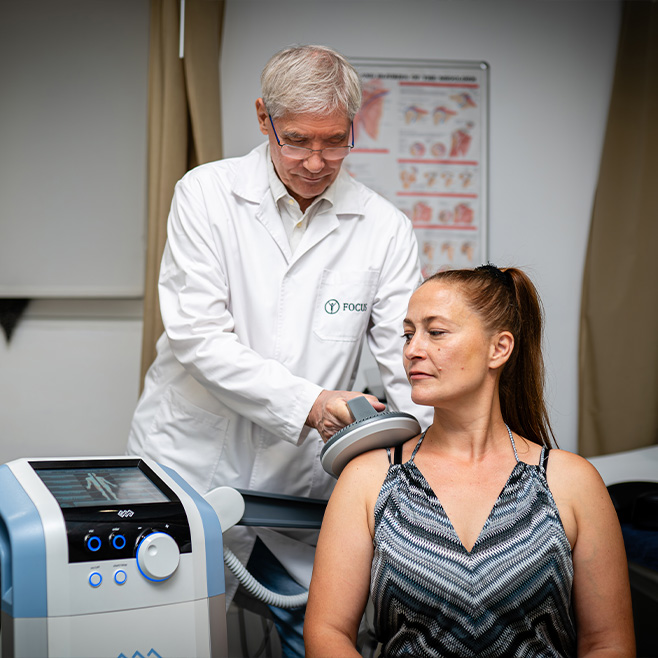
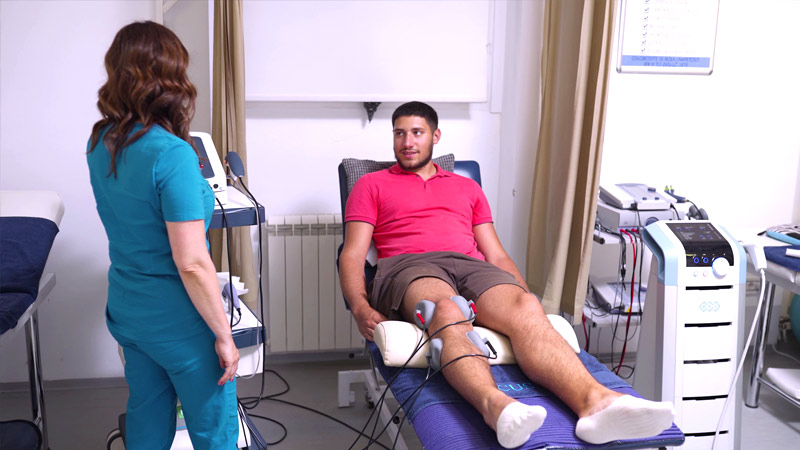

See the experiences of our satisfied patients who successfully recovered with the help of our physical therapy. Get acquainted with the testimonies of patients who faced various joint injuries, sports knee injuries, back injuries and similar problems, which we quickly, efficiently and successfully treated.
Aesthetic surgery
Focus Fizikal is a leading private clinic for physical therapy in Belgrade. For more than 10 years, we have been providing high-quality services that enable quick recovery and healing of our patients.




For all our current and future patients, we have made it possible to schedule an appointment online.



pon-pet:
08:00 - 20:00subota:
08:00 - 15:00


Mon-Fri:
08:00 - 20:00Saturday:
08:00 - 15:00