 +381 64 469 73 73
  Pain in the foot pad
  Symptoms
  Causes
  Treatment
  FAQ
FAQ  Prices
  Gallery
  Testimonials
  Special offer
  Why choose us?
Cash
Through a current account
Focus Physical Therapy 100% guarantees fast and effective treatment.
SUPER DISCOUNT! 20% off all therapies in June! Call us 24/7!
Do not treat yourself based on information from the Internet!


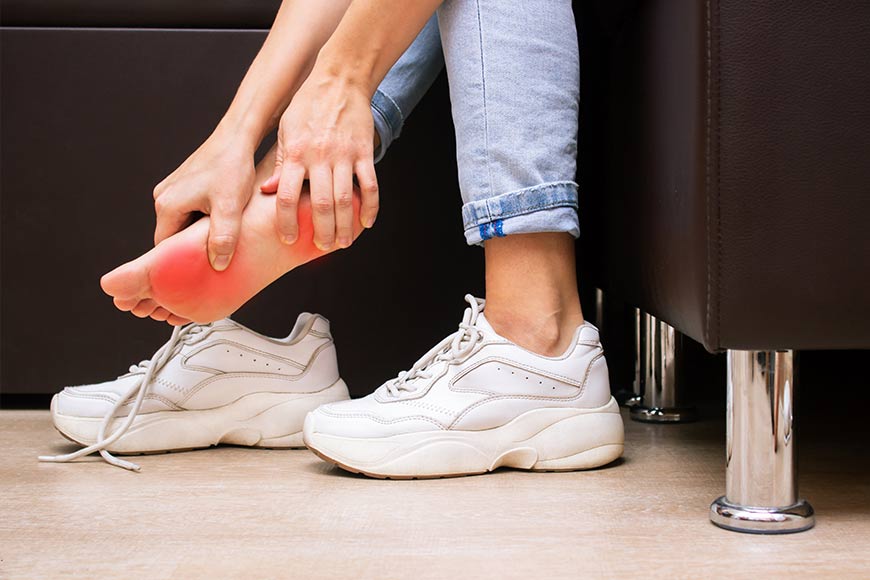
Pain in the ball of the foot refers to localized inflammation and painful sensitivity in the front part of the sole, directly beneath the heads of the metatarsal bones where they connect to the toes. This part of the foot functions as the primary shock absorber during each step, especially when the body pushes off the ground. The ball itself is made up of specialized fatty tissue, which can thin over time, leaving the bones and nerves unprotected from direct mechanical stress.
The anatomy of this region includes five metatarsal heads and, in the area under the big toe, two small sesamoid bones that act as levers for tendons. Pain occurs when the foot's statics are disrupted, most commonly due to the lowering of the transverse arch, which causes one or two bones to take on the entire body weight. In individuals with high arches or those who wear high heels, the pressure on the ball is significantly increased.
Understanding the connection between calf muscle flexibility and the load on the forefoot is crucial in determining the underlying cause of discomfort. Timely physiotherapy diagnostics prevent the onset of chronic tendon inflammation and permanent toe deformities like hammer toes.
The symptoms of pain in the ball of the foot can vary from a dull sense of fatigue after a short walk to sharp, burning pain that occurs immediately upon weight-bearing. Patients often describe the sensation subjectively as though they have a wrinkled sock under their toes or are stepping on a small stone that they cannot remove. The clinical picture is specific: the symptoms subside during rest but return as soon as the foot is subjected to pressure, especially in inadequate footwear.
The most common symptoms associated with pain in the ball of the foot include:
These signs are clear indicators that the forefoot is undergoing mechanical stress, which requires expert evaluation. Recognizing the symptoms early allows the physical therapist to apply offloading techniques and prevent the onset of stress fractures in the metatarsal bones.
The causes of pain in the ball of the foot are most commonly associated with improper weight distribution, anatomical variations, and external factors such as activity levels and footwear. Factors such as sudden weight gain, participation in sports involving a lot of jumping, or prolonged standing at work directly contribute to the onset of inflammation. While the pain is felt locally, the underlying cause often lies in the dysfunction of the entire kinetic chain of the leg.
The main causes of pain in the ball of the foot include:
Accurately determining whether the pain originates from the bone, tendon, or inflamed nerve allows for the creation of an individualized treatment plan. Each of these causes requires a specific rehabilitation approach to achieve lasting pain relief.
What is metatarsalgia and why does it occur?
It is a general term for pain and inflammation in the front of the foot. It often occurs in people who wear tight shoes, high heels, or in athletes who run and jump. Also, a lowered transverse arch of the foot causes the bones (metatarsals) to hit the ground directly, instead of being cushioned by pressure.
How long does it take to recover from metatarsalgia with physical therapy?
With targeted procedures, significant pain reduction is seen after just three to five treatments. Complete elimination of inflammation and stabilization of the foot usually takes between three and six weeks.
When is pain in the ball of the foot a sign that an urgent examination by an orthopedist is necessary?
An urgent examination is necessary if you notice a change in the color of your toes (bluish or pale color), if the swelling is extremely large and warm to the touch, or if the pain occurs suddenly after a jump and prevents any support on the foot.
Can insoles permanently solve the problem?
Orthotic insoles with a metatarsal pad (also known as a "teardrop") are essential for recovery. They raise the transverse arch of the foot, spreading the metatarsal bones apart, thereby immediately reducing pressure on the nerves and inflamed tissues in the pad.
What exercises help with forefoot pain?
Kinesiotherapy focuses on strengthening the inner muscles of the foot and stretching the Achilles tendon. When the Achilles tendon is shortened, it transfers too much pressure to the forefoot when walking, so its elasticity is crucial for relieving the pressure on the ball of the foot.
Cash
Through a current account

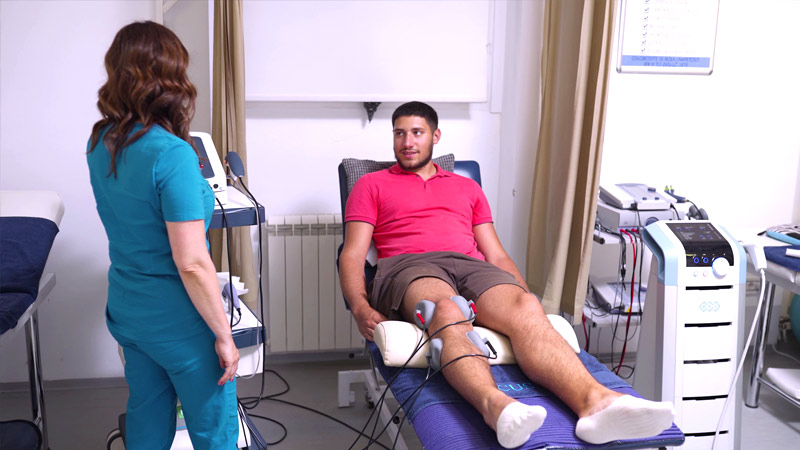

See the experiences of our satisfied patients who successfully recovered with the help of our physical therapy. Get acquainted with the testimonies of patients who faced various joint injuries, sports knee injuries, back injuries and similar problems, which we quickly, efficiently and successfully treated.
Aesthetic surgery
Focus Fizikal is a leading private clinic for physical therapy in Belgrade. For more than 10 years, we have been providing high-quality services that enable quick recovery and healing of our patients.




For all our current and future patients, we have made it possible to schedule an appointment online.



pon-pet:
08:00 - 20:00subota:
08:00 - 15:00


Mon-Fri:
08:00 - 20:00Saturday:
08:00 - 15:00