 +381 64 469 73 73
  Pain in the glutes and hamstrings
  Symptoms
  Causes
  Treatment
  FAQ
FAQ  Prices
  Gallery
  Testimonials
  Special offer
  Why choose us?
Cash
Through a current account

Focus Physical Therapy 100% guarantees fast and effective treatment.
SUPER DISCOUNT! 20% off all therapies in June! Call us 24/7!
Do not treat yourself based on information from the Internet!


Pain affecting the gluteal region and the back of the thigh is a common issue that affects both athletes and individuals with a sedentary lifestyle. This area is an anatomical hub where the hamstring muscles attach to the ischial tuberosity (sitting bone), and where the sciatic nerve passes on its way to the calf and foot. The hamstrings consist of three muscles that are crucial for knee flexion and hip extension, and they are under constant dynamic load during walking, running, or sitting.
The anatomy of this area includes the tendons of the biceps femoris, semitendinosus, and semimembranosus, which merge at a common attachment point on the pelvic bone. Pain occurs when these tendons suffer micro-injuries due to overuse, inflammation of the bursae that protect them, or irritation of the nerve that runs near them. In individuals who sit for prolonged periods, compression of the hamstring attachment occurs, reducing blood flow and leading to degenerative changes. Understanding the connection between hamstring flexibility and the stability of the gluteal muscles is crucial for identifying the cause of discomfort. Timely physical therapy diagnosis prevents partial tendon ruptures and chronic pain that limits participation in sports.
Treatment of pain in the gluteal region and hamstrings at the Physical Therapy Focus center is aimed at stimulating tendon healing, reducing muscle tension, and strengthening stabilizers through modern therapeutic approaches. The treatment protocol combines advanced physical modalities for deep tissue regeneration with manual techniques for fascial mobilization. Successful rehabilitation involves pain elimination, improved elasticity, and progressive strengthening of the musculotendinous system.
The modern rehabilitation approach includes the following phases:
Continuous adherence to the prescribed exercise program is essential for maintaining results and preventing re-injury of tendon fibers. This comprehensive approach restores strength, elasticity, and function of the hamstrings, enabling a safe return to sports activities.
Is back pain always caused by a muscle strain?
No. Very often, back pain is actually "false sciatica" or piriformis syndrome. When the sciatic nerve is compressed in the buttocks, it sends pain signals directly down the back. Patients often stretch their back without success, when in fact the nerve in the gluteal region needs to be released.
Can back pain be related to a lower back problem?
Yes, very often. Pressure on the L5 or S1 nerve roots in the spine can cause pain that projects down the back, even though the muscle tendon itself is completely healthy. This is why differential diagnosis is necessary.
Are hamstring stretching exercises always recommended for this pain?
In hamstring tendinopathy, aggressive stretching can be counterproductive because it further irritates the damaged tendon at the point of attachment to the bone. It is recommended that stretching be performed only after the acute phase has subsided, and only on the advice of a physiotherapist.
How long does it take to recover from a hamstring injury?
Recovery time depends on the degree of tendon damage. For mild inflammation, recovery takes three to four weeks, while chronic tendinopathies require up to three months of persistent strengthening work to make the tendon fully functional.
When is pain in the gluteus and hamstrings a sign that an urgent examination is necessary?
An urgent examination is necessary if you feel sudden, severe pain accompanied by an audible "snap" in the buttock, if there is significant swelling and bruising on the back of the thigh, or if you are unable to bend your knee against resistance.
Cash
Through a current account
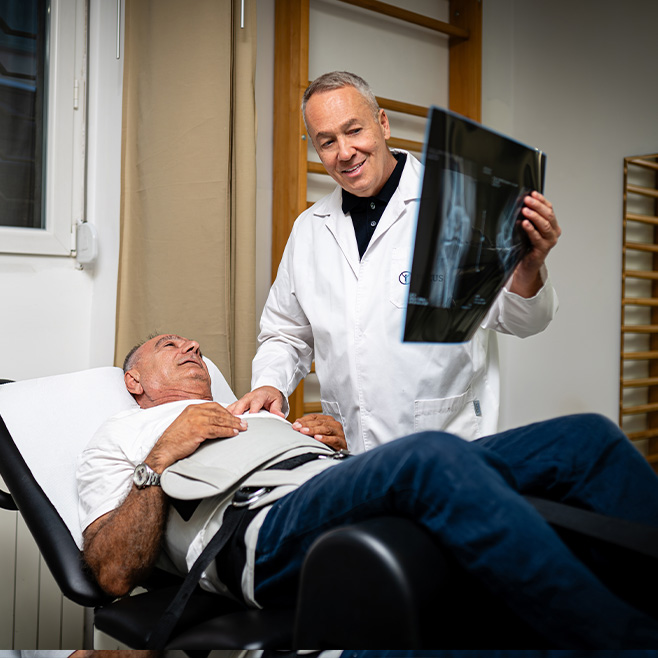
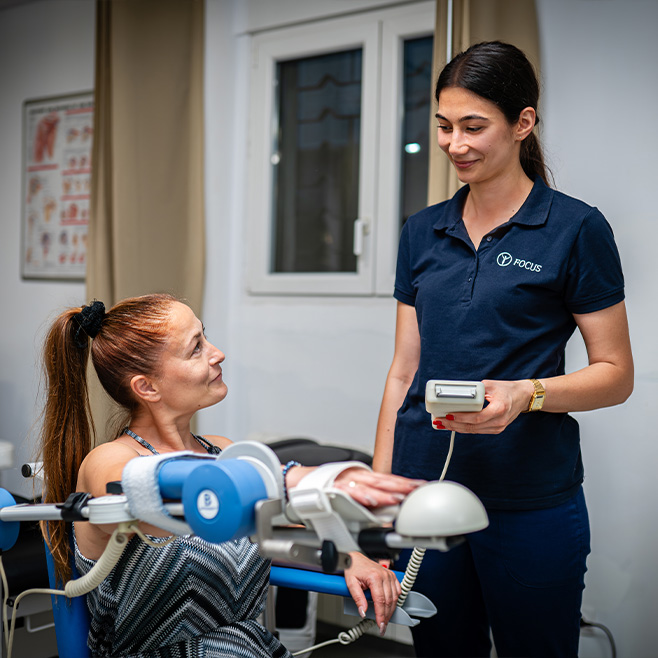
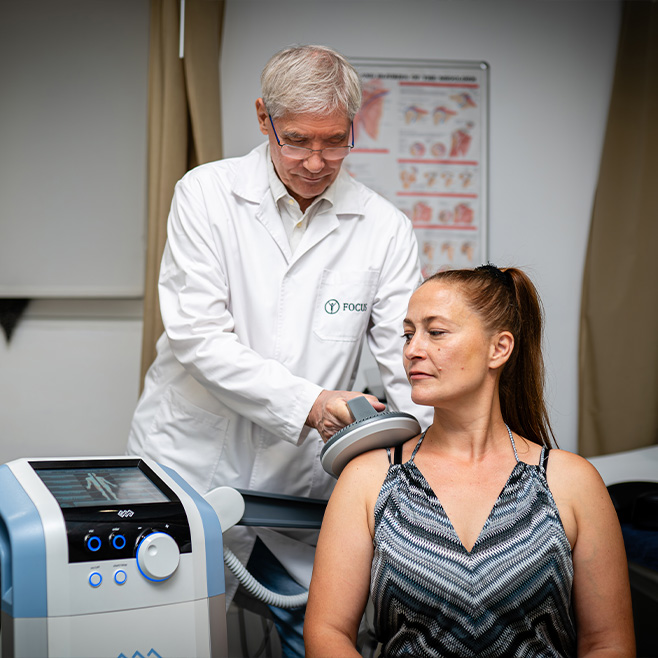
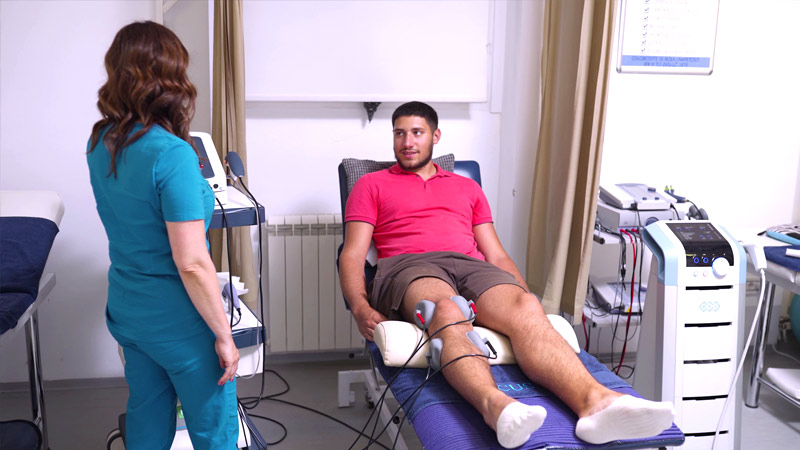

See the experiences of our satisfied patients who successfully recovered with the help of our physical therapy. Get acquainted with the testimonies of patients who faced various joint injuries, sports knee injuries, back injuries and similar problems, which we quickly, efficiently and successfully treated.
Aesthetic surgery
Focus Fizikal is a leading private clinic for physical therapy in Belgrade. For more than 10 years, we have been providing high-quality services that enable quick recovery and healing of our patients.




For all our current and future patients, we have made it possible to schedule an appointment online.



pon-pet:
08:00 - 20:00subota:
08:00 - 15:00


Mon-Fri:
08:00 - 20:00Saturday:
08:00 - 15:00