 +381 64 469 73 73
  Pain in the gluteus and leg
  Symptoms
  Causes
  Treatment
  FAQ
FAQ  Prices
  Gallery
  Testimonials
  Special offer
  Why choose us?
Cash
Through a current account

Focus Physical Therapy 100% guarantees fast and effective treatment.
SUPER DISCOUNT! 20% off all therapies in June! Call us 24/7!
Do not treat yourself based on information from the Internet!


Pain that affects the gluteal region and radiates down the legs is one of the most common neurological and biomechanical issues in physical medicine. This area serves as a transit zone for the largest nerve in the human body, the sciatic nerve, which originates from the lower back, travels deeply through the gluteal muscles, and continues its path down to the foot. The lower extremities are inextricably linked to the pelvic girdle, meaning any dysfunction in the gluteal region directly affects gait mechanics and sensation throughout the entire leg.
The anatomy of this region includes the strong gluteal muscles and deep hip rotators, such as the piriformis, which are in close contact with the nervous structures. Pain occurs when there is mechanical pressure on the nerve roots in the spine or compression of the nerve itself within the gluteal muscles. In modern society, prolonged sitting and lack of physical activity lead to shortening of soft tissues and chronic nerve irritation. Understanding the relationship between nerve pathway clearance in the gluteal region and leg muscle strength is crucial for determining the cause of these issues. Early physical therapy diagnostics can prevent the onset of permanent tingling and muscle mass loss in the legs.
Symptoms of pain in the gluteus and leg can vary from dull, diffuse discomfort in the buttocks to sharp, shooting pain that radiates down the back or outer side of the leg. Patients often describe sensations of tingling or tightness that prevent them from fully extending their leg or performing a normal stride. The clinical picture is specific, as the intensity of symptoms often increases with certain activities such as prolonged driving or lifting heavy objects.
The most common symptoms accompanying pain in the gluteus and leg include:
These signs are clear indicators that the sciatic nerve is experiencing irritation, which requires expert evaluation. Recognizing these symptoms early allows the physical therapist to apply neurodynamic techniques and prevent the development of chronic radicular syndrome.
The cause of combined pain in the gluteus and leg is most commonly associated with compressive syndromes in the lumbar spine or soft tissues of the pelvis. Factors such as degenerative changes in the vertebrae, deep muscle spasms, or sudden rotational movements directly contribute to the development of symptoms. Although the pain is predominantly felt in the leg, the source is often located in the upper levels of the lumbosacral segment or within the gluteal region itself.
The main causes of pain in the gluteus and leg are:
Accurately identifying the exact location of nerve compression allows for the creation of an individualized treatment plan. Each of these causes requires a specific rehabilitation approach to achieve permanent pain relief and restore full function of the limb.
Treatment of pain in the gluteus and leg at the Focus Physical Therapy Center is aimed at relieving pressure on nerve structures, reducing inflammation, and strengthening core stabilizers through modern physical and manual therapy methods. The therapeutic protocol combines advanced technologies for deep nerve tissue regeneration with soft tissue and joint mobilization techniques. Successful rehabilitation involves not only pain relief but also restoration of normal sensation and function in the lower extremities.
A modern rehabilitation approach includes the following phases:
Continuous adherence to an individually tailored exercise program is essential for maintaining results and preventing recurrence of sciatica symptoms. This comprehensive approach restores full strength to the legs and enables a return to daily activities without limitations.
What is the most common cause?
Usually, sciatica (lumboischialgia) is caused by a herniated disc in the L4-S1 region, or piriformis syndrome, where a tight buttock muscle compresses the nerve.
Why do I feel pain in my leg if my back doesn't hurt?
This is a common misconception. There can be a problem in the lower spine even if there is no pain there. This is called "referred pain" - the nerve transmits the signal of irritation to the areas it innervates (buttocks, thighs, calves), while the pressure point itself in the back remains "silent".
How long does it take to recover from sciatic nerve inflammation?
With intensive physiotherapy treatment, the most severe pain usually subsides within three to six weeks. Full recovery of nerve function and return of full strength to the leg muscles may take slightly longer, depending on the extent of the damage.
Is tingling in the foot a warning sign?
Numbness (paresthesia) is a signal that the nerve is not getting enough oxygen and nutrients due to pressure. If you feel that you are losing strength in your foot (e.g. you are tripping on the carpet or you cannot stand on your toes/heels), it is necessary to start treatment immediately to prevent permanent nerve damage.
What exercises help in this situation?
Nerve mobilization exercises (nerve gliding) are key, helping the nerve to glide freely through the tissues again, as well as trunk stabilization exercises. Strengthening the core and gluteal muscles creates natural support that relieves the spine and prevents recurring episodes of pain.
Cash
Through a current account
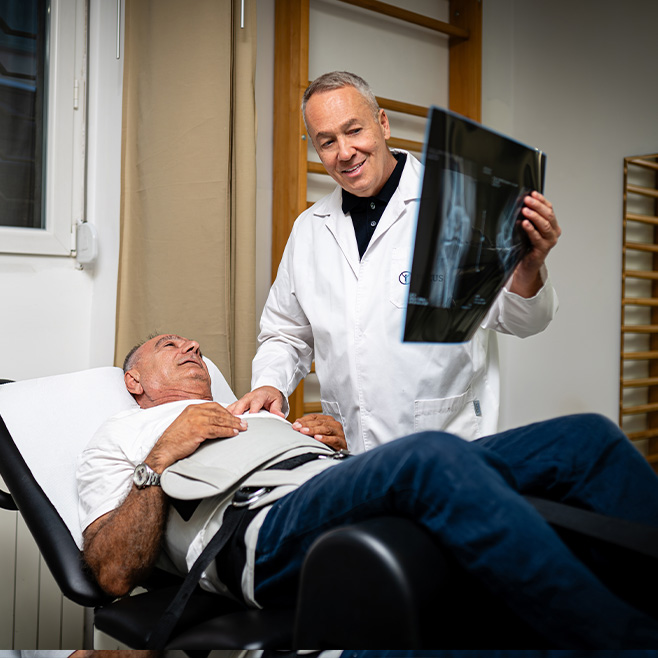
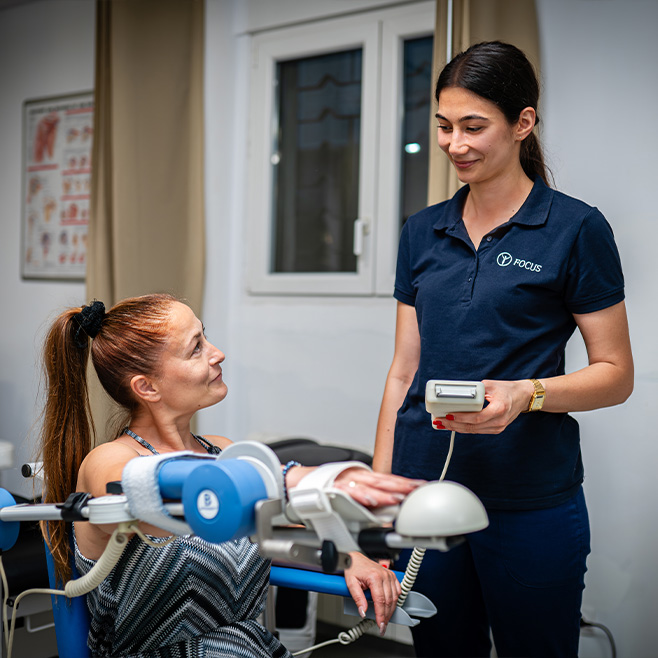
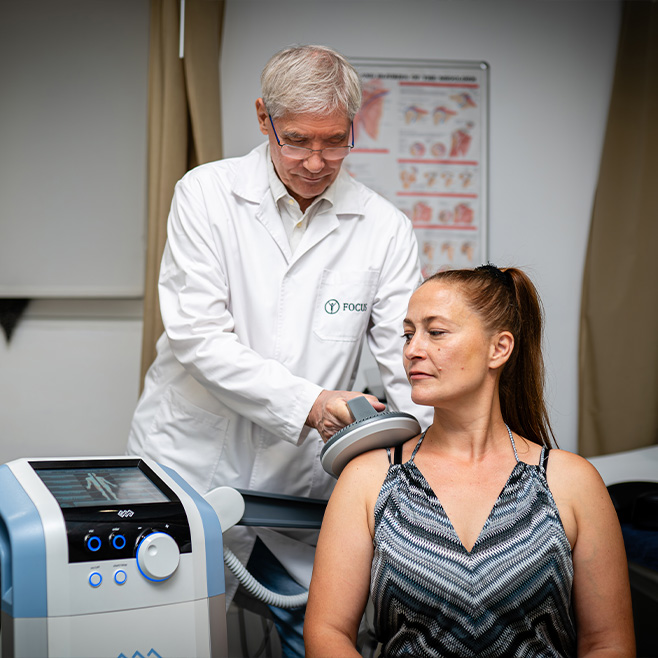
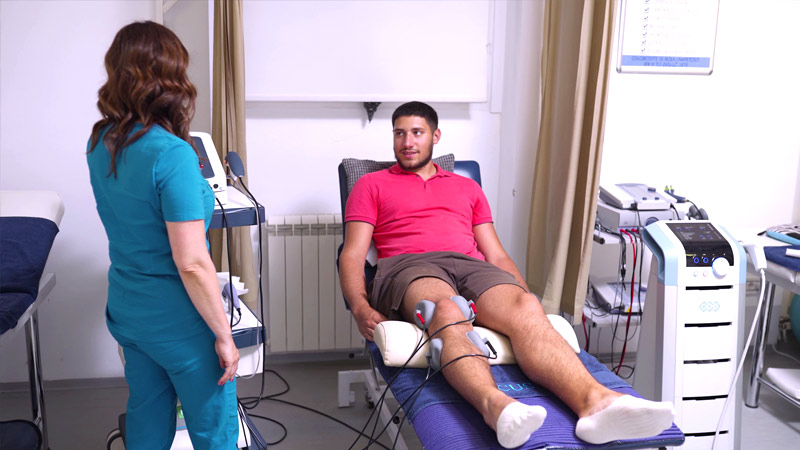

See the experiences of our satisfied patients who successfully recovered with the help of our physical therapy. Get acquainted with the testimonies of patients who faced various joint injuries, sports knee injuries, back injuries and similar problems, which we quickly, efficiently and successfully treated.
Aesthetic surgery
Focus Fizikal is a leading private clinic for physical therapy in Belgrade. For more than 10 years, we have been providing high-quality services that enable quick recovery and healing of our patients.




For all our current and future patients, we have made it possible to schedule an appointment online.



pon-pet:
08:00 - 20:00subota:
08:00 - 15:00


Mon-Fri:
08:00 - 20:00Saturday:
08:00 - 15:00