 +381 64 469 73 73
  Pain in the left knee
  Symptoms
  Causes
  Treatment
  FAQ
FAQ  Prices
  Gallery
  Testimonials
  Special offer
  Why choose us?
Cash
Through a current account
Focus Physical Therapy 100% guarantees fast and effective treatment.
SUPER DISCOUNT! 20% off all therapies in June! Call us 24/7!
Do not treat yourself based on information from the Internet!


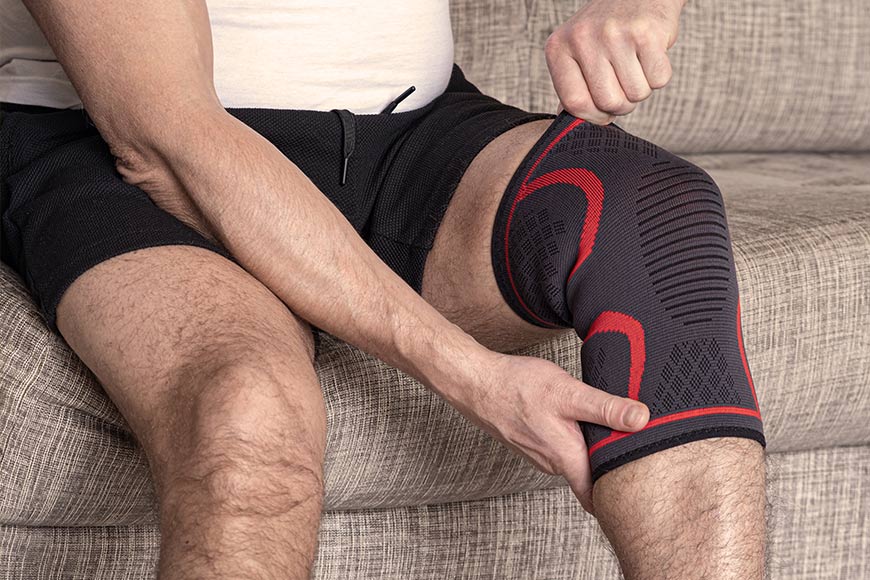
Pain in the left knee is a common issue that affects both athletes and individuals with a sedentary lifestyle. Since the knee bears the full weight of the body during movement, even the smallest injury to the soft tissues can cause significant discomfort and functional limitation. Pain occurs when there is damage to the cartilage, ligament strain, or inflammation of the tendons surrounding the joint, which the body registers as sharp pain upon weight-bearing or dull stiffness after prolonged sitting.
The anatomy of the left knee includes the joint formed by the femur, tibia, and patella, connected by strong ligaments (ACL, PCL, MCL, LCL) and cushioned by the menisci. Pain arises primarily due to disturbed biomechanics, where the left knee often bears greater load if there is an imbalance in the hips or feet. In individuals who engage in running or hiking, irritation of the cartilage behind the patella (chondromalacia patellae) is common. Understanding whether the pain is localized to the inner, outer, or front side of the joint is crucial for an accurate diagnosis. Timely physiotherapy assessment at the Focus Physical Therapy Center enables precise determination of ligament conditions and restoration of joint stability.
The symptomatology of pain in the left knee ranges from mild "creaking" in the joint to intense pain that prevents full extension or flexion of the leg. Patients often describe a feeling of instability, as if the knee will "give out" while walking on uneven terrain. The clinical picture is specific, as pain is often accompanied by swelling that changes the contour of the joint.
The most common symptoms accompanying pain in the left knee include:
These signs are clear indicators that the internal structures of your knee are under excessive stress. Recognizing these signals in time allows the physiotherapist to apply manual tests and techniques that will reduce pressure on the joint surfaces.
The causes of pain in the left knee encompass a wide range of factors, from traumatic injuries to degenerative changes due to aging. Factors such as sudden direction changes in sports, inadequate footwear, and excessive body weight directly contribute to the development of symptoms. Although the pain is in the knee, the cause can also lie in flat feet, which alter the angle at which the knee operates.
The main causes of pain in the left knee include:
Accurately determining the cause of pain allows for the creation of an individualized treatment plan that includes strengthening specific muscle groups. Each of the listed causes requires a specialized therapeutic approach to restore the knee's natural cushioning function.
Our approach to treating knee pain in the left knee at Focus Physical Therapy Center is strictly individualized and aimed at the immediate elimination of the root cause – from acute ligament and meniscus injuries to degenerative changes (osteoarthritis) and chronic tendon inflammation. We use the latest medical technology to reduce intra-articular pressure, accelerate the resorption of swelling, and regenerate joint structures, providing you with stability, a full range of motion, and a return to an active life without pain.
The rehabilitation process includes:
The comprehensive application of these advanced methods at Focus Physical Therapy Center guarantees maximum treatment effectiveness, even for complex knee injuries. With our personalized approach, you will regain confidence in your left knee and be able to return to sports activities and comfortable movement without limitations.
What are the most common causes of knee pain without a visible injury?
The most common causes are degenerative changes (osteoarthritis), tendonitis, or cartilage irritation behind the kneecap (chondromalacia patellae). These issues usually arise from improper loading, weak thigh muscles, or long-term movement on hard surfaces.
Why is there a sensation of "locking" or clicking in the knee?
This sensation most often indicates meniscus damage or the presence of "joint mice" (small cartilage fragments). At our center, we use manual mobilization and decompression techniques to release the joint and restore its full range of motion without unpleasant mechanical interference.
Which procedures are most effective for reducing knee joint swelling and pain?
The combination of HILT laser and TECAR therapy yields the best results. The laser acts as an anti-inflammatory deep within the joint, while TECAR therapy accelerates swelling drainage and improves circulation, which is crucial for cartilage and ligament regeneration.
Can physical therapy help with worn-out cartilage (osteoarthritis)?
Although cartilage cannot be fully restored, physical therapy can significantly slow down the degeneration process, reduce pain, and strengthen surrounding muscles. This offloads the joint itself, increases mobility, and in many cases, delays the need for surgery or joint replacement.
How important is kinesitherapy for left knee stability?
Kinesitherapy is an indispensable part of recovery. Without strengthening the quadriceps and hamstrings, the knee remains unstable and prone to new injuries. Our goal is to achieve maximum joint stabilization through individualized exercises, allowing you a safe return to sports and daily activities.
Cash
Through a current account
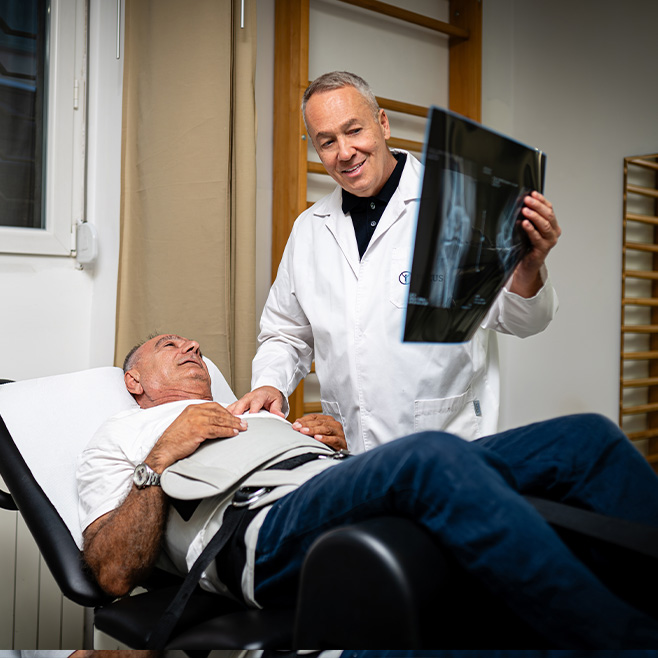
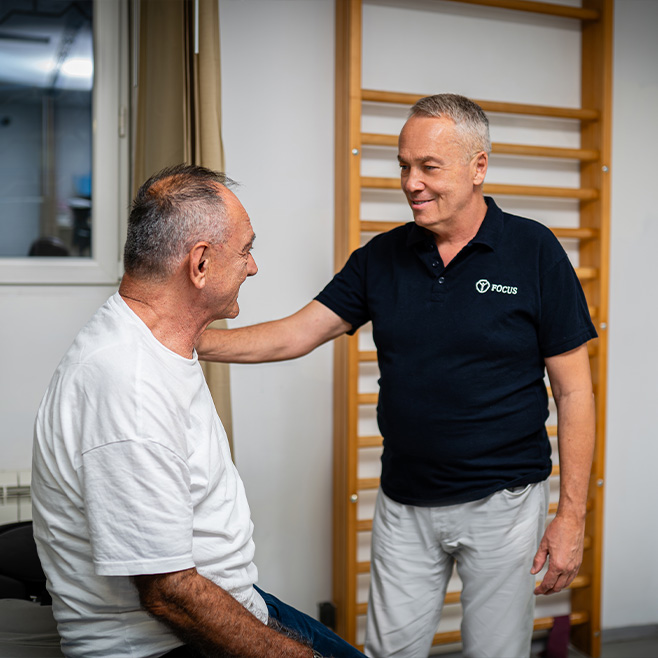
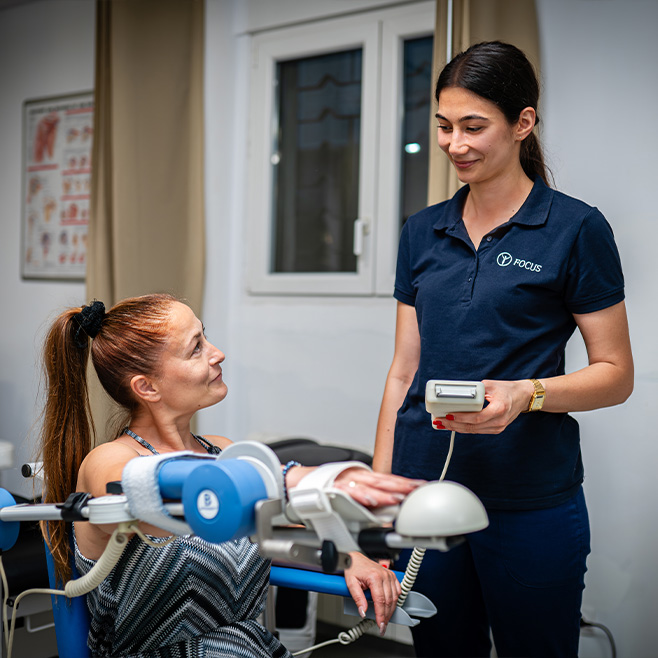
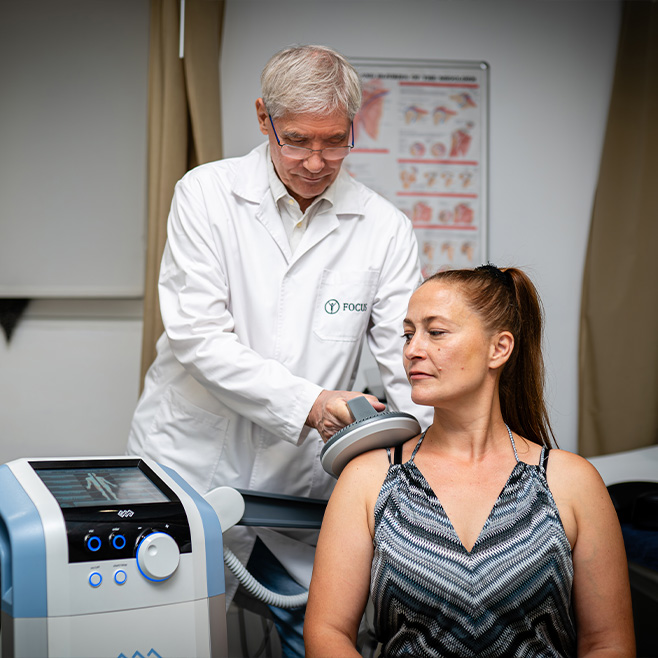
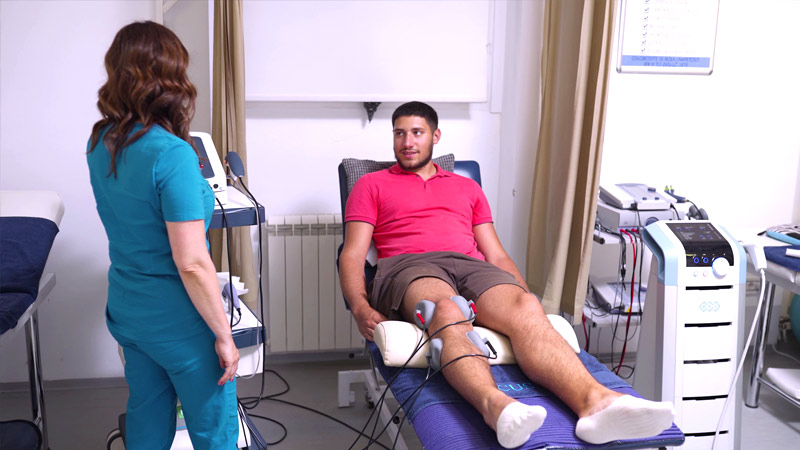

See the experiences of our satisfied patients who successfully recovered with the help of our physical therapy. Get acquainted with the testimonies of patients who faced various joint injuries, sports knee injuries, back injuries and similar problems, which we quickly, efficiently and successfully treated.
Aesthetic surgery
Focus Fizikal is a leading private clinic for physical therapy in Belgrade. For more than 10 years, we have been providing high-quality services that enable quick recovery and healing of our patients.




For all our current and future patients, we have made it possible to schedule an appointment online.



pon-pet:
08:00 - 20:00subota:
08:00 - 15:00


Mon-Fri:
08:00 - 20:00Saturday:
08:00 - 15:00