 +381 64 469 73 73
  Pain in the left thigh on the outer side
  Symptoms
  Causes
  Treatment
  FAQ
FAQ  Prices
  Gallery
  Testimonials
  Special offer
  Why choose us?
Cash
Through a current account

Focus Physical Therapy 100% guarantees fast and effective treatment.
SUPER DISCOUNT! 20% off all therapies in June! Call us 24/7!
Do not treat yourself based on information from the Internet!


Pain on the outer side of the left thigh is a specific symptom often described by patients as burning, numbness, or sharp pain that radiates from the hip to the knee. This area is biomechanically very stressed, as the outer side of the thigh bears pressure during walking, running, and prolonged standing. The pain arises when there is irritation of the peripheral nerves or overstretching of the dense connective tissue stabilizing the leg, leading to an inflammatory process that restricts daily activities.
The anatomy of the outer thigh is dominated by the iliotibial band (IT band)—a long tendon connecting the hip muscles to the knee. Pain primarily occurs due to the friction of this band against the bony prominence of the femur or pressure on the lateral femoral cutaneous nerve (Meralgia paresthetica). In individuals who wear tight clothing, are overweight, or engage in running on hard surfaces, chronic irritation of these structures can occur. Understanding whether the pain is superficial (skin-related) or deep (muscle-related) is crucial for choosing the appropriate therapy. Timely physiotherapy assessment at the Fizikalna Terapija Focus center allows for the release of the nerve from its "entrapment" and reduction of tension in the soft tissues.
The symptomatology of pain on the outer side of the left thigh varies from a "tingling" sensation to intense burning that worsens with touch or movement. Patients often notice that the symptoms become more pronounced after prolonged walking or when lying on the left side. The clinical presentation is specific, as the pain rarely radiates below the level of the knee but can be extremely persistent and disrupt sleep.
The most common symptoms accompanying pain on the outer side of the left thigh include:
These signs are clear indicators that the sensory nerve is under compression or that the mechanics of the iliotibial band are disrupted. Timely recognition of these signals allows the physiotherapist to apply decompression techniques that will immediately reduce irritation and restore normal sensation to the leg.
The etiology of pain on the outer side of the thigh includes mechanical factors, metabolic changes, and external influences. Factors such as sudden increases in physical activity, weakness of the gluteal muscles, and improper gait directly contribute to the development of symptoms. Although the pain is localized in the thigh, the cause often lies in the groin area or the hip itself, where the nerve passes through a narrow channel.
The main causes of pain on the outer side of the left thigh include:
Accurately determining whether the problem lies in the thigh, hip, or lower back allows for the creation of an individualized treatment plan. Each of the listed causes requires a specific therapeutic approach to eliminate inflammation and restore the functionality of the left leg.
Our approach to treating pain on the outer side of the thigh at Focus Physical Therapy Center is strictly individualized and aimed at the immediate elimination of the root cause – from nerve compression (meralgia paresthetica) and inflammation of the iliotibial band, to hip dysfunction and pelvic instability. We use the latest medical technology to relieve pressure on tissues, regenerate nerves, and restore optimal walking biomechanics, providing you with a sense of ease, stability, and a leg that is completely free in movement.
The rehabilitation process includes:
The comprehensive application of these advanced methods at Focus Physical Therapy Center guarantees maximum treatment efficacy, even for long-term neurological issues. With our personalized approach, you will regain trust in your body and be able to return to your daily tasks and sports without pain, tingling, or limitations.
What are the most common causes of pain on the outer side of the thigh?
The most frequent cause is Iliotibial Band Syndrome (ITBS), resulting from overuse of the tendon that stretches from the hip to the knee. Additionally, pain can stem from pressure on a sensory nerve in the groin (meralgia paresthetica) or referred pain from the lumbar spine.
Why does this pain often come with a tingling or burning sensation?
A burning or tingling sensation usually indicates a neurological cause. Pressure on nerves passing through the pelvis or lower back can trigger these sensations along the outer thigh, even when the muscle itself is not injured.
Which physical procedures fastest reduce tension in the outer thigh?
At our center, we use TECAR therapy for deep muscle and fascia relaxation, along with HILT laser to effectively suppress inflammation and pain. For chronic tendon tension, Shockwave therapy aids in tissue regeneration and restoring elasticity.
Is stretching alone enough to permanently eliminate this pain?
Stretching provides temporary relief, but a permanent solution requires strengthening the hip stabilizers and correcting gait biomechanics. Without proper kinesitherapy, the outer thigh will continue to experience excessive load, leading to a recurrence of symptoms.
When is additional diagnostics necessary for thigh pain?
Additional diagnostics (such as ultrasound or MRI) are recommended if the pain is accompanied by significant loss of leg strength, if the pain does not subside after several treatments, or if intense night pain occurs that does not stop with a change in position.
Cash
Through a current account
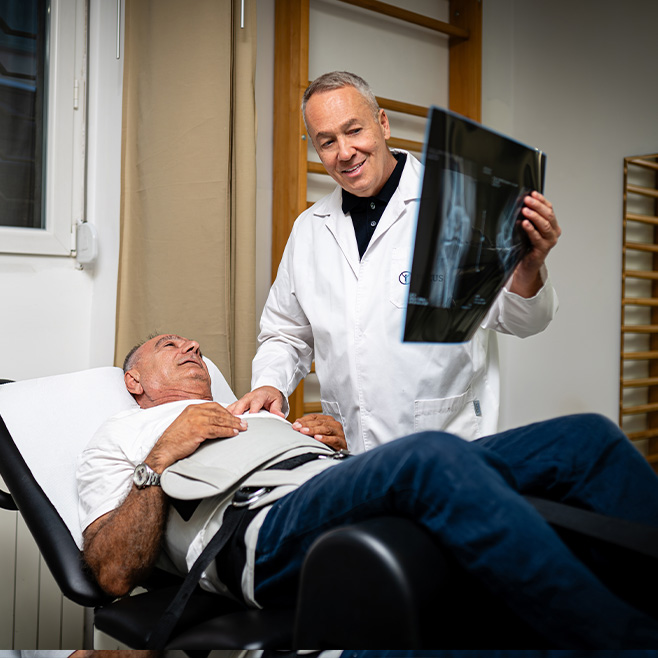
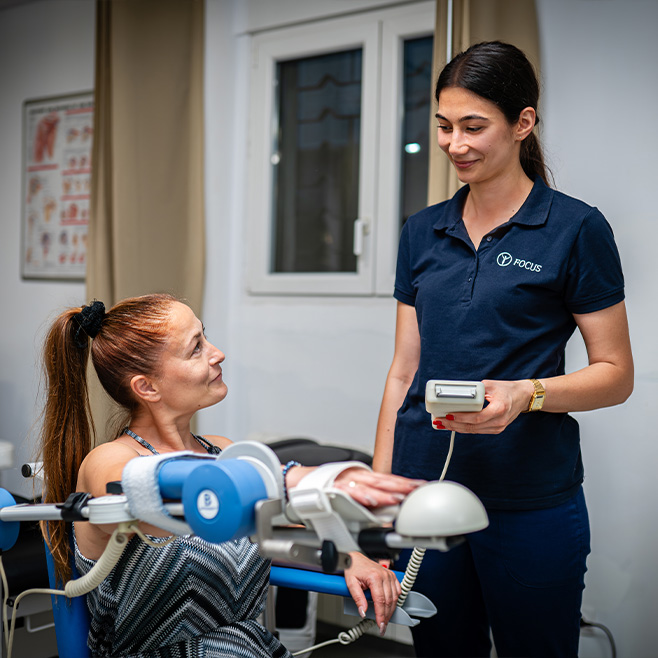
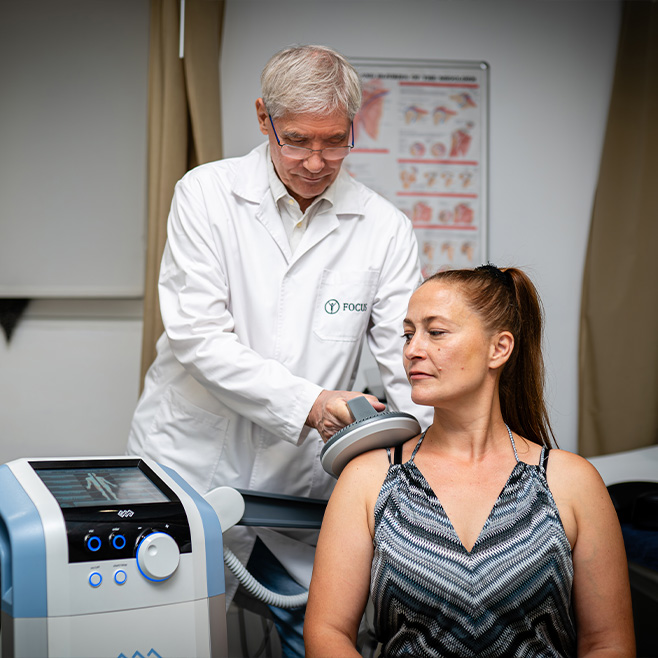
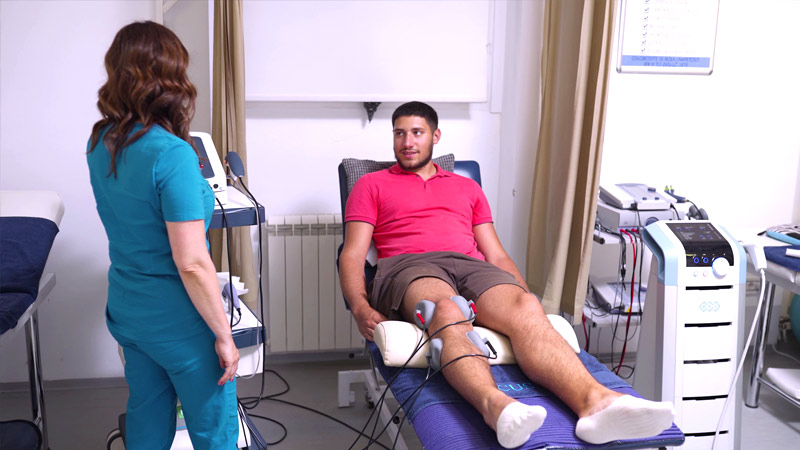

See the experiences of our satisfied patients who successfully recovered with the help of our physical therapy. Get acquainted with the testimonies of patients who faced various joint injuries, sports knee injuries, back injuries and similar problems, which we quickly, efficiently and successfully treated.
Aesthetic surgery
Focus Fizikal is a leading private clinic for physical therapy in Belgrade. For more than 10 years, we have been providing high-quality services that enable quick recovery and healing of our patients.




For all our current and future patients, we have made it possible to schedule an appointment online.



pon-pet:
08:00 - 20:00subota:
08:00 - 15:00


Mon-Fri:
08:00 - 20:00Saturday:
08:00 - 15:00