 +381 64 469 73 73
  Pain in the little finger of the left hand
  Symptoms
  Causes
  Treatment
  FAQ
FAQ  Prices
  Gallery
  Testimonials
  Special offer
  Why choose us?
Cash
Through a current account
Focus Physical Therapy 100% guarantees fast and effective treatment.
SUPER DISCOUNT! 20% off all therapies in May! Call us 24/7!
Do not treat yourself based on information from the Internet!


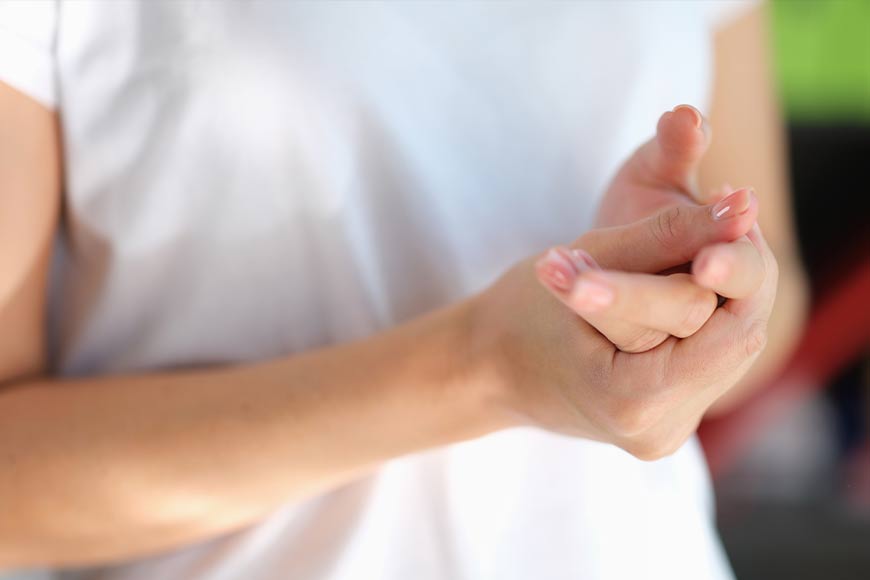
Pain in the left little finger is most commonly associated with irritation of the ulnar nerve, which extends from the neck, through the elbow, and down to the hand. This nerve is responsible for the sensation in the little finger and half of the ring finger, as well as the strength of the small muscles in the palm that enable precise movements. The pain can manifest as constant tingling, sharp, radiating pain, or loss of sensation, significantly hindering daily activities such as typing, holding objects, or playing musical instruments. Timely physical therapy is crucial to relieve pressure on the nerve pathway and prevent permanent weakness of the hand muscles.
The anatomy of the little finger includes three small bones connected by delicate ligaments and tendons that enable its great mobility. The key issue often lies not in the finger itself, but in the wrist joint (Guyon's canal) or elbow (cubital tunnel), where the ulnar nerve is most vulnerable to pressure. Understanding the biomechanics of the left hand is crucial, as many individuals use the left hand for static actions like holding a phone or leaning on the elbow, which directly compromises the nerve signal flow. Proper functioning of the nerve pathways ensures movement precision and preserves the muscle mass of the palm from atrophy. By maintaining the health of the ulnar region, we lay the foundation for full hand functionality and prevent the development of chronic clumsiness in the fingers.
The symptoms of pain in the left little finger vary from occasional tingling to intense pain that worsens with bending the elbow or wrist. Patients often report that their finger "tingles" at night or that they feel coldness and reduced sensation along the outer edge of the palm. The clinical picture may also include noticeable weakness in the grip, where the little finger begins to separate from the other fingers or curls into a claw-like position. These signals are a clear alarm that the nerve is under significant compression and that the tissue is not receiving adequate nutrition and stimulation. Recognizing specific symptoms at an early stage allows us to address the site of pressure before permanent nerve fiber damage occurs.
The most common symptoms include:
Timely recognition of these signals is crucial for preventing chronic muscle atrophy in the palm. Proper interpretation of the symptoms leads to a quicker return to functionality and eliminates the need for surgical nerve decompression.
The causes of pain in the left little finger are most commonly associated with prolonged pressure on the elbow or the base of the hand during work or sleep. Modern lifestyles, which involve hours of holding mobile devices with the elbow bent, lead to stretching of the ulnar nerve and a reduction in its conductivity. Although the pain is felt in the finger, the cause is often in the cervical spine (C7-T1 herniated disc) or in the elbow, where the nerve passes through a narrow bony canal. Identifying the factors that lead to mechanical irritation of the nerve allows us to correct the patient's habits and ensure long-term recovery. A detailed analysis of hand positioning during sleep and work helps create a plan that will permanently relieve pressure on the little finger.
The main causes include:
Understanding these causes allows us to focus treatment not just on the symptoms but on relieving the entire nerve pathway. By targeting the primary stress factors, we ensure the ulnar nerve receives the necessary rest for complete regeneration.
What are the most common causes of pain in the little finger of the left hand?
The most common causes of pain in the little finger of the left hand include injuries, such as dislocations or fractures, overuse of the hand (e.g., in sports or repetitive movements), nerve irritations like carpal tunnel syndrome, or inflammatory conditions such as arthritis.
How can pain in the little finger of the left hand be treated?
Treatment for pain in the little finger depends on the cause. For injuries, rest, cold compresses, and immobilization are recommended. In the case of inflammation, pain relievers and anti-inflammatory drugs can help. If the pain is due to nerve irritation, physical therapy or medications to reduce pressure on the nerves may be necessary.
Which exercises can help alleviate pain in the little finger of the left hand?
Stretching and strengthening exercises for the hand can help reduce pain, especially if the pain is caused by strain or nerve irritation. Gentle finger stretches, exercises to improve joint mobility, and strengthening exercises for the hand and wrist muscles are recommended.
When is pain in the little finger of the left hand a sign of a more serious condition?
Pain in the little finger can be a sign of a more serious condition if it is accompanied by swelling, redness, numbness, or loss of strength in the finger. Also, if the pain is related to joint or nerve injuries, or lasts more than a few days, it is important to consult a doctor.
How can pain in the little finger of the left hand be prevented?
Prevention includes avoiding repetitive strain on the finger, proper use of the hand, and taking breaks during activities that require intense hand use. It is also important to maintain good ergonomics, especially when using a keyboard or mouse, and regularly exercise to strengthen the hand and joints.
Cash
Through a current account
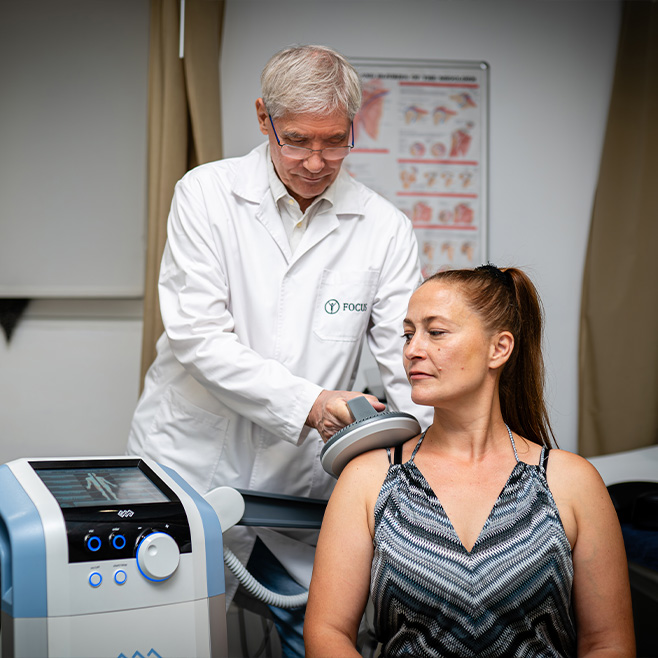
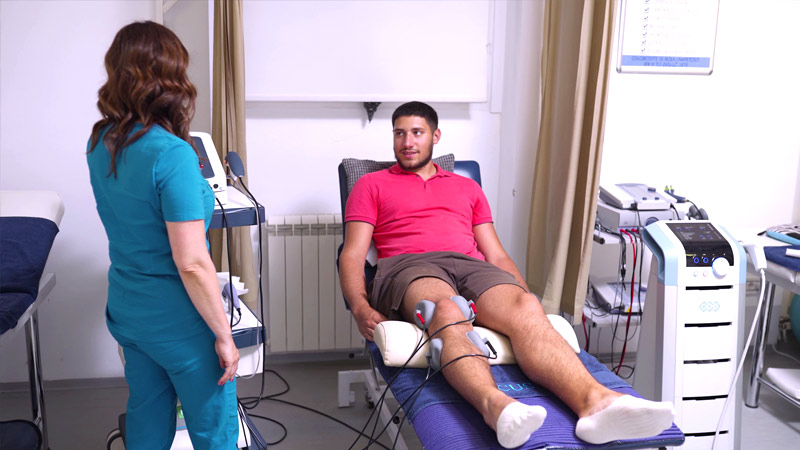

See the experiences of our satisfied patients who successfully recovered with the help of our physical therapy. Get acquainted with the testimonies of patients who faced various joint injuries, sports knee injuries, back injuries and similar problems, which we quickly, efficiently and successfully treated.
Aesthetic surgery
Focus Fizikal is a leading private clinic for physical therapy in Belgrade. For more than 10 years, we have been providing high-quality services that enable quick recovery and healing of our patients.




For all our current and future patients, we have made it possible to schedule an appointment online.



pon-pet:
08:00 - 20:00subota:
08:00 - 15:00


Mon-Fri:
08:00 - 20:00Saturday:
08:00 - 15:00