 +381 64 469 73 73
  Pain in the lower back on both sides
  Symptoms
  Causes
  Treatment
  FAQ
FAQ  Prices
  Gallery
  Testimonials
  Special offer
  Why choose us?
Cash
Through a current account
Focus Physical Therapy 100% guarantees fast and effective treatment.
SUPER DISCOUNT! 20% off all therapies in June! Call us 24/7!
Do not treat yourself based on information from the Internet!
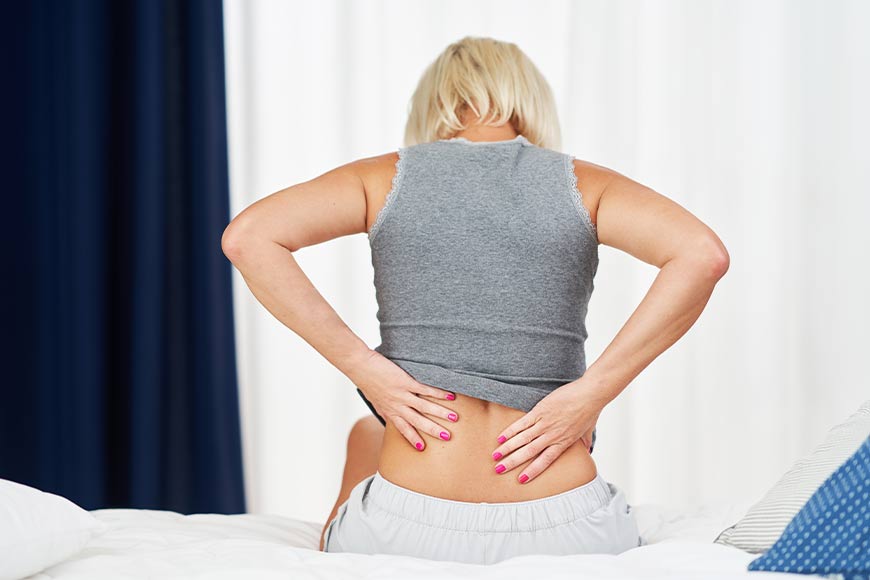
The lumbar part of the spine (lumbal segment) consists of five large and robust vertebrae surrounded by a strong muscular “corset” and ligaments. The function of this region is to provide stability to the entire trunk, allow bending and rotation, and absorb the load generated during movement. When we sit for hours at work or in a car, the muscles on both sides of the spine (erector spinae, quadratus lumborum) are under continuous static tension, which over time leads to spasm, reduced circulation, and the development of bilateral pain.
At the Focus Physical Therapy Center, we approach bilateral lower back pain with great responsibility and care. We are aware that patients often describe this condition as a deep, dull, and tiring pressure in the lower back that makes it difficult to get out of bed or stand for long periods. Very often, we encounter so-called mechanical lumbar syndrome, where, due to weak abdominal (core) muscles, the lower back muscles must work “double shifts” to keep the body upright. In addition, bilateral pain can be an early sign of degenerative changes in the intervertebral discs (discopathy) or facet joints, leading to morning stiffness that only eases after gentle movement.
In conclusion, delaying treatment and ignoring long-term bilateral lower back pain leads to chronic muscle tightness, significantly increasing the risk of sudden “locking” of the back.
Symptoms of bilateral lower back pain range from a constant feeling of tightness to sharp pain that intensifies during bending, twisting, or prolonged standing. Patients often describe a sense of “heaviness” in the lower back and a need to constantly adjust their position to relieve pressure. The clinical picture is specific because the pain can radiate laterally toward the hips or downward toward the lower abdomen, creating an overall feeling of stiffness in the waist. These signs clearly indicate that the supporting structures of the spine are overloaded and that the muscular system has entered a state of chronic fatigue. Recognizing these specific symptoms allows us to address the source of tension before it causes more serious neurological issues.
The most common symptoms include:
Timely recognition of these signs is crucial for preventing acute lumbago and disc herniation. Correct interpretation of symptoms leads to a faster return of functionality and eliminates the constant feeling of exhaustion in the back.
Causes of Lower Back Pain on Both Sides are often related to postural stress, such as improper sitting, or repeated microtrauma from physical work. Modern lifestyles lead to weakened trunk stabilizers, which forces the muscles of the lower back to remain in constant contraction in order to maintain spinal balance. Although the pain is felt in the muscles, the root of the problem may lie in mild dehydration of the intervertebral discs or facet joints that no longer properly absorb pressure. Identifying the factors that lead to symmetrical pain in the lower back allows us to correct the patient's habits and prevent recurrences. A detailed analysis of movement and load helps create a plan that will restore elasticity to the lumbar area.
Main Causes Include:
Understanding these causes allows us to direct treatment toward strengthening the entire muscular support system, rather than just local pain relief. By focusing on eliminating primary risk factors, we ensure the lower back gains the stability needed for daily function.
Our approach to treating lower back pain at Focus Physical Therapy is strictly individualized and focused on the permanent elimination of the root cause – from bilateral nerve compression to deep spasms caused by poor posture or overloading. We use the most advanced global technologies for non-surgical decompression and deep muscle regeneration, restoring strength, elasticity, and full mobility to your back without pain.
The process includes:
The comprehensive application of these advanced methods guarantees maximum therapeutic effectiveness, even in long-term painful syndromes. With the personalized approach of Focus Physical Therapy, you will regain an upright posture and be able to perform all activities with a strengthened back and permanently improved biomechanics.
What can cause pain in the lower back on both sides?
Pain in the lower back on both sides can be caused by various factors. The most common causes include muscle strain due to exertion, excessive exercise, or poor posture. Kidney problems (e.g., kidney stones, kidney infection) can also cause pain in the lower back. Digestive issues, such as irritable bowel syndrome or appendicitis, may also be the cause. In some cases, the pain may be related to spinal or nerve problems.
What are the symptoms of pain in the lower back on both sides?
Symptoms of lower back pain on both sides may include pain in the lower back on both sides, which can be sharp, dull, or stabbing. The pain may worsen with movement, bending, or lifting heavy objects. Swelling, tenderness, or tingling in the legs may also be present. If the pain is caused by kidney issues, symptoms may include painful urination, dark-colored urine, or fever.
How is pain in the lower back on both sides diagnosed?
The diagnosis of lower back pain on both sides typically begins with a physical examination and analysis of symptoms. The doctor may examine your spine, muscles, and palpate the area of your lower back. If kidney problems are suspected, laboratory tests such as urine analysis or blood tests, as well as imaging (ultrasound, CT scan, or MRI), may be recommended.
How is pain in the lower back on both sides treated?
Treatment for lower back pain depends on the cause. If the pain is caused by muscle strain, rest, cold compresses, and pain relievers can help. Physical therapy and stretching exercises may also be helpful for strengthening muscles and improving mobility.
How can lower back pain on both sides be prevented?
Preventing lower back pain involves maintaining good posture, regular exercise, and strengthening the muscles of the back, core, and abdomen. It is also important to avoid overloading and improper lifting of heavy objects, as well as incorporating regular breaks during prolonged sitting.
Cash
Through a current account
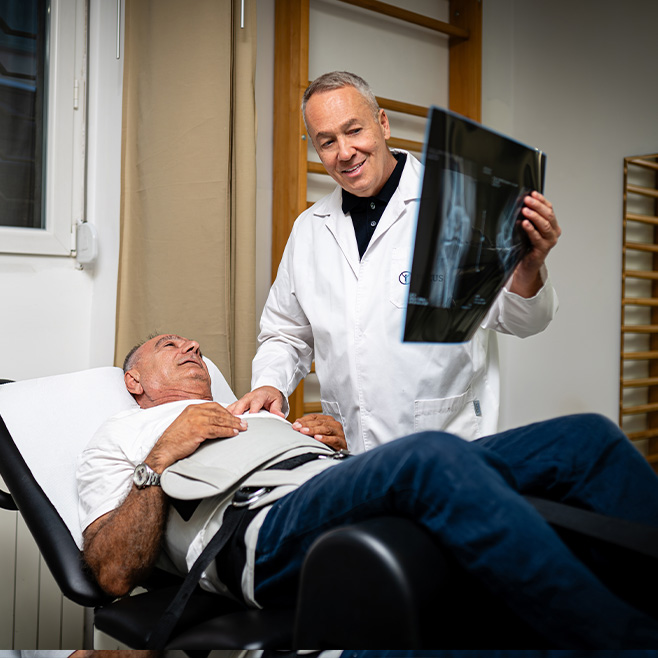
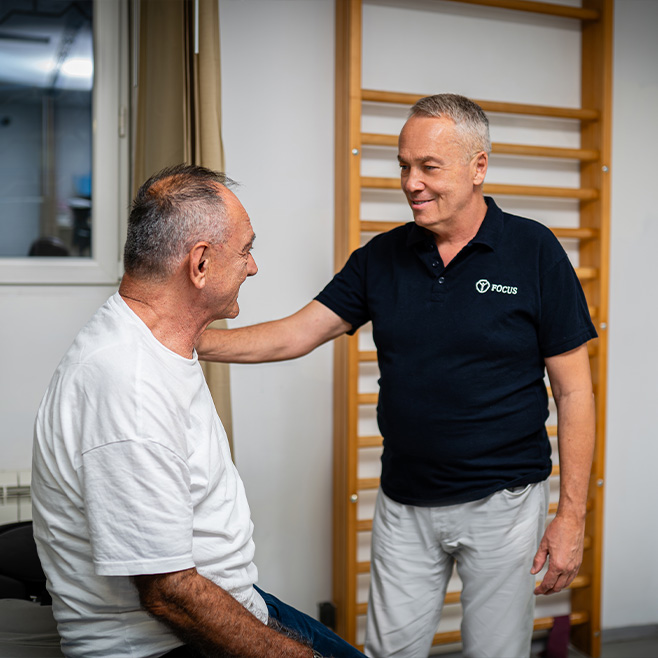
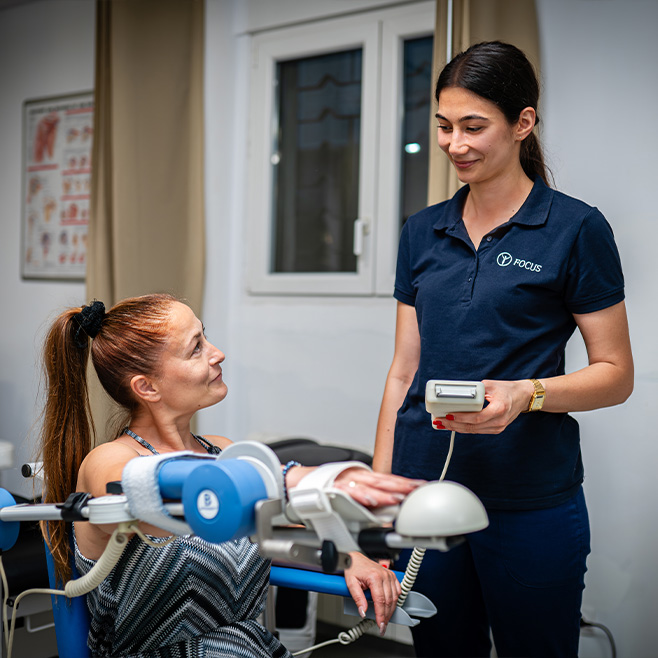
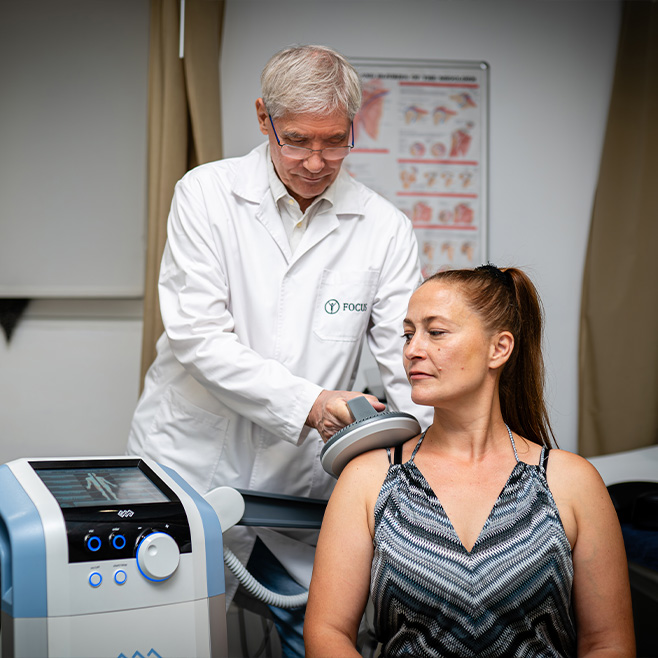
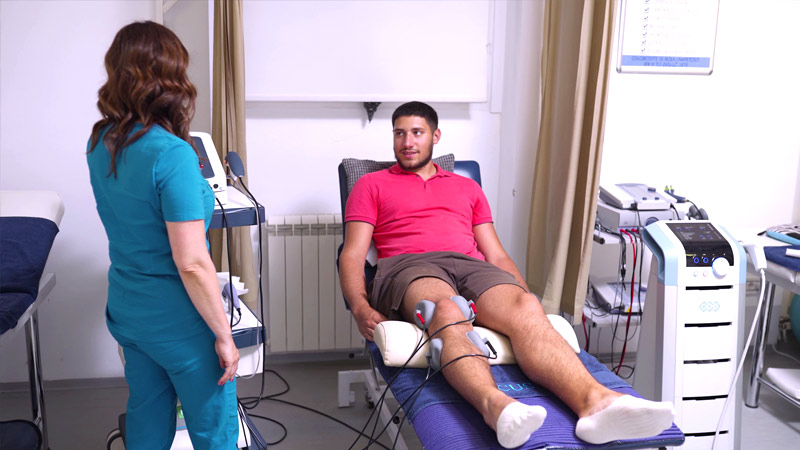

See the experiences of our satisfied patients who successfully recovered with the help of our physical therapy. Get acquainted with the testimonies of patients who faced various joint injuries, sports knee injuries, back injuries and similar problems, which we quickly, efficiently and successfully treated.
Aesthetic surgery
Focus Fizikal is a leading private clinic for physical therapy in Belgrade. For more than 10 years, we have been providing high-quality services that enable quick recovery and healing of our patients.



For all our current and future patients, we have made it possible to schedule an appointment online.


pon-pet:
08:00 - 20:00subota:
08:00 - 15:00


Mon-Fri:
08:00 - 20:00Saturday:
08:00 - 15:00