 +381 64 469 73 73
  Pain in the lower back on the left side
  Symptoms
  Causes
  Treatment
  FAQ
FAQ  Prices
  Gallery
  Special offer
  Why choose us?
Cash
Through a current account
Focus Physical Therapy 100% guarantees fast and effective treatment.
SUPER DISCOUNT! 20% off all therapies in June! Call us 24/7!
Do not treat yourself based on information from the Internet!


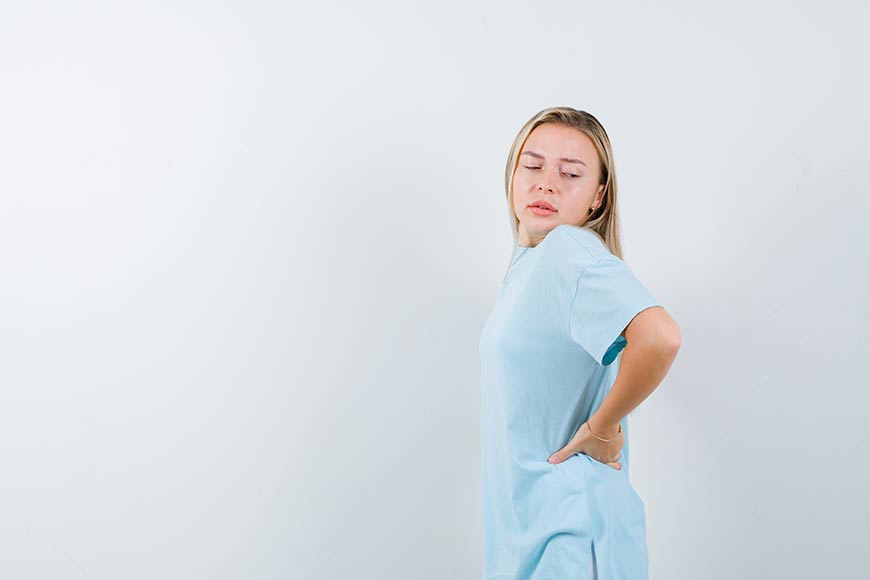
Pain in the lower back on the left side is a specific manifestation of musculoskeletal disorders that indicates a disruption in the body's biomechanical balance. This region includes the left half of the lumbar vertebrae, the left sacroiliac joint (the junction between the spine and pelvis), and the associated muscle groups that stabilize the torso. While the spine is designed to symmetrically distribute load, daily habits such as leaning on the left leg while standing, certain work postures, or muscle weakness on one side of the body can lead to overloading of structures exclusively on the left side.
The anatomy of this area includes the nerve roots that form the left side of the sciatic nerve, as well as muscles such as the quadratus lumborum, which connects the ribs, spine, and pelvic bone. Pain occurs when there is unilateral narrowing of the space between the vertebrae, irritation of the nerve root, or soft tissue spasms. In many cases, pain on the left side is the result of long-term adaptation to poor posture or compensation due to issues in the left hip or foot. Understanding the connection between the stability of the left side of the pelvis and the mobility of the lower back is crucial for identifying the cause of the discomfort. Timely physical therapy diagnosis prevents the development of chronic asymmetry and permanent degenerative changes.
Symptoms of lower back pain on the left side range from a dull, constant discomfort in the lumbar region to sharp, radiating pain that occurs during trunk rotation to the right. Patients often describe a feeling of tightness extending from the lower ribs toward the left gluteal region, sometimes with a need to support the painful area with the hand to relieve pressure. The clinical picture is specific because the pain is often localized, but can intensify with certain movements such as lifting the left leg.
The most common symptoms accompanying left-sided lower back pain include:
These signs clearly indicate that the bone and joint structures or soft tissues on the left side of the back are under stress that requires professional evaluation. Early recognition of symptoms allows the physiotherapist to restore body symmetry and prevent the development of more severe forms of lumbar syndrome.
The causes of pain on the left side of the back are most commonly associated with mechanical dysfunction, muscle imbalances, and postural stress. Factors such as carrying a bag on the left shoulder, sleeping exclusively on one side, or weakness in the deep abdominal stabilizers directly contribute to the onset of unilateral pain. Although the symptoms are felt in the back, the underlying cause is often found in hip asymmetry or foot problems that alter walking mechanics.
The main causes of lower back pain on the left side include:
Accurately determining whether the pain is primarily of bone or muscle origin enables the creation of an individualized treatment plan. Each of the listed causes requires a specific rehabilitation approach to achieve lasting pain relief and restore body balance.
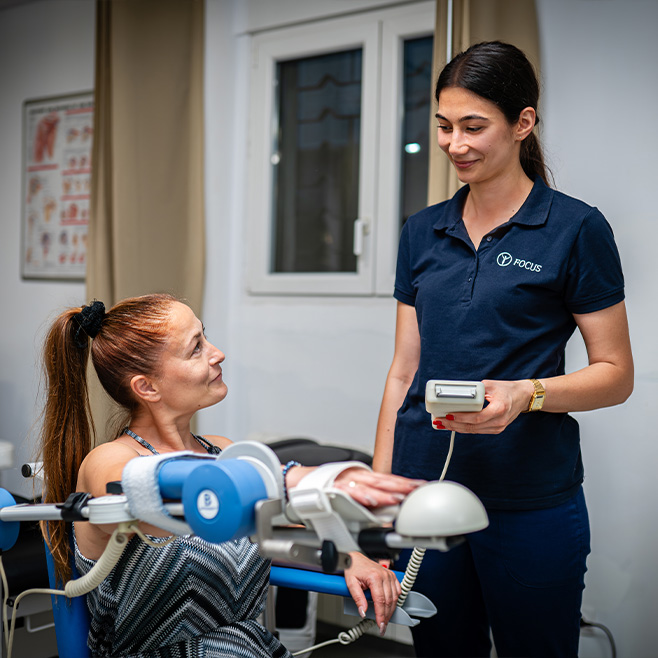
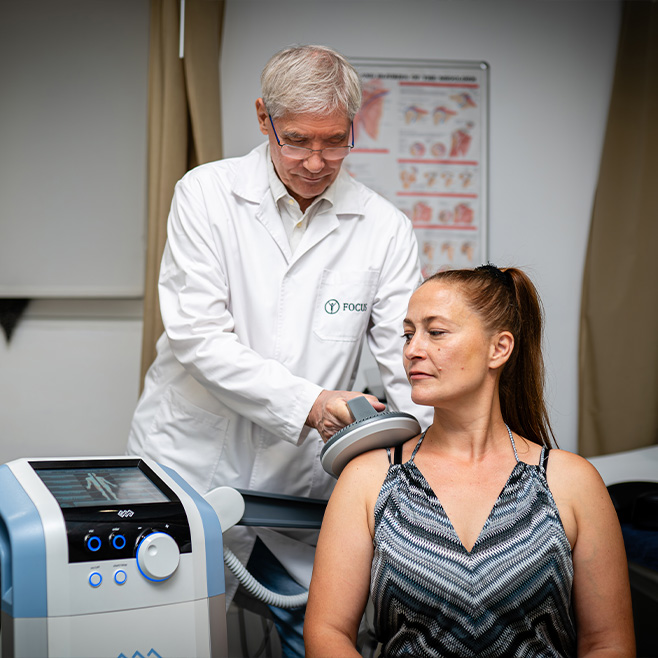
At Focus Physical Therapy, our approach to treating unilateral lower back pain is strictly individualized and aimed at permanently eliminating the causes – from functional pelvic asymmetry and facet joint blockages to muscle spasms caused by improper loading. We use the latest medical technologies that deeply regenerate tissues and decompress nerves, restoring ideal balance, stability, and pain-free movement to your spine.
The process includes:
The comprehensive application of these advanced methods guarantees maximum therapeutic effectiveness, even in long-lasting, chronic conditions. With the personalized approach at Focus Physical Therapy, you will regain full stability on the left side of your back and be able to return to all activities without any limitations.
What are the most common causes of one-sided lower back pain?
Pain localized strictly to the left side is most often associated with muscular imbalances, spasms of the quadratus lumborum muscle, or issues with the sacroiliac (SI) joint, which connects the pelvis to the spine. Additionally, the cause may be nerve root irritation due to disc herniation or degenerative changes in the vertebrae pressing on nerves on the left side.
When does pain in the left side of the back indicate a need for physical therapy?
Physical therapy is necessary if the pain lasts longer than a few days, intensifies during specific movements (such as bending or rotating), or radiates toward the hip and leg. Early intervention prevents the body from developing compensatory mechanisms that could lead to spinal misalignment and pain in other regions.
Which physical procedures yield the best results for lumbar syndrome?
In modern rehabilitation, combined methods have proven most effective: HILT laser for deep inflammation reduction, TECAR therapy for immediate muscle spasm relaxation, and spinal decompression (manual or mechanical) to reduce pressure on intervertebral discs and nerves.
How important is kinesitherapy for the permanent elimination of pain?
Physical procedures are essential for eliminating acute pain, but kinesitherapy (targeted exercises) is the only way to prevent the problem from returning. The focus is on strengthening the deep core stabilizers and stretching shortened muscle chains, achieving proper spinal alignment and balanced loading on both sides of the back.
Is an MRI scan necessary before starting physical therapy?
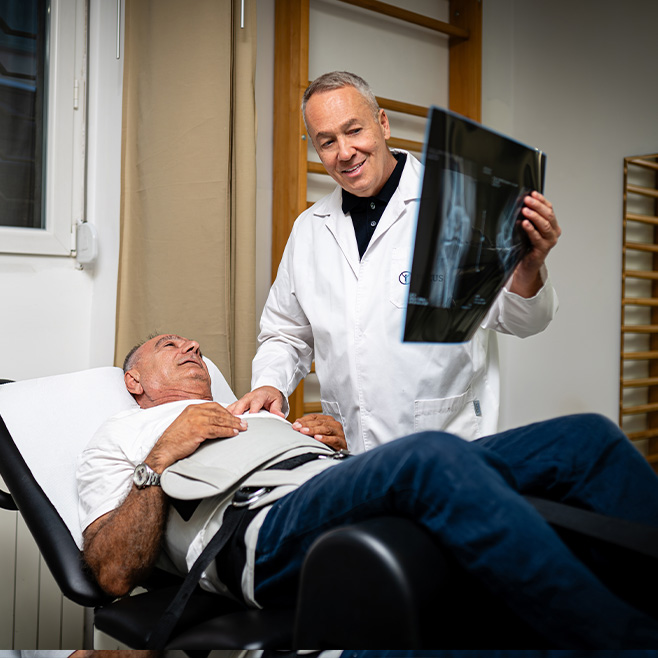
While scans like MRI or X-ray provide insight into structural changes, an expert physical therapist can begin treatment based on a detailed functional exam and clinical tests. If more serious damage is suspected during the assessment, the patient is referred for additional diagnostics; however, for most mechanical pains, therapy can start immediately to provide relief.
Cash
Through a current account
Aesthetic surgery
Focus Fizikal is a leading private clinic for physical therapy in Belgrade. For more than 10 years, we have been providing high-quality services that enable quick recovery and healing of our patients.




For all our current and future patients, we have made it possible to schedule an appointment online.



pon-pet:
08:00 - 20:00subota:
08:00 - 15:00


Mon-Fri:
08:00 - 20:00Saturday:
08:00 - 15:00