 +381 64 469 73 73
  Pain in the lower spine
  Symptoms
  Causes
  Treatment
  FAQ
FAQ  Prices
  Gallery
  Testimonials
  Special offer
  Why choose us?
Cash
Through a current account

Focus Physical Therapy 100% guarantees fast and effective treatment.
SUPER DISCOUNT! 20% off all therapies in June! Call us 24/7!
Do not treat yourself based on information from the Internet!


Pain in the lower spine, also known as lumbar pain, is one of the most common health problems of modern times and occurs in a large number of adults at some point in life. The lumbar region consists of the five largest and strongest vertebrae (L1-L5), which bear most of the body’s weight and allow bending, extension, and rotation of the trunk. Due to its position between the relatively rigid thoracic spine and the pelvis, this segment is exposed to significant mechanical strain, especially during prolonged sitting, poor posture, and lifting heavy objects.
The anatomy of the lower back includes the vertebrae, intervertebral discs that act as shock absorbers, as well as a complex network of ligaments and stabilizing muscles, including the erector spinae muscles and the deep trunk muscles. Nerve roots pass through the spinal canal and innervate the lower extremities, so disorders in this region may cause symptoms that radiate beyond the site of the problem itself. Pain most commonly occurs due to overload, nerve irritation, changes in the intervertebral discs, or spasm of the surrounding muscles that react as a protective mechanism. Understanding the relationship between trunk stability, lumbar spine load, and everyday habits is important for properly identifying the cause of the symptoms. Timely physiotherapy assessment and appropriately directed treatment can help reduce pain and prevent acute symptoms from progressing into a chronic condition that significantly impairs quality of life.
Lower back pain can vary in intensity and duration, ranging from mild stiffness after waking up to sharp, stabbing pains that significantly limit movement and daily activities. Patients often describe a sensation of "heaviness" in the lower back, difficulty fully straightening up after prolonged sitting, or deep discomfort that worsens when coughing, sneezing, or making sudden movements. The clinical picture is complex because the intensity of pain does not always correspond directly to the degree of tissue damage and can be amplified by the body's protective reflex mechanisms.
Common symptoms include:
Timely recognition of these symptoms allows specialists to implement targeted physical therapy, reduce pain, restore function, and prevent the progression of degenerative changes in the lumbar spine.
Our approach to treating lower back pain at Focus Physical Therapy Center is individualized and focused on permanently eliminating the root cause, rather than simply masking the symptoms. We use the latest global protocols for fast pain relief and tissue regeneration, enabling you to return to movement without the fear of another "slip."
The process includes:
Regular adherence to the recommended exercise program and education on protective postures while sitting and lifting ensures long-term maintenance of the achieved results. This comprehensive treatment at Focus Physical Therapy Center not only eliminates lower back pain but also restores full functionality and confidence in your daily activities.
Why does lower back pain occur after prolonged sitting?
Prolonged sitting leads to the weakening of abdominal and back muscles, forcing the vertebrae and discs in the lumbar region to bear the entire weight of the upper body. Due to this pressure, circulation in soft tissues decreases, and ligaments become stiff, causing a dull ache and a feeling of rigidity when standing up. At the Focus Physical Therapy center, we treat this issue with targeted procedures that restore elasticity to the deep muscles of the back.
What are the most effective therapies for treating lower back pain?
A modern approach to treating lower back pain involves the application of tecar therapy and high-inductive magnetism. Tecar therapy deeply warms the painful area and accelerates the drainage of inflammatory factors, while the magnet acts to regenerate tissue and soothe irritated nerve roots. These methods allow the patient to feel relief after the very first visit, without the need for aggressive medications.
Can lower back pain resolve on its own with rest?
While rest can temporarily calm the pain, it does not resolve the mechanical cause of the problem, such as a herniated disc or degenerative changes in the vertebrae. Passive rest for more than two days can even worsen the condition as muscles atrophy, further destabilizing the spine. Physical therapy is necessary to offload the joints and restore the muscles to a function that allows painless movement.
How many treatments are needed to stabilize the lumbar region?
The recovery timeframe depends on the intensity of the pain and the condition of the spinal column. Most patients feel a significant reduction in pain and easier mobility after the first three to four treatments. However, for long-term stabilization and strengthening of the core muscles that protect the spine, a cycle of ten to fifteen working days is usually recommended.
When is lower back pain a sign that you should visit a physical therapist?
If pain occurs daily, if you feel a "sharp catch" during sudden movements, or if the pain begins to spread toward the hip and leg, it is time for professional help. Ignoring these symptoms often leads to more severe disc damage, so timely intervention at the Focus Physical Therapy center is the best way to avoid complications and regain quality of life.
Cash
Through a current account
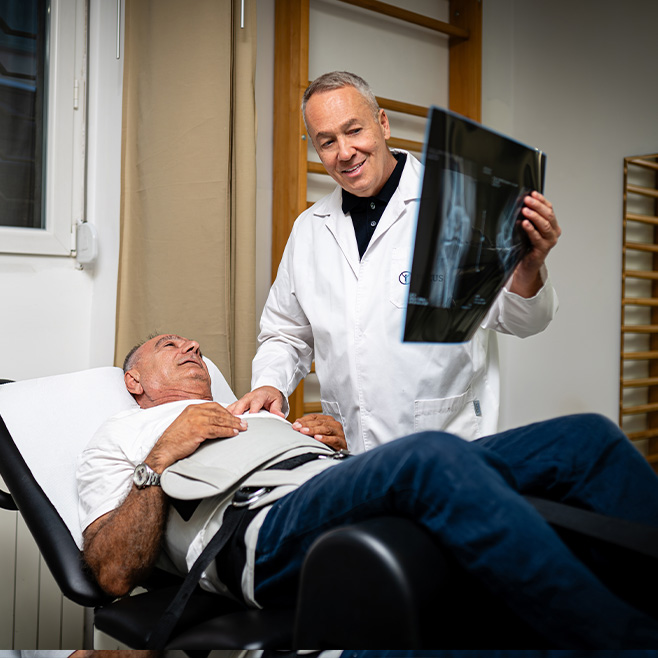
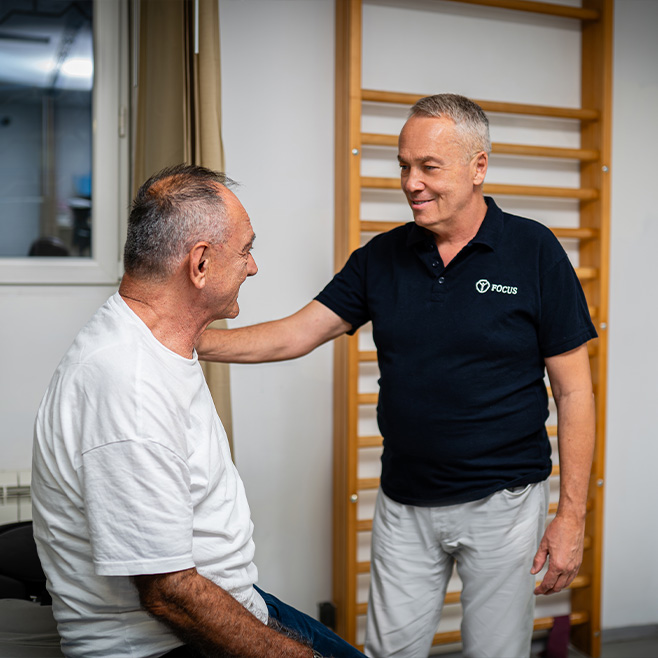
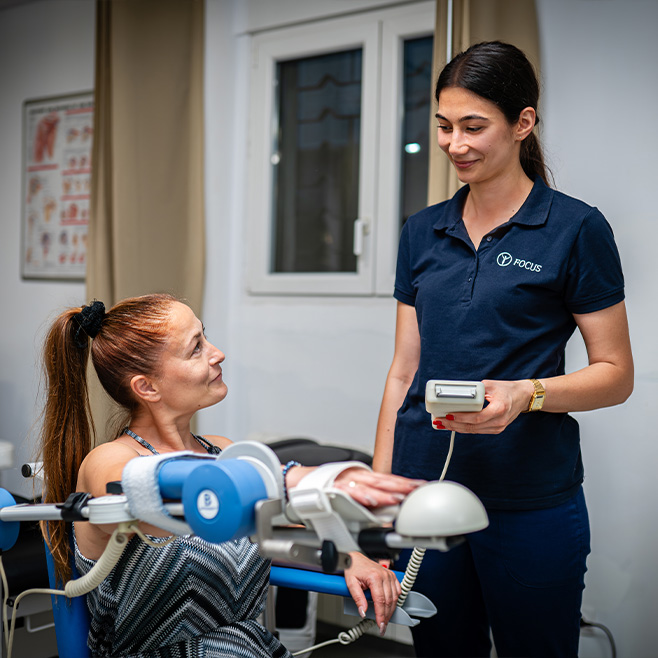
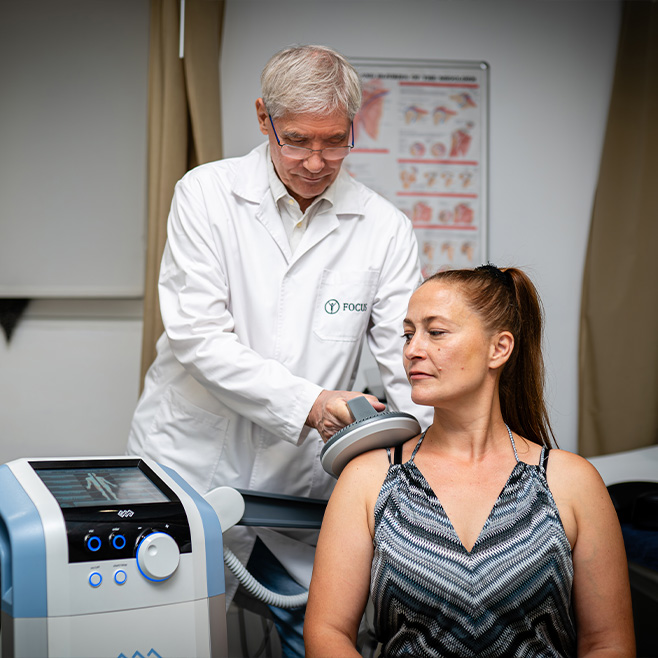
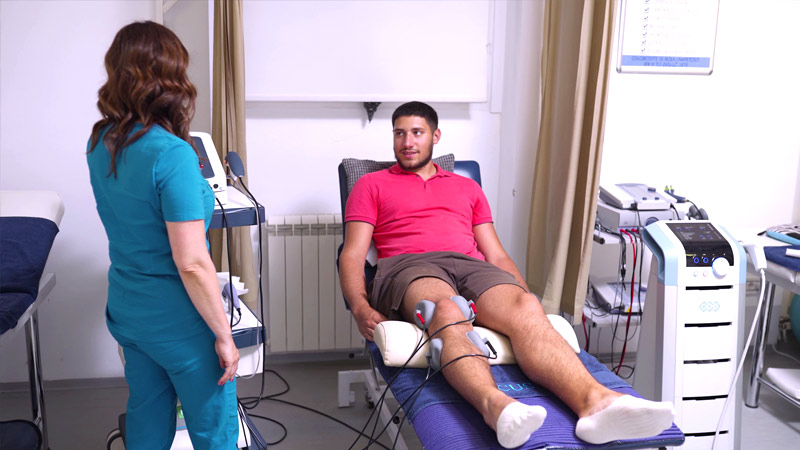

See the experiences of our satisfied patients who successfully recovered with the help of our physical therapy. Get acquainted with the testimonies of patients who faced various joint injuries, sports knee injuries, back injuries and similar problems, which we quickly, efficiently and successfully treated.
Aesthetic surgery
Focus Fizikal is a leading private clinic for physical therapy in Belgrade. For more than 10 years, we have been providing high-quality services that enable quick recovery and healing of our patients.




For all our current and future patients, we have made it possible to schedule an appointment online.



pon-pet:
08:00 - 20:00subota:
08:00 - 15:00


Mon-Fri:
08:00 - 20:00Saturday:
08:00 - 15:00