Pain in the lumbar region of the back, treatment: Focus Fizikal✓

Physical therapy Belgrade | Pain in the lumbar region of the back

Pain in the lumbar region of the back

Pain in the lumbar region of the back, Belgrade. BEST PRICE✓ Treatment: lumbar stiffness, lumbago, muscle spasm, degenerative changes✓ Decompression, laser, Tecar, vacuum✓

Focus Physical Therapy 100% guarantees fast and effective treatment.

SUPER DISCOUNT! 20% off all therapies in September! Call us 24/7!

Do not treat yourself based on information from the Internet!

  • First Facility
  • First Facility
  • Treatment
  • First Facility
  • Pain in the lumbar region of the back

Pain in the lumbar region of the back

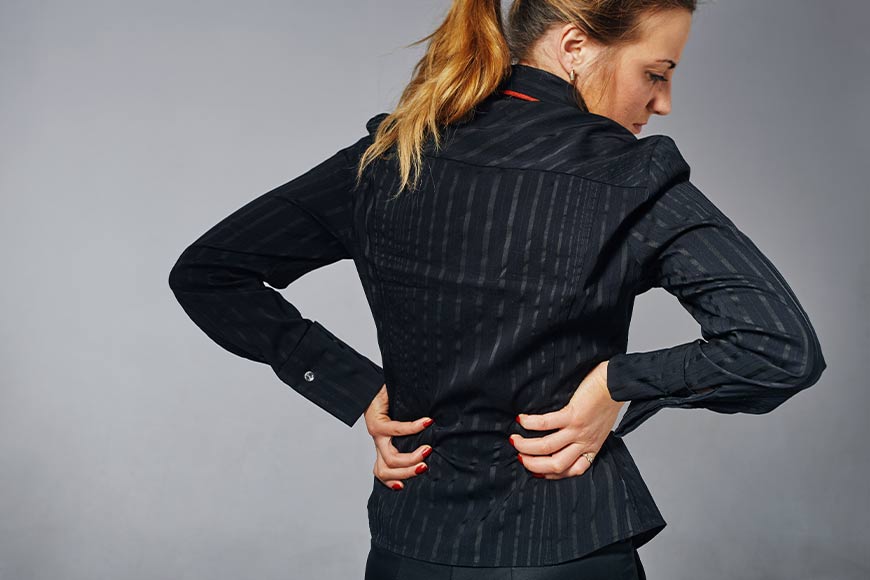
Low back pain is one of the most common health issues in modern society, referring to pain localized in the lower back, below the ribs, and above the buttocks. This region bears the majority of the body’s weight and experiences the strongest mechanical forces during movement, making it highly susceptible to injuries and degenerative processes. Pain can appear suddenly, as a result of lifting a heavy object or an improper movement, but it can also develop gradually as a dull discomfort that doesn’t go away. Timely physical therapy is essential to relieve pressure from the vertebrae and prevent pain from radiating into the legs or causing permanent stiffness.

The anatomy of the lumbar region consists of five large vertebrae, which are interconnected by discs, joints, and a strong muscular framework. The discs act as shock absorbers that prevent bone friction, but due to aging or excessive strain, they can lose their elasticity and cause painful nerve irritation. Understanding the statistics of the spine is crucial, as any weakening of the abdominal and back muscles directly exposes the lumbar region to damage. Proper function of the lower back ensures the stability of the entire body and allows for the safe execution of complex movements such as bending and rotating. By preserving the health of the lumbar region, we lay the foundation for an active life without limitations and prevent the development of chronic disabling conditions.

Symptoms

The symptoms of low back pain most often manifest as sharp stiffness that prevents straightening the back or as a dull pain radiating to the side. Patients often describe a "radiating" sensation in the lower back that intensifies with prolonged sitting or when trying to stand up from a chair. The clinical picture may also include muscle cramps in the back, a feeling of heaviness in the legs, and reduced mobility in the entire lower torso. These signals are a clear indication that the mechanics of the vertebrae are compromised and that the tissues around the spine are under excessive strain. Recognizing specific symptoms at an early stage allows us to address the spasm before a more serious disc injury develops.

The most common symptoms include:

  • Sharp, stabbing pain during movement: Pain that cuts through the lower back when attempting to bend, straighten, or rotate the trunk.
  • Localized stiffness and muscle spasm: A sensation that the muscles in the lower back are rigid like a board, forcing the patient to walk bent to the side or forward.
  • Deep, dull pain during prolonged sitting or standing: Discomfort that gradually increases and creates constant pressure in the lumbar region.
  • Radiating pain toward the buttocks: Pain that partially projects from the lower back into the gluteal region (buttocks) and upper hips.
  • Pronounced morning stiffness: Difficulty getting out of bed immediately after waking, requiring time to “loosen up” and start moving normally.

Timely recognition of these signals is crucial for preventing sciatica and permanent neurological damage. Proper interpretation of symptoms leads to a faster return of functionality and eliminates the feeling of constant uncertainty in movement.

Causes

  • Muscle strain
  • Herniated disc
  • Spondylosis
  • Poor posture 

The causes of low back pain most often stem from a combination of poor posture, excess weight, and weakness in the muscles that should protect the spine. Modern lifestyle and prolonged sitting exhaust the ligaments and discs, leading to premature wear and the onset of pain. While sudden injuries are a common trigger, chronic discomfort is usually the result of accumulated mechanical stress due to a lack of physical activity. Identifying the factors that lead to lumbar instability allows us to correct the patient’s habits and ensure long-term tissue resilience. A detailed analysis of the pelvic statics and foot positioning helps create a plan that will permanently relieve the pressure on the lower back.

The main causes include:

  • Lumbar disc herniation and degenerative changes in intervertebral discs – displacement or damage to the disc can put pressure on the nerve roots, causing pain and numbness in the legs.
  • Spondylosis and osteoarthritis of the spinal joints – age-related degenerative processes narrow the space for nerve structures, increasing stiffness and pain in the back.
  • Myofascial pain – painful knots (trigger points) in the deep back muscles cause localized pain and reflexive tightening of surrounding muscles.
  • Muscle spasms – exposure to drafts or sudden temperature changes can trigger sudden muscle contractions, leading to acute pain and restricted movement.
  • Ligament overstrain – sports activities, heavy physical labor, or improper movements can cause micro-injuries to ligaments, contributing to pain and spinal instability.

Understanding these causes allows us to focus the treatment not just on pain relief but on the lasting strengthening of the muscular framework. By addressing the primary risk factors, we ensure the lumbar region gets the necessary rest and optimal conditions for quality regeneration.

Treatment

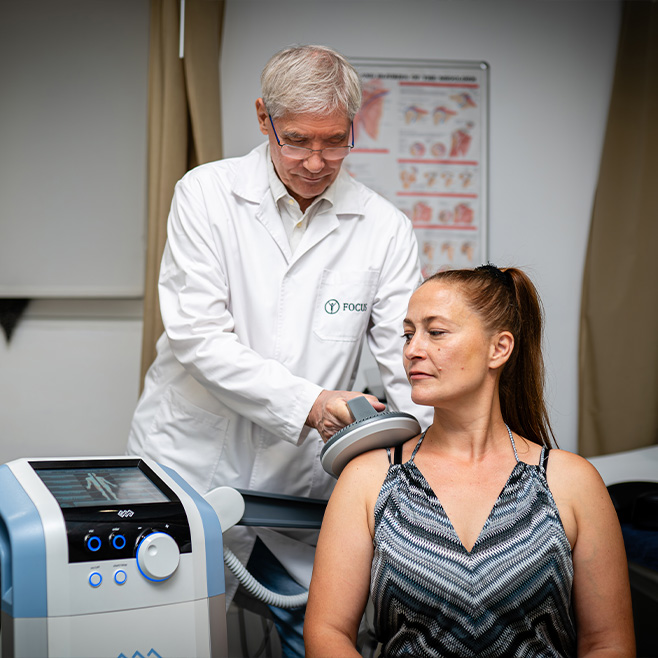
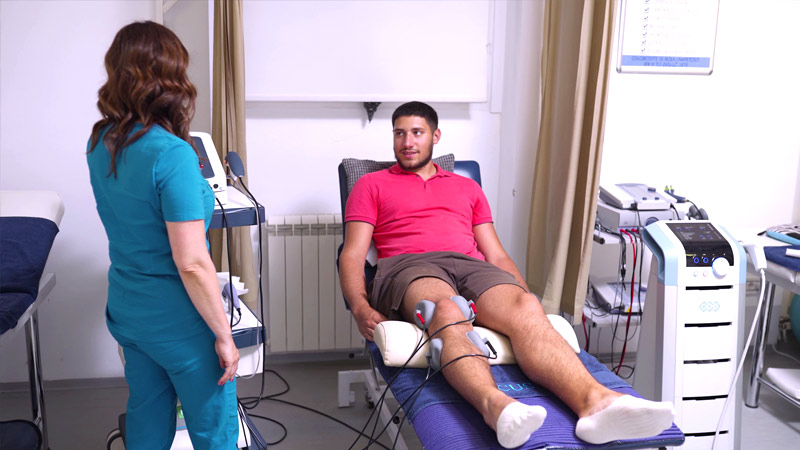
Our approach to treating lower back pain at the Focus Physical Therapy Center is individualized and focused on permanently eliminating the underlying cause—ranging from nerve compression to deep muscle spasms—rather than merely masking symptoms. We use the most advanced global non-surgical decompression protocols and regenerative medicine techniques to restore full spinal mobility, strength, and pain-free stability.

The process includes:

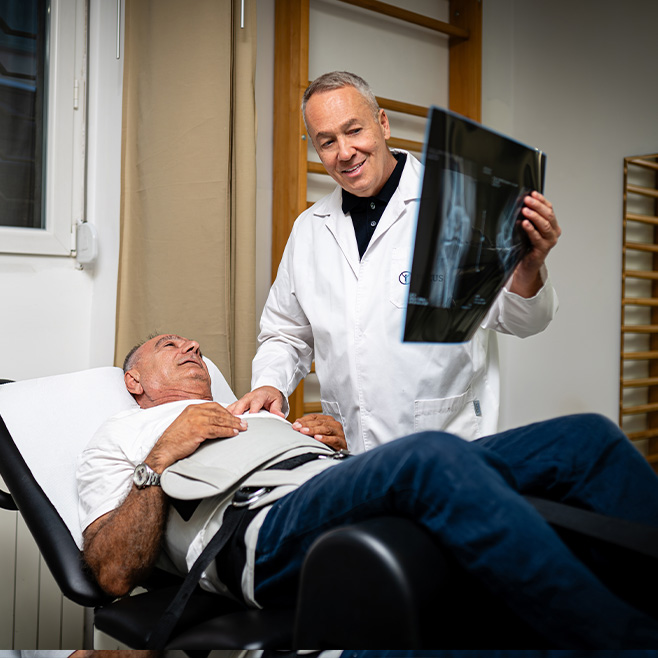
  • Physiatric examination and assessment: Detailed functional diagnostics of spinal mobility and precise muscle strength testing before starting therapy. We identify critical pressure points and the degree of structural involvement to design the most effective decompression plan.
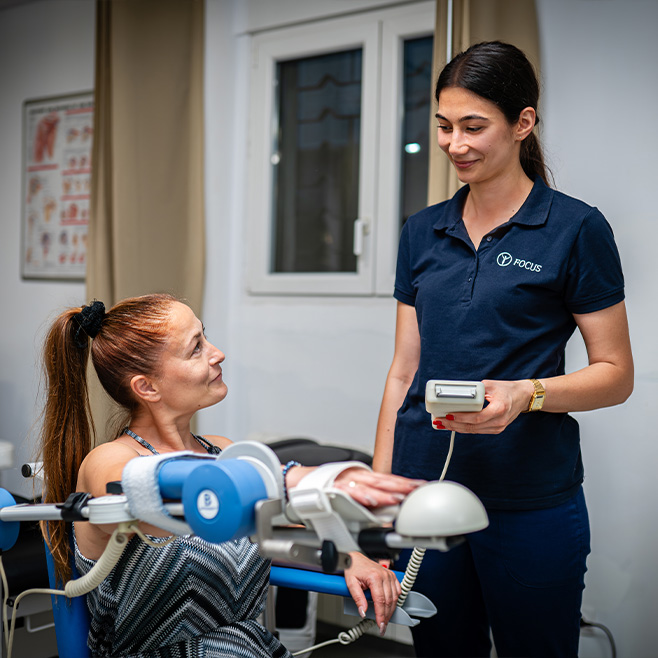
  • Spinal decompression therapy (DTK): The gold standard in non-surgical lumbar treatment. Through gentle and controlled separation of the vertebrae, negative pressure is created inside the disc, allowing it to retract and immediately relieve mechanical pressure on nerve roots.
  • HILT laser (High-Intensity Laser Therapy): Powerful biostimulation that penetrates deeply into inflamed spinal structures, eliminating pain at the cellular level. HILT laser is essential for rapid tissue regeneration and immediate reduction of acute inflammation in the lumbar region.
  • TECAR therapy: A radiofrequency treatment that penetrates deep into the soft tissues of the back, rapidly reducing spasms and accelerating the drainage of inflammatory metabolic byproducts. The generated heat deeply relaxes muscles and improves the nourishment of discs and vertebrae.
  • Vacuum therapy: An intensive lumbar drainage method that mechanically releases fascial restrictions and speeds up toxin elimination from contracted muscles. Vacuum therapy significantly reduces stiffness and improves local circulation, restoring a sense of lightness to the back.
  • Magnetotherapy: Application of a low-frequency magnetic field that improves tissue oxygenation and accelerates healing of damaged structures. This method reduces deep edema within the spinal canal and improves overall trunk mobility.
  • Kinesiotherapy and core strengthening: An individually tailored exercise program designed to strengthen deep trunk stabilizers that act as a natural corset for the spine. Targeted exercises provide long-term lumbar stability and correct posture, preventing recurrence of pain.

The comprehensive application of these advanced methods ensures maximum therapeutic effectiveness even in the most severe forms of lumbar syndrome. Along with education on protective positions and ergonomics, the Focus Physical Therapy Center enables a return to all activities with a stronger back and permanently improved overall posture.

FAQ

What causes lower back pain?

Lower back pain can be caused by many factors, including poor posture, injuries, herniated discs, muscle strain, or degenerative changes in the spine. Stress and excess body weight can also contribute to back pain.

How can I relieve lower back pain?

To relieve pain, rest, cold or hot compresses, as well as stretching and strengthening exercises for the back muscles, are recommended. Physical therapy can be extremely helpful, and in some cases, pain medications may be necessary.

When should I seek medical help for back pain?

If the pain lasts more than a few days, is extremely severe, or if you experience additional symptoms like numbness, weakness in the legs, or trouble urinating, you should consult a doctor.

How can physical therapy help in treating back pain?

Physical therapy helps reduce pain, improve flexibility, and strengthen the muscles that support the spine. A therapist may use various techniques, including exercises, massage, and manipulation, to help you return to daily activities.

What exercises are good for strengthening the back?

Exercises such as the bridge, plank, lower back stretches, and abdominal strengthening exercises are very helpful for strengthening the back. Also, proper lifting techniques and maintaining good posture during daily activities are crucial.

Payment

Fizikalna terapija Beograd

Cash

Fizikalna terapija Beograd

Through a current account

Testimonials

Successful treatment of patients

See the experiences of our satisfied patients who successfully recovered with the help of our physical therapy. Get acquainted with the testimonies of patients who faced various joint injuries, sports knee injuries, back injuries and similar problems, which we quickly, efficiently and successfully treated.

Special offer

Aesthetic surgery

Why choose us?

Focus Fizikal is a leading private clinic for physical therapy in Belgrade. For more than 10 years, we have been providing high-quality services that enable quick recovery and healing of our patients.


Physical therapy Belgrade
Leading Serbian experts and specialists
Physical therapy Belgrade
The most advanced equipment for physical therapy
Physical therapy Belgrade
100% guarantee on all services and treatments
7
doctors and specialists
5k+
satisfied patients
15
years of work and experience
25+
patients every day
Physical therapy Belgrade | Why choose us?

Free consultations

We offer free consultations to answer all your questions.

Book online

For all our current and future patients, we have made it possible to schedule an appointment online.