 +381 64 469 73 73
  Pain in the lumbar spine and hips
  Symptoms
  Causes
  Treatment
  FAQ
FAQ  Prices
  Gallery
  Testimonials
  Special offer
  Why choose us?
Cash
Through a current account
Focus Physical Therapy 100% guarantees fast and effective treatment.
SUPER DISCOUNT! 20% off all therapies in May! Call us 24/7!
Do not treat yourself based on information from the Internet!
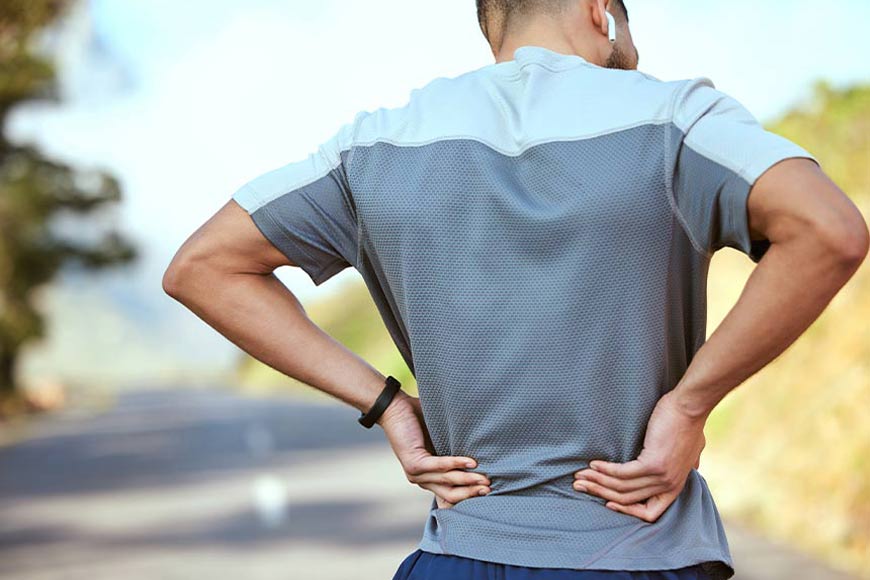
Pain in the lumbar spine and hips often occurs simultaneously because these two regions are inseparably connected through the pelvic ring and muscles that control the movement of the lower extremities. When the lower back loses its stability due to degenerative changes or injuries, the hips take on additional strain, leading to accelerated wear of the joint cartilage and inflammation of the surrounding tendons. The pain may manifest as sharp, radiating pain from the lower back spreading toward the groin, or as constant stiffness that makes standing up and walking difficult. Timely physical therapy is essential to restore balance between the spine and the pelvic girdle and to prevent the development of chronic movement restrictions.
The anatomy of this region includes five lumbar vertebrae, the sacrum, and the hip joints, which together form the base for transferring body weight to the legs. Key muscles in this synergy include the iliopsoas and gluteus, which, if shortened or weak, directly disrupt the position of the spine and increase pressure within the hip joint. Understanding this interdependence is crucial because hip pain can often be referred pain from the lumbar spine, while hip stiffness can force the back into unnatural movements. Proper functioning of the lumbosacral and hip-femoral segments ensures joint longevity and ease of movement without unnecessary fatigue. By preserving the health of this region, we lay the foundation for stable posture and the unrestricted performance of physical activities throughout all stages of life.
The symptoms of pain in the lumbar spine and hips vary from dull discomfort in the lower back to sharp pain that occurs in the groin or on the outer side of the hip during walking. Patients often report a feeling of morning stiffness that requires "loosening up" the joints, as well as difficulty putting on socks or getting into a car. The clinical picture may also include pain radiating down the legs, loss of strength in the thigh muscles, and occasional limping due to the instinctive need to protect the painful side. These signals are a clear alarm that joint surfaces or nerve roots are under pressure and that the body can no longer independently compensate for the resulting imbalance. Recognizing specific symptoms in the early stages allows us to address the root of the problem before permanent damage to the cartilage occurs.
The most common symptoms include:
Timely recognition of these signals is crucial to prevent the development of advanced osteoarthritis and chronic bursitis. Proper interpretation of the symptoms leads to a quicker return to functionality and eliminates the risk of premature surgical intervention in the hip or spine.
The causes of pain in the lumbar spine and hips are most often linked to prolonged sitting, obesity, and lack of physical activity, which lead to muscle weakening and dehydration of the intervertebral discs. Mechanical stress on the base of the spine causes micro-shifts that alter the angle at which the femur rests in the pelvic cup, creating conditions for inflammation. Although injuries can be a trigger, chronic problems are usually the result of improper foot posture or scoliosis changes that have been stressing one side of the body more than the other for decades. Identifying the factors that lead to movement asymmetry allows us to correct the biomechanics and ensure stable recovery. A detailed analysis of posture and walking patterns helps create a plan that will permanently relieve the spine and hips from unnecessary friction.
The main causes include:
Understanding these causes allows us to focus treatment on strengthening the entire movement chain, from the spine to the feet. By addressing the primary risk factors, we ensure that the lower body has the necessary firmness and flexibility for daily functioning.
At Focus Physical Therapy, our approach to treating combined pain in the lower back and hips is strictly individualized and focused on the permanent elimination of the underlying causes – from degenerative changes (arthritis) to nerve compression and muscular imbalances. We use the most advanced global technologies for non-surgical decompression and deep joint regeneration, helping you regain stable walking and pain-free movement.
The process includes:
The comprehensive application of these advanced methods guarantees the highest efficiency of therapy, even in patients with chronic pain. Through education on ergonomic movement and protective postures, Focus Physical Therapy helps you return to all life activities with a strengthened body and permanently stabilized movement.
What are the most common causes of lower back and hip pain?
The most common causes of lower back and hip pain include degenerative changes in the joints, such as osteoarthritis, injuries, herniated discs, muscle and ligament strain, as well as poor posture. They are often related to aging and physical inactivity.
How can physical therapy help with lower back and hip pain?
Physical therapy helps with specific exercises to strengthen the muscles of the back, hips, and abdomen, stretching muscles, and using techniques such as electrotherapy, ultrasound, and massage. The therapy focuses on reducing pain, improving joint mobility, and preventing further injuries.
Which exercises are helpful for relieving lower back and hip pain?
Exercises that can help include stretching the hamstrings, bridge, plank, squats, and hip stability exercises. Also, light aerobic activity such as walking or cycling can contribute to pain relief.
How to sleep when there is pain in the lumbar spine and hips?
It is recommended to sleep on your side with a pillow between your legs to reduce tension in the lower back and hips. If sleeping on your back, place a pillow under your knees to maintain the natural curve of the spine.
Is lifting heavy objects dangerous when you have pain in the lumbar spine and hips?
Yes, lifting heavy objects can worsen lower back and hip pain. It is recommended to use proper lifting techniques, with guidance from a physical therapist. If possible, avoid lifting heavy objects until the pain subsides.
Cash
Through a current account
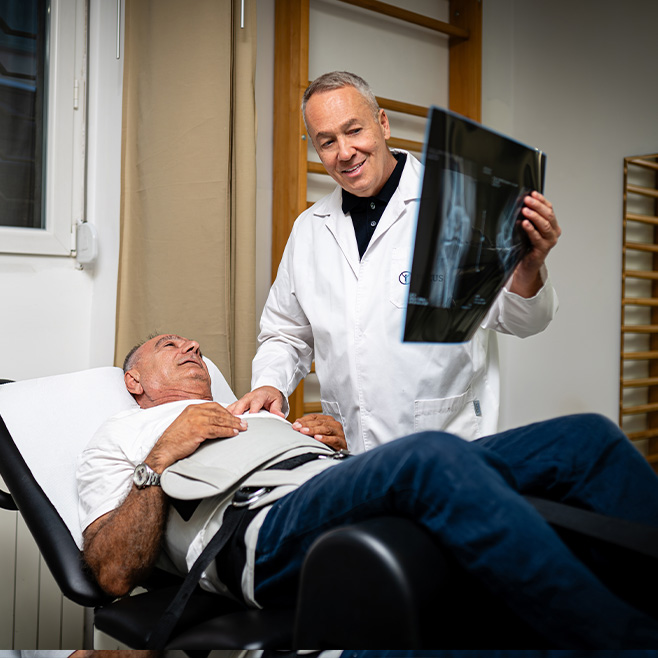
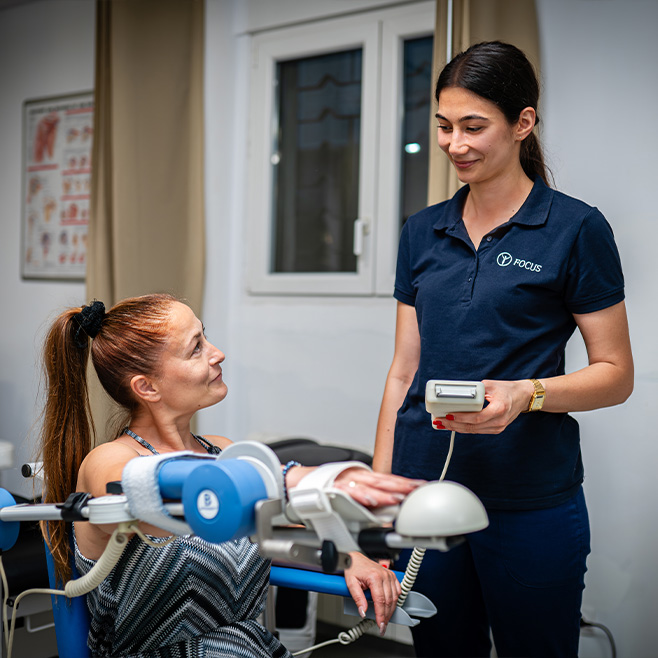
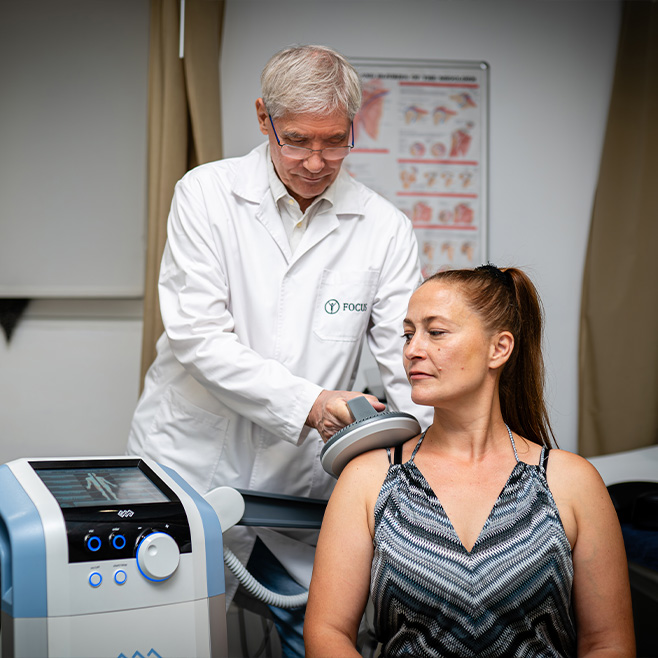
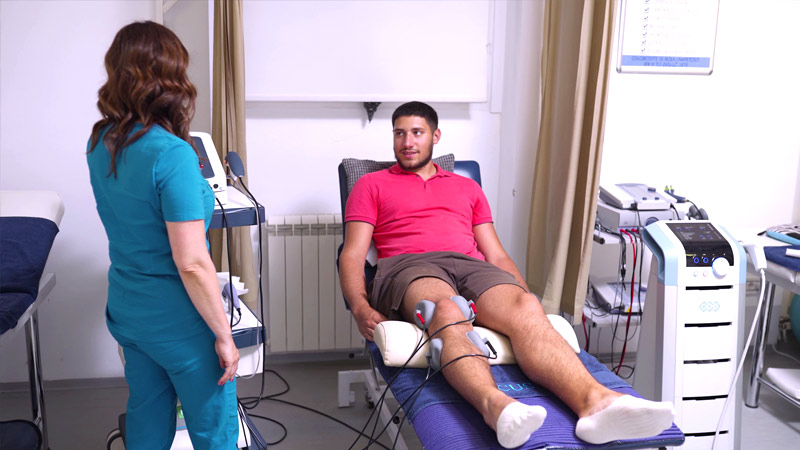

See the experiences of our satisfied patients who successfully recovered with the help of our physical therapy. Get acquainted with the testimonies of patients who faced various joint injuries, sports knee injuries, back injuries and similar problems, which we quickly, efficiently and successfully treated.
Aesthetic surgery
Focus Fizikal is a leading private clinic for physical therapy in Belgrade. For more than 10 years, we have been providing high-quality services that enable quick recovery and healing of our patients.



For all our current and future patients, we have made it possible to schedule an appointment online.



pon-pet:
08:00 - 20:00subota:
08:00 - 15:00


Mon-Fri:
08:00 - 20:00Saturday:
08:00 - 15:00