Pain in the lumbar spine region
Focus Physical Therapy 100% guarantees fast and effective treatment.
SUPER DISCOUNT! 20% off all therapies in May! Call us 24/7!
Do not treat yourself based on information from the Internet!
 +381 64 469 73 73
 -
- Treatment
- Pain in the lumbar spine region

 Pain in the lumbar spine region
  Symptoms
  Causes
  Treatment
  FAQ
FAQ  Gallery
  Testimonials
  Special offer
  Why choose us?
 Pain in the lumbar spine region
Lower back pain, also known as lumbar spine pain, is the most common musculoskeletal issue in modern humans. This region consists of five large vertebrae that bear the majority of body weight and enable complex movements such as bending and trunk rotation. Pain can manifest as sudden, sharp stiffness that blocks any movement or as chronic, dull discomfort that intensifies with prolonged standing. Timely physical therapy is crucial to reduce pressure on the intervertebral discs and prevent permanent damage to the nerve roots.
The anatomy of the lumbar region includes the vertebrae, discs that serve as shock absorbers, and a strong network of ligaments and stabilizing muscles. Due to its position at the base of the spine, this segment is under constant mechanical stress, especially during heavy lifting or prolonged sitting in non-physiological positions. Understanding the relationship between the lumbar spine and pelvis is crucial, as any instability in the lower back directly affects gait and leg function. Proper support from the muscular midsection ensures the protection of vital spinal structures and allows for the safe execution of everyday movements. By maintaining the health of the lumbar region, we lay the foundation for the mobility of the entire body and prevent the development of chronic painful conditions.
Symptoms
The symptoms of lower back pain vary from localized tension in the lower back to sharp pain that radiates like an electrical shock down one or both legs. Patients often report a sense of stiffness when getting out of bed or a chair, with noticeable tilting of the torso to one side to reduce pressure on the painful area. The clinical picture may also include tingling in the feet, loss of strength in the legs, or a burning sensation in the lower back. These signals are a clear alarm that the mechanics of the spine are compromised and that soft tissues or nerve endings are under excessive strain. Recognizing specific symptoms in the early stages allows us to address the root of the problem before more serious neurological disturbances occur.
The most common symptoms include:
- Sharp pain in the lower back that worsens with coughing, sneezing, or straining.
- Muscle stiffness along the spine that prevents full straightening.
- Pain radiating through the buttock region down the legs to the toes (sciatica).
- Decreased sensation or tingling in certain areas of the legs.
- A feeling of instability and fatigue in the back even after short periods of walking.
Timely recognition of these signals is crucial to preventing the development of permanent degenerative changes and muscle atrophy. Proper interpretation of the symptoms leads to a faster return to functionality and eliminates the risk of surgical interventions in the future.
Causes
- Disc herniation
- Degenerative changes
- Spinal stenosis
- Postural problems
The causes of lower back pain most commonly lie in mechanical overload, weakness of the abdominal and back muscles, or genetic predispositions for joint degeneration. Modern lifestyles, which often involve hours spent in a seated position, lead to dehydration of the discs and their gradual displacement toward the nerve channels. While injuries are a frequent cause, chronic pain is usually the result of accumulated stress on the vertebrae due to poor posture and lack of physical activity. Identifying the factors that lead to lumbar instability allows us to correct the patient's habits and ensure long-term recovery. A detailed analysis of the body’s posture helps create a plan that will permanently relieve the lumbar spine from pressure.
The main causes include:
- Herniated disc – slipping or damage of an intervertebral disc can compress nerve roots, causing pain, numbness, and reduced range of motion in the legs and lumbar spine.
- Lumbar spondylosis and osteoarthritis of small spinal joints – degenerative changes that occur with aging narrow the space for nerve structures, causing stiffness and chronic pain.
- Lower back muscle spasm – sudden movements, exposure to drafts, or improper lifting can trigger reflexive muscle contraction, leading to acute pain and limited mobility.
- Spondylolisthesis – a condition where one vertebra slips over another, stretching nerve fibers and causing spinal instability.
- Muscle imbalance and weak core muscles – weakened muscles that support the trunk cannot adequately stabilize the spine, increasing the risk of injury and chronic pain.
Understanding these causes allows us to focus treatment not just on temporary relief but on lasting correction of the spine's biomechanics. By addressing the primary risk factors, we ensure that the lumbar region has the necessary space for complete regeneration.
Treatment
FAQ
What are the most common causes of lower back pain?
The most common causes of lower back pain include poor posture, injuries, degenerative changes such as herniated discs, and muscle strain. It often occurs due to stress, lack of physical activity, and improper lifting of heavy objects.
How can physical therapy help in treating lower back pain?
Physical therapy helps through various techniques such as manual therapy, core muscle strengthening exercises, stretching, and electrotherapy. The goal of therapy is to reduce pain, improve mobility, and prevent further injuries.
What are the recommended exercises for strengthening the back muscles?
Recommended exercises for strengthening back muscles include exercises such as the plank, bridge, core stability exercises, and light stretching. These exercises help improve posture and stabilize the lumbar spine.
Is using the back to lift heavy objects recommended?
Lifting heavy objects using the back can cause injuries, so it is recommended to use the legs for lifting and keep the back straight. A physical therapist can teach proper lifting techniques to prevent injuries.
How should I sleep when I have lower back pain?
It is recommended to sleep on your back with a pillow under your knees or on your side with a pillow between your legs. These positions help maintain the proper alignment of the spine and reduce tension in the lower back.
Gallery
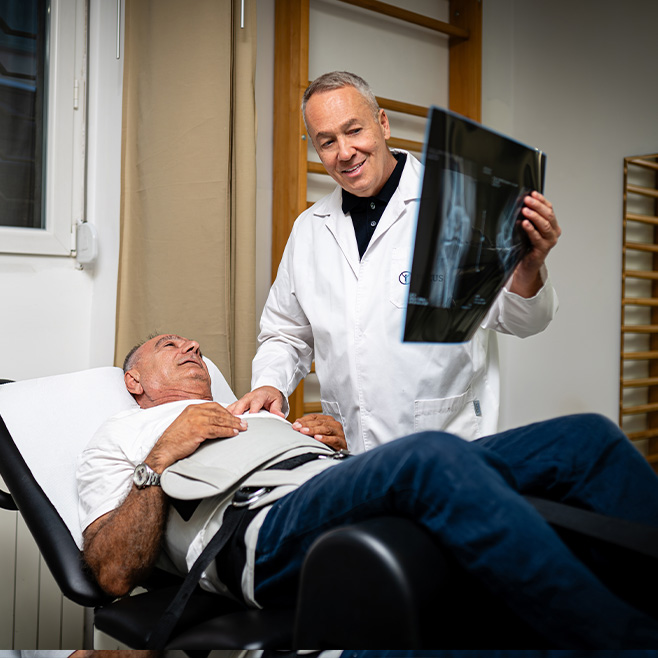
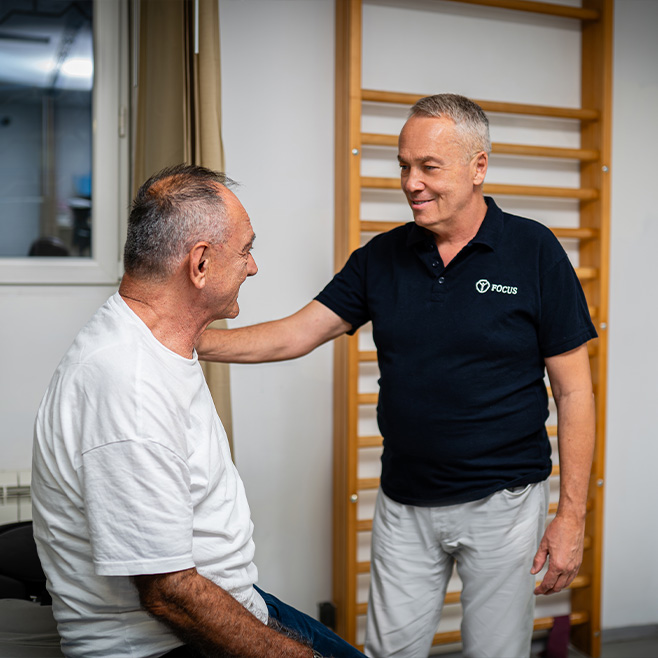
Testimonials
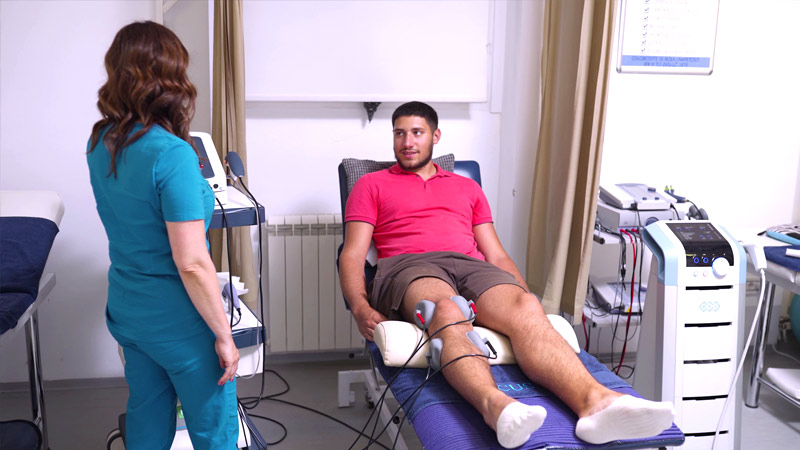

Successful treatment of patients
See the experiences of our satisfied patients who successfully recovered with the help of our physical therapy. Get acquainted with the testimonies of patients who faced various joint injuries, sports knee injuries, back injuries and similar problems, which we quickly, efficiently and successfully treated.
Special offer
Aesthetic surgery
Why choose us?
Focus Fizikal is a leading private clinic for physical therapy in Belgrade. For more than 10 years, we have been providing high-quality services that enable quick recovery and healing of our patients.




Book online
For all our current and future patients, we have made it possible to schedule an appointment online.

Contact




pon-pet:
08:00 - 20:00subota:
08:00 - 15:00Links
Partners
Partners
Pratite nas



Contact
Mon-Fri:
08:00 - 20:00Saturday:
08:00 - 15:00