 +381 64 469 73 73
  Pain in the meniscus
  Symptoms
  Causes
  Treatment
  FAQ
FAQ  Prices
  Testimonials
  Special offer
  Why choose us?
Cash
Through a current account
Focus Physical Therapy 100% guarantees fast and effective treatment.
SUPER DISCOUNT! 20% off all therapies in June! Call us 24/7!
Do not treat yourself based on information from the Internet!


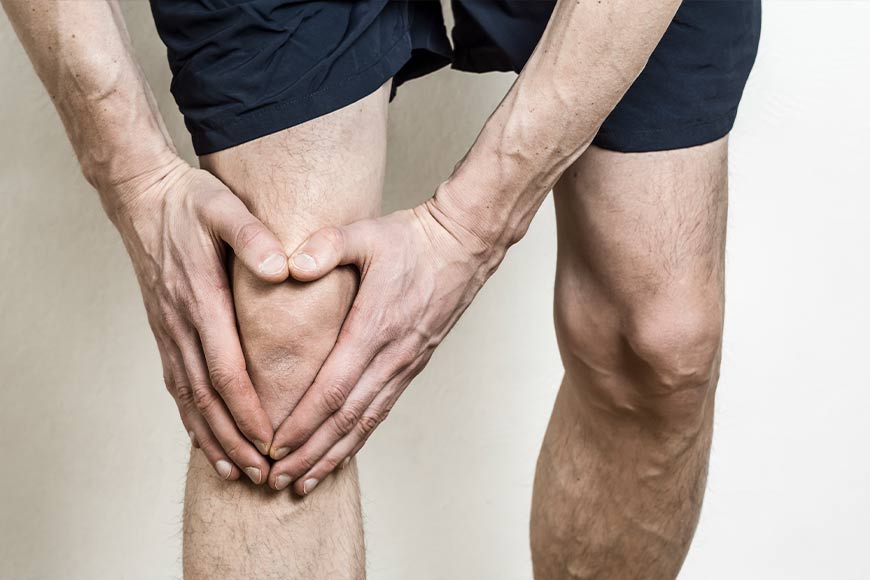
Meniscus pain is one of the most common internal knee injuries, typically caused by a sudden rotational movement or the progressive wear and tear of the cartilage pads. The menisci play a crucial role in absorbing pressure and stabilizing the knee, acting as a protective cushion between the femur and tibia, preventing premature joint wear. Meniscus pain often occurs along the inner or outer rim of the joint and is frequently accompanied by a sensation of "catching" or complete locking of the knee when attempting to move. Damage to these structures directly threatens the biomechanics of the entire leg and accelerates the development of degenerative changes in the future. Timely diagnosis and physical therapy are key factors in preserving joint integrity and successfully avoiding surgical intervention.
The anatomy of the knee includes two crescent-shaped menisci, which are innervated only in their outer third, making the severity of the injury difficult to detect in the early stages. When a meniscus tear occurs, parts of it may slip into the joint space, irritating the synovial membrane and causing an accelerated secretion of excess fluid that generates pressure. Understanding the extent of the injury is critical, as the menisci have limited self-healing ability due to the specific, poor blood supply in certain areas. Any uncontrolled movement in the presence of a damaged meniscus can deepen the existing tear and permanently impair the smoothness of knee movement. By understanding this specific anatomy, we can precisely direct regenerative processes to the injury site and speed up recovery.
The symptoms of meniscus pain vary from mild discomfort during prolonged walking to sharp, paralyzing stabs that occur when squatting or descending stairs. Patients often describe a feeling of instability and "giving way" of the knee, along with swelling that develops as a protective response of the joint to irritation. The clinical picture is specific, as an injured meniscus can cause a mechanical blockage, where the patient physically cannot fully straighten or bend the leg. These signals are a clear message from the body that the joint surface is seriously compromised and requires immediate stabilization. Recognizing specific symptoms allows us to act precisely on the source of the problem before it becomes chronic.
The most common symptoms are:
Recognizing these signals at an early stage is crucial to preventing chronic inflammation and irritation of surrounding ligaments. Timely reaction to the symptoms allows a return to activities without the risk of permanent joint blockage.
The causes of meniscus pain can be divided into traumatic, which affect athletes due to sudden changes in direction, and degenerative, which occur due to the natural loss of cartilage elasticity over time. Even seemingly simple movements, such as rising from a deep squat or rotating on a fixed foot, can be enough to cause a tear if the meniscus tissue has already thinned due to the aging process. Although the pain is primarily felt in the knee, the cause is often related to poor foot biomechanics or imbalances in the hips, which shift excess load onto the knee. A combination of mechanical stress and biological tissue fatigue leads to a significant reduction in the resistance of these natural knee shock absorbers. Identifying the exact mechanism of the injury allows us to prevent further damage and significantly speed up the natural healing process.
The main causes include:
Analyzing these factors ensures that the therapy is not only a temporary solution but also provides long-term protection for your knee. By focusing on the primary causes, we significantly reduce the risk of recurring pain and new injuries.
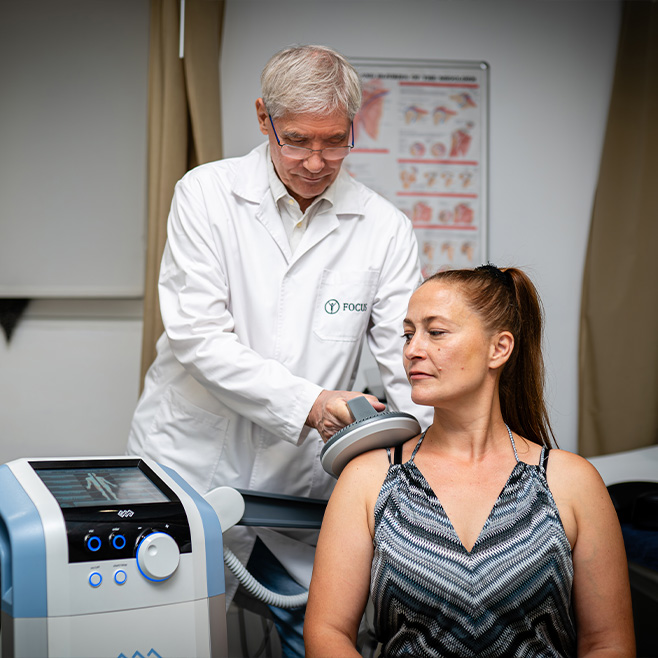
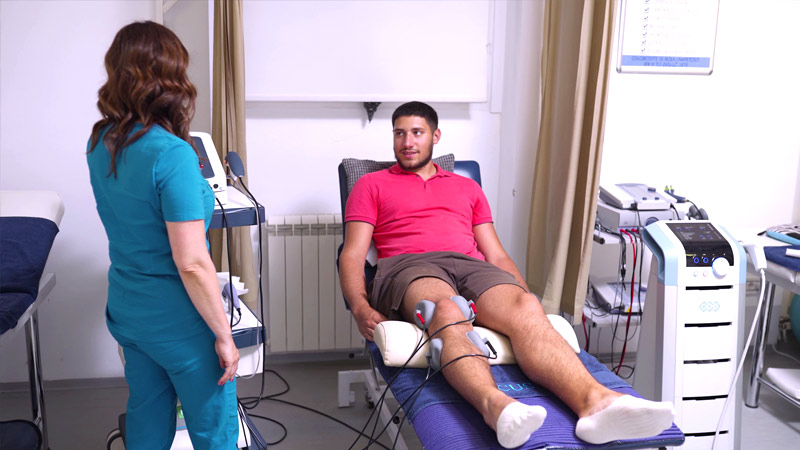
Treatment of Meniscus Pain at Focus Physical Therapy Center is aimed at deep regeneration of cartilage tissue, reduction of internal swelling, and restoration of full joint stability. The therapeutic protocol combines advanced physical therapy procedures with targeted kinesiotherapy to immediately reduce mechanical pressure within the knee.
Successful rehabilitation ensures:
Our modern rehabilitation approach includes the following stages:
The comprehensive application of these advanced methods ensures maximum treatment effectiveness, often helping patients avoid surgical interventions, and guarantees a return to an active lifestyle with a stable, fully functional knee.
What causes meniscus pain?
Meniscus pain is usually caused by an injury, such as stretching or tearing of the meniscus, which can occur due to sudden movements, twists, or excessive stress on the knee. The meniscus can be damaged during sports activities, falls, or accidents.
What are the symptoms of a meniscus injury?
Symptoms of a meniscus injury include pain in the knee, difficulty bending or straightening the leg, swelling, sometimes a clicking or popping sound, and a feeling of instability in the knee. There may also be a reduced range of motion in the knee.
How is a meniscus injury diagnosed?
A meniscus injury is usually diagnosed through a physical examination and imaging (e.g., MRI). The doctor may perform tests to check knee mobility and assess pain and movement limitations. MRI is often the most reliable way to visualize the meniscus injury.
How is meniscus pain treated?
Treatment for meniscus pain depends on the type of injury. Mild injuries can be treated with rest, cold compresses, pain medications, and physical therapy. More severe injuries, such as a complete meniscus tear, may require surgical intervention, such as arthroscopic surgery.
Can physical therapy help with meniscus pain?
Yes, physical therapy can help restore knee function, reduce pain, and strengthen the muscles around the knee. A physical therapist will recommend specific exercises to improve knee stability, flexibility, and functionality, which can reduce the need for surgery.
Cash
Through a current account
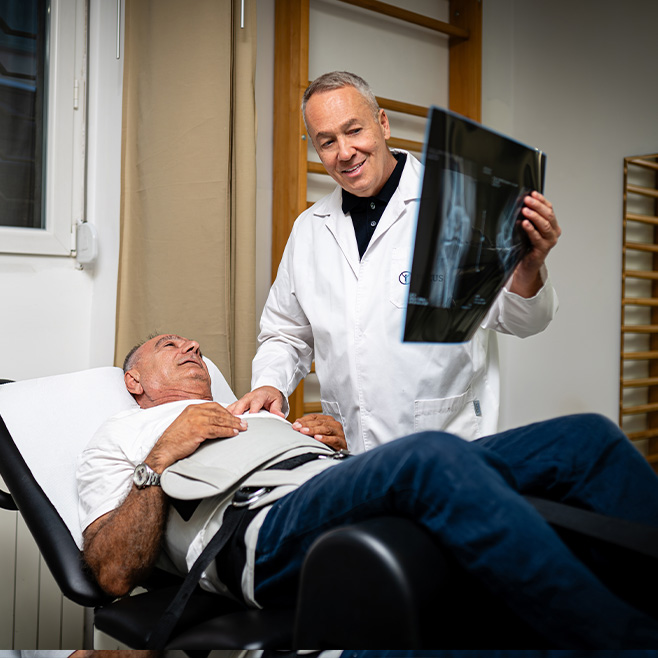
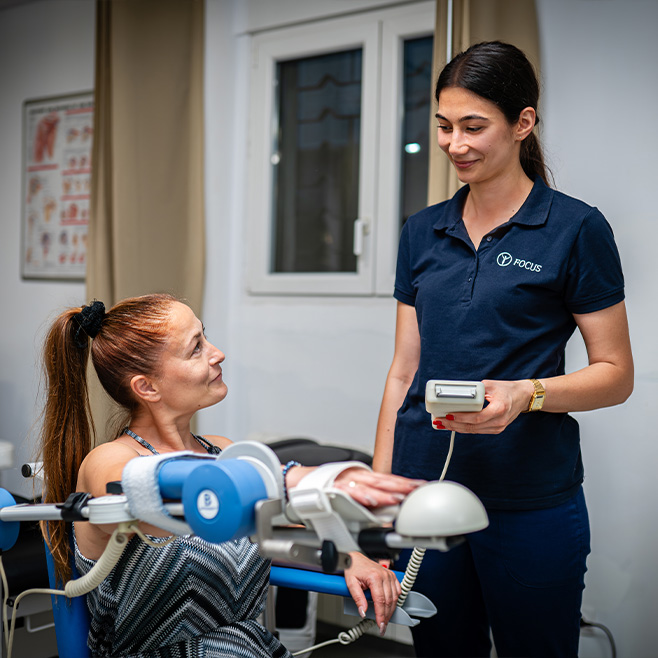

See the experiences of our satisfied patients who successfully recovered with the help of our physical therapy. Get acquainted with the testimonies of patients who faced various joint injuries, sports knee injuries, back injuries and similar problems, which we quickly, efficiently and successfully treated.
Aesthetic surgery
Focus Fizikal is a leading private clinic for physical therapy in Belgrade. For more than 10 years, we have been providing high-quality services that enable quick recovery and healing of our patients.




For all our current and future patients, we have made it possible to schedule an appointment online.



pon-pet:
08:00 - 20:00subota:
08:00 - 15:00


Mon-Fri:
08:00 - 20:00Saturday:
08:00 - 15:00