 +381 64 469 73 73
  Pain in the shin below the knee
  Symptoms
  Causes
  Treatment
  FAQ
FAQ  Prices
  Gallery
  Testimonials
  Special offer
  Why choose us?
Cash
Through a current account

Focus Physical Therapy 100% guarantees fast and effective treatment.
SUPER DISCOUNT! 20% off all therapies in June! Call us 24/7!
Do not treat yourself based on information from the Internet!


The pain that occurs in the shin area, just below the knee, is a common complaint that affects the front part of the lower leg and directly impacts the stability of walking and running. This region is a crucial anatomical point where the strong muscles of the anterior lower leg attach to the bones. The shinbone (tibia) is subjected to significant mechanical forces with every step, as it must absorb the impact with the ground. When the muscles become overstretched or shortened, they begin to pull on the periosteum (the outer layer of bone), causing an inflammatory process and characteristic pain.
The anatomy of the front lower leg includes the tibial bone and the tibialis anterior muscle, which is responsible for lifting the foot upward. Just below the knee is the bony prominence (tuberositas tibiae) where the strong patellar tendon ends. In adolescents and athletes, this area is particularly sensitive to overuse. In addition to muscle attachments, nerve endings in this region can become compressed due to swelling of the soft tissues. Understanding the relationship between foot mechanics and the load on the shin is crucial for identifying the underlying cause of the discomfort. Timely physical therapy diagnosis and manual therapy of the fascia can help prevent the development of chronic periostitis and damage to the bone tissue.
The symptoms associated with pain in the shin (tibia) range from dull discomfort at the beginning of physical activity to sharp, stabbing pain that prevents weight-bearing on the leg. Patients often describe the sensation as if the bone is "inflamed" or that the pain radiates along the inner edge of the lower leg. The clinical picture is specific because the pain often decreases after warming up but returns with greater intensity after stopping the activity.
The most common symptoms accompanying shin pain include:
These signs are clear indicators that the musculoskeletal structures below the knee are under stress, requiring professional evaluation. Timely identification of these symptoms allows a physical therapist to apply decompression techniques and prevent the development of stress fractures in the bone.
The causes of shin pain are most commonly associated with overuse syndromes due to sports activities or sudden changes in daily activities. Factors such as running on hard surfaces, inadequate footwear, or congenital foot deformities directly contribute to the development of inflammatory processes on the periosteum. Although the pain is felt in the lower leg, the cause often lies in poor foot shock absorption or weakness in the hip muscles.
The main causes of pain in the shin below the knee include:
Accurately identifying the cause of irritation allows for the creation of an individualized treatment plan that will permanently relieve the shin from pressure and pain. Each of the listed causes requires a specific rehabilitation approach to achieve long-term relief.
At Focus Physical Therapy, our approach to treating shin pain is individualized and focused on permanently eliminating the root cause — from overuse and poor biomechanics to shinbone inflammation — rather than simply masking the symptoms. We utilize state-of-the-art medical technology to directly accelerate tissue regeneration and relieve pressure in the lower leg, enabling you to return to running and sports without pain.
The process includes:
Regularly following the recommended exercise program and educating on proper footwear and insoles ensures long-term maintenance of results. This comprehensive treatment at Focus Physical Therapy not only eliminates shin pain but also restores full functionality to your leg, enabling a safe return to all physical activities and running without the risk of re-injury.
Why does shin pain occur specifically after running or long walks?
This pain is most often a result of medial tibial stress syndrome. When the lower leg muscles are insufficiently strong or flexible, they pull forcefully on the periosteum of the shin bone with every step. Repetitive loading leads to micro-injuries and inflammation at the site where the muscle attaches to the bone, causing a dull or sharp pain that intensifies with movement and subsides during rest.
What are the most effective methods for treating shin inflammation?
At the Focus Physical Therapy center, we use a combination of TECAR therapy and high-power laser therapy. Tecar therapy deeply regenerates the inflamed periosteum and relaxes overstrained anterior lower leg muscles, while the laser instantly reduces swelling and painful sensitivity. These procedures allow for a faster return to activities without the risk of the inflammation becoming chronic.
Can shin pain below the knee be related to flat feet?
Yes, foot biomechanics directly affect shin loading. Flat feet or excessive pronation cause inward rotation of the lower leg, further stretching the muscles attached to the tibia. Through a physical therapy examination at our center, we determine if the pain is caused by poor foot support and apply therapy that stabilizes the entire kinetic chain from the ankle to the knee.
How many treatments are needed for the shin pain to subside?
Most patients feel relief and a reduction in touch sensitivity after three to five treatments. Since the periosteum heals more slowly than muscle tissue, a cycle of ten working days is usually advised to fully resolve the inflammation. The program necessarily includes education on proper stretching and strengthening of the lower leg muscles to prevent recurrence.
When is shin pain a sign to seek help from a physical therapist?
If you feel pain even while resting, if a slight swelling or redness appears on the bone, or if the bone is extremely painful to direct finger pressure, it is time for professional help. A timely response in our center prevents the development of a stress fracture, a serious complication that requires a multi-month break from all physical activities.
Cash
Through a current account
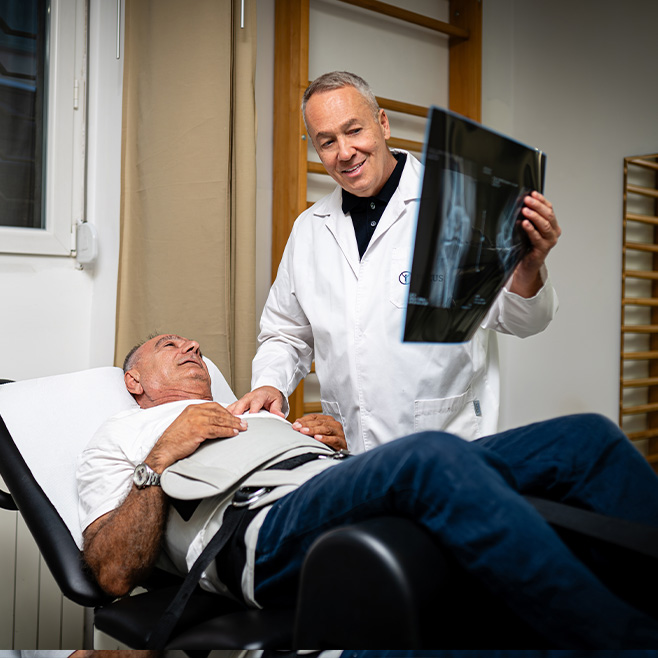
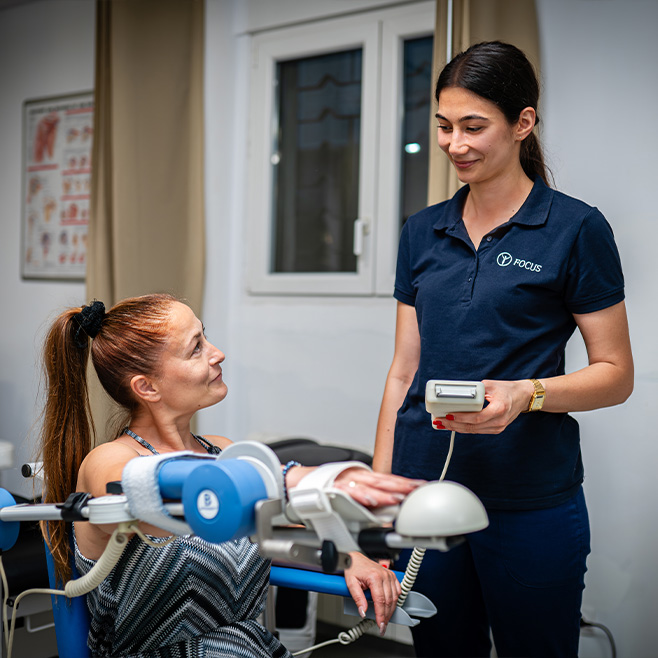
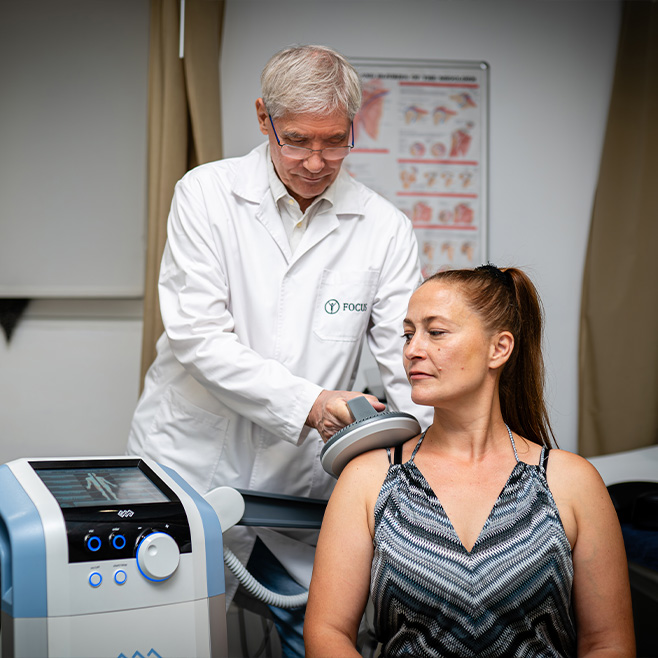
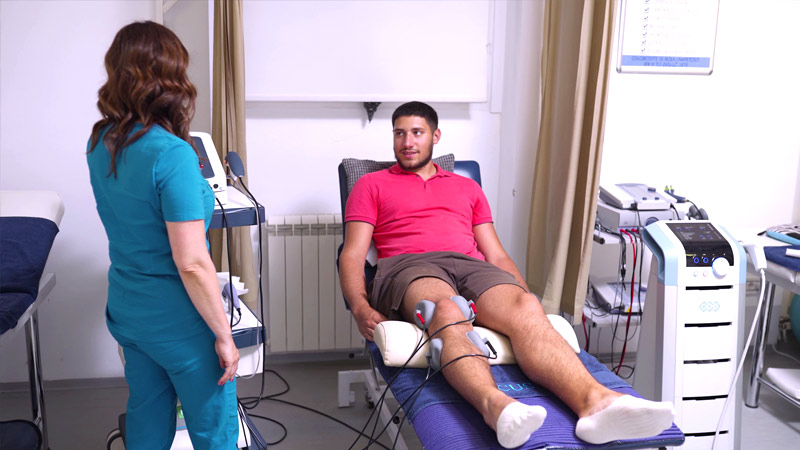

See the experiences of our satisfied patients who successfully recovered with the help of our physical therapy. Get acquainted with the testimonies of patients who faced various joint injuries, sports knee injuries, back injuries and similar problems, which we quickly, efficiently and successfully treated.
Aesthetic surgery
Focus Fizikal is a leading private clinic for physical therapy in Belgrade. For more than 10 years, we have been providing high-quality services that enable quick recovery and healing of our patients.




For all our current and future patients, we have made it possible to schedule an appointment online.



pon-pet:
08:00 - 20:00subota:
08:00 - 15:00


Mon-Fri:
08:00 - 20:00Saturday:
08:00 - 15:00