 +381 64 469 73 73
  Pain in the soft tissue and leg
  Symptoms
  Causes
  Treatment
  FAQ
FAQ  Prices
  Gallery
  Testimonials
  Special offer
  Why choose us?
Cash
Through a current account

Focus Physical Therapy 100% guarantees fast and effective treatment.
SUPER DISCOUNT! 20% off all therapies in June! Call us 24/7!
Do not treat yourself based on information from the Internet!


Pain in the gluteal area, often described as a sensation in the "fatty tissue," which radiates down the leg, is one of the clearest signs of sciatic nerve compression. Since the sciatic nerve is the thickest nerve in the body, any irritation in the lower back or deep pelvic muscles causes intense sensations that radiate throughout the leg. The pain in the gluteal region and leg is not just a localized discomfort; it is a complex neurological symptom that indicates the nerve pathways are compromised, either due to a herniated disc or muscle spasms that put pressure on the nerve as it passes through the pelvis. Without adequate therapy, this pain can lead to chronic muscle weakness and serious difficulties in basic movements, such as walking or standing up.
The anatomy of this region is centered on the lumbosacral plexus and the piriformis muscle, which lies deep beneath the large gluteal muscle. The sciatic nerve passes directly next to, or even through, the piriformis muscle, making it highly vulnerable to any spasm or inflammation in this area. Any disruption in the spine’s alignment directly impacts the gluteal muscles, causing them to enter a defensive spasm to protect the painful region, further increasing pressure on the nerve. Understanding the correlation between the lumbar spine, pelvis, and lower limbs is crucial for diagnosis, as pain in the legs almost always has its primary source in the upper structures.
The symptoms of pain in the gluteal region and down the leg vary from mild discomfort while walking to sharp, intolerable pain that feels like an electric shock. Patients often report that the pain intensifies during coughing, sneezing, or prolonged sitting in one position. The clinical picture is specific because the pain rarely stays in one spot; it tends to radiate down the back or outer side of the thigh and calf.
The most common symptoms accompanying pain in the gluteal region and leg include:
These signs are clear indicators that the nerve pathways of the lower limbs are under pressure and require professional evaluation. Recognizing these symptoms early allows the physiotherapist to prevent the development of chronic neurological deficits and long-term disability.
The causes of pain that affect the gluteal region and leg are most commonly associated with degenerative changes in the spine or functional disorders of the soft tissues. Factors such as lifting heavy loads from improper positions, prolonged sitting, or sudden trunk rotations directly contribute to the onset of symptoms. While the most intense pain is often felt in the leg, the primary cause in most cases is found in the sacral region or the lower lumbar vertebrae.
The main causes of pain in the gluteal region and leg include:
Accurately determining the level of pressure helps create a personalized treatment plan that will permanently relieve the leg from pain. Each of these causes requires a specific rehabilitation approach to achieve long-term relief.
Treatment of pain in the buttocks and legs at the Focus Physical Therapy Center is based on relieving nerve compression and reducing inflammatory processes through advanced physical and manual therapy methods. The therapeutic protocol combines the use of technology for nerve tissue regeneration with techniques of spinal decompression and relaxation of deep pelvic muscles. Successful rehabilitation involves eliminating pain and strengthening the muscles that stabilize the lower back, pelvis, and hips.
A modern rehabilitation approach includes the following phases:
Continuous adherence to the recommended exercise program is essential for maintaining results and preventing recurrence of sciatica. This comprehensive approach restores freedom of movement and allows a return to daily activities without fear of pain.
Why does leg pain intensify when straightening the leg or putting on socks?
When you straighten your leg or bend forward, you mechanically stretch the sciatic nerve along its entire length. If the nerve is already under pressure in the back or gluteal region, this additional tension can cause a sudden onset of pain or tingling.
Does leg pain always require surgery if the cause is a herniated disc?
No, the vast majority of patients with a herniated disc successfully recover with conservative physical therapy treatment. Surgery is considered only in cases where there is progressive loss of strength in the legs or dysfunction of the bladder and bowels.
How long does the recovery process from severe sciatica take?
Recovery time depends on the extent of nerve damage, but with proper physical therapy, significant improvement is typically seen within four to eight weeks. It's important to be patient, as nerve tissue regeneration takes longer than muscle recovery.
Can I walk with severe pain in the gluteal region and leg?
Mild walking on flat surfaces can be beneficial as it helps maintain circulation, but long distances or walking on uneven terrain that triggers pain should be avoided. If walking causes sharp pain down the leg, it’s advisable to take a short rest in a position that least strains the back.
When is leg and gluteal pain a sign that an urgent MRI is necessary?
An urgent MRI is required if you experience sudden weakness in the foot (e.g., you cannot stand on your toes or heel), if you feel tingling in the groin area (a "riding" loss of sensation), or if you notice changes in bowel or bladder control.
Cash
Through a current account
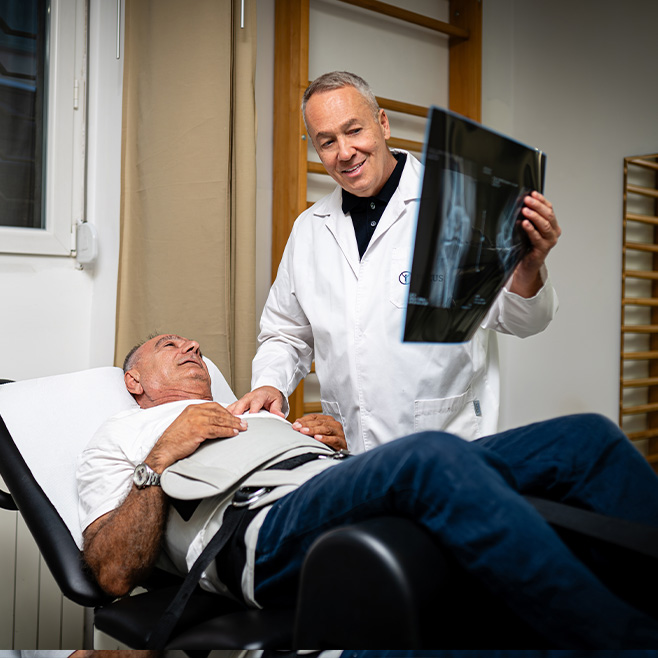
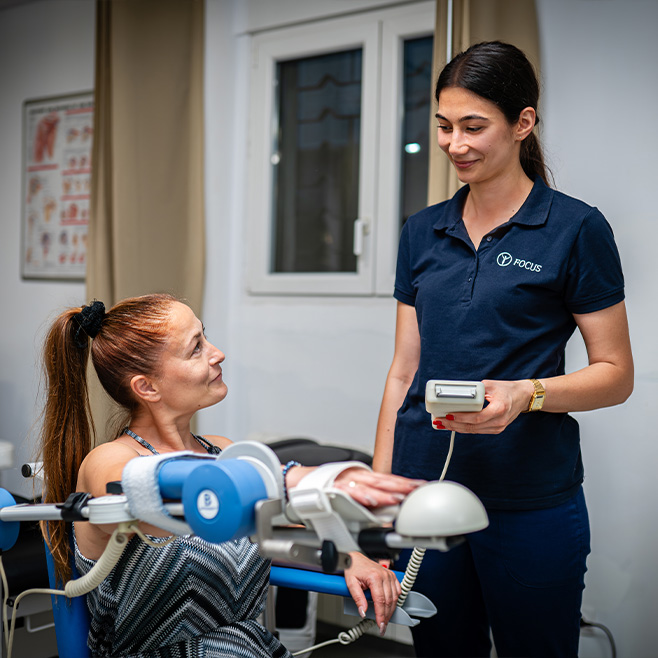
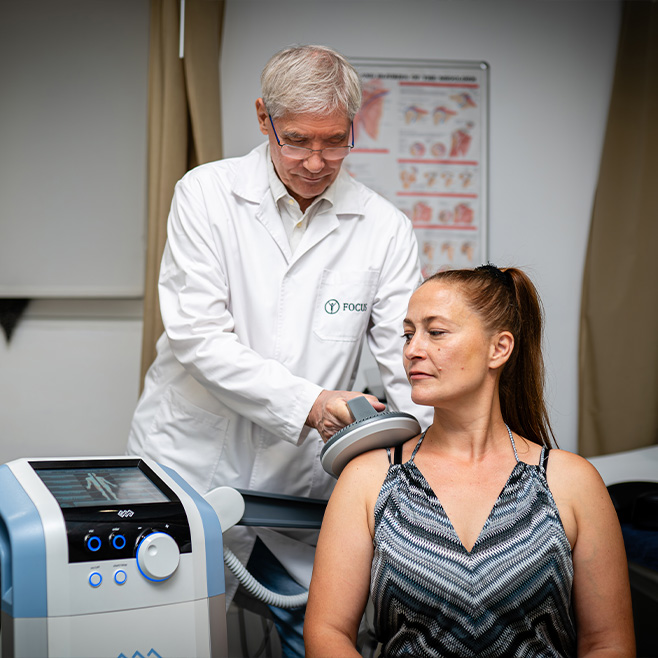
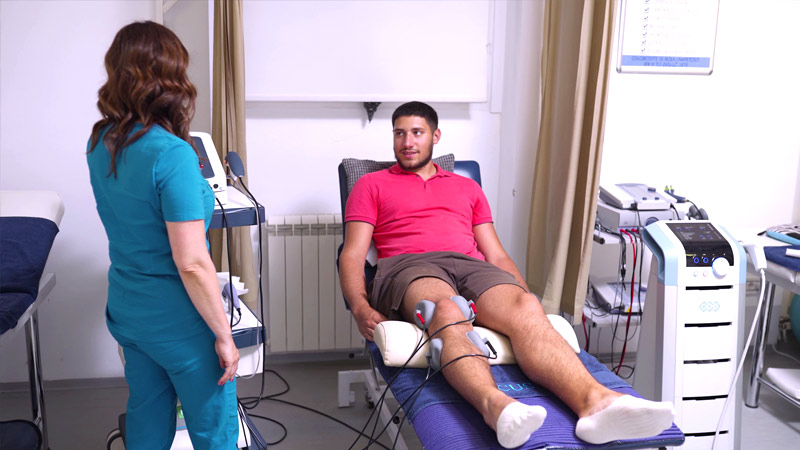

See the experiences of our satisfied patients who successfully recovered with the help of our physical therapy. Get acquainted with the testimonies of patients who faced various joint injuries, sports knee injuries, back injuries and similar problems, which we quickly, efficiently and successfully treated.
Aesthetic surgery
Focus Fizikal is a leading private clinic for physical therapy in Belgrade. For more than 10 years, we have been providing high-quality services that enable quick recovery and healing of our patients.




For all our current and future patients, we have made it possible to schedule an appointment online.



pon-pet:
08:00 - 20:00subota:
08:00 - 15:00


Mon-Fri:
08:00 - 20:00Saturday:
08:00 - 15:00