 +381 64 469 73 73
  Pain in the soles and heels
  Symptoms
  Causes
  Treatment
  FAQ
FAQ  Prices
  Gallery
  Testimonials
  Special offer
  Why choose us?
Cash
Through a current account

Focus Physical Therapy 100% guarantees fast and effective treatment.
SUPER DISCOUNT! 20% off all therapies in June! Call us 24/7!
Do not treat yourself based on information from the Internet!


Heel and arch pain is most commonly caused by inflammation of the strong connective tissue that connects the heel bone to the toes, known as the plantar fascia. This tissue acts as a shock absorber, maintaining the arch of the foot and absorbing pressure with every step. However, due to overuse, micro-tears and inflammation can occur. The pain usually appears at the point where the fascia attaches to the heel and can radiate along the entire length of the arch, creating a sensation of walking on sharp objects. The foot is the foundation of the body’s entire structure, so any disruption in this area directly affects the health of the knees, hips, and lower back. Timely physical therapy is essential to reduce inflammation and prevent permanent calcification of the tissue, known as a heel spur.
The anatomy of the foot includes a complex system of bones and muscles that must remain flexible to properly transfer the body’s weight during movement. The key role is played by the heel bone (calcaneus), which is exposed to the greatest stress during contact with the ground, especially in individuals who stand for long periods or engage in running. Understanding the mechanics of the foot arch is crucial because fallen arches lead to constant strain on the fascia and chronic heel pain. Proper function of the soft tissues in the foot ensures painless movement and optimal stability of the entire skeletal system. By maintaining foot health, we establish the foundation for an active life without movement limitations.
The symptoms of heel and arch pain are most pronounced in the morning, with the first steps after getting out of bed or after a prolonged period of rest. Patients often describe a sharp, stabbing pain in the heel that gradually decreases after a short walk but intensifies again by the end of the day due to fatigue. The clinical picture may also include a burning sensation in the arches, swelling around the heel, and difficulty walking barefoot on hard surfaces. These signs are a clear alarm that the foot’s elasticity is compromised and that the tissue is undergoing a degenerative process. Identifying specific symptoms in the early stages allows us to address the root cause of the problem before the pain becomes permanent.
Most Common Symptoms Include:
Timely recognition of these signals is crucial to prevent the formation of bone spurs, which require longer treatment. Proper interpretation of symptoms leads to a faster return to functionality and eliminates the feeling of constant discomfort while walking.
The causes of heel and arch pain are most commonly found in a combination of poor foot biomechanics, inadequate footwear, and sudden changes in the intensity of physical activity. Modern lifestyle and walking on concrete lead to the loss of the natural support of the arches, which forces the plantar fascia to endure extreme stretching. Although the pain is localized in the arch, the cause may also lie in the shortened calf muscles, which, through the Achilles tendon, directly increase tension in the heel area. Identifying the factors that lead to foot overuse allows us to correct walking mechanics and prevent recurrences. A detailed analysis of the patient's daily habits helps in creating a plan that will permanently relieve the heel from pressure.
Main Causes Include:
Understanding these causes enables us to approach treatment not only by alleviating pain but also by permanently correcting foot mechanics. By focusing on removing primary risk factors, we ensure the necessary strength and flexibility for the arches.
Our approach to treating foot pain at Focus Physical Therapy is strictly individualized and focused on the permanent elimination of the root cause – from plantar fascia inflammation to the calcification (heel spurs) – rather than just masking the symptoms. We use the most advanced medical technology that breaks down calcifications and stimulates deep tissue regeneration, restoring your step’s lightness, stability, and pain-free motion from the first morning step.
The process includes:
The comprehensive application of these advanced methods guarantees maximum therapeutic effectiveness, even in the most persistent heel pain cases. With education on the proper choice of footwear and custom-made orthotics, Focus Physical Therapy enables you to return to all activities with a light step and permanently stabilized biomechanics of movement.
What causes pain in the heels and soles?
Heel and sole pain is most commonly caused by conditions such as plantar fasciitis (inflammation of the fascia on the bottom of the foot), Achilles tendinitis (inflammation of the Achilles tendon), or bursitis (inflammation of the bursa beneath the heel). Also, improper posture, excess weight, wearing inadequate footwear, or overloading the feet during physical activity can contribute to this issue.
How is heel and sole pain diagnosed?
The diagnosis of heel and sole pain usually begins with a physical exam, where the doctor palpates (touches) the affected area of the foot, checking for signs of swelling, redness, or tenderness. Additional diagnostic methods such as X-rays, ultrasound, or MRI may be needed to precisely determine the cause of the pain, especially if there is suspicion of damage to the bones or tendons.
When should I seek help from a physiotherapist for heel and sole pain?
If heel or sole pain lasts longer than a few days and does not improve with rest, or if it is associated with difficulty walking, it’s important to consult a physiotherapist. Also, if you experience tingling, weakness, or limited mobility, you should see a specialist as soon as possible.
What therapies can help with heel and sole pain?
Therapies used to treat heel and sole pain include physical exercises for stretching and strengthening the foot muscles, ice application to reduce swelling, massage for muscle relaxation, and using orthotics or shoe insoles to reduce pressure on the heel. In some cases, electrostimulation or ultrasound therapy may be helpful in reducing pain and inflammation.
How long does it take for heel and sole pain to go away?
The recovery time for heel and sole pain varies depending on the severity of the problem and the type of therapy. For plantar fasciitis or Achilles tendinitis, it typically takes several weeks to a few months for the pain to subside with appropriate physical therapy. If the issue is left untreated, the pain can become chronic, so it’s important to act as soon as possible.
Cash
Through a current account
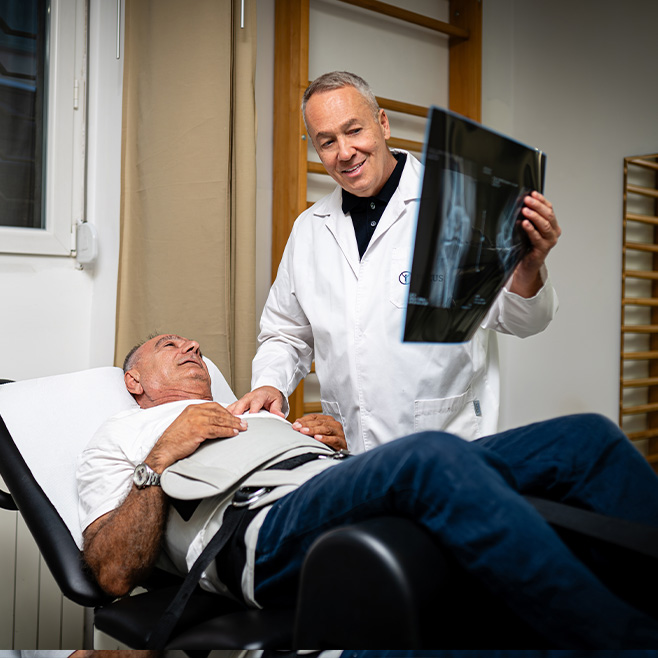
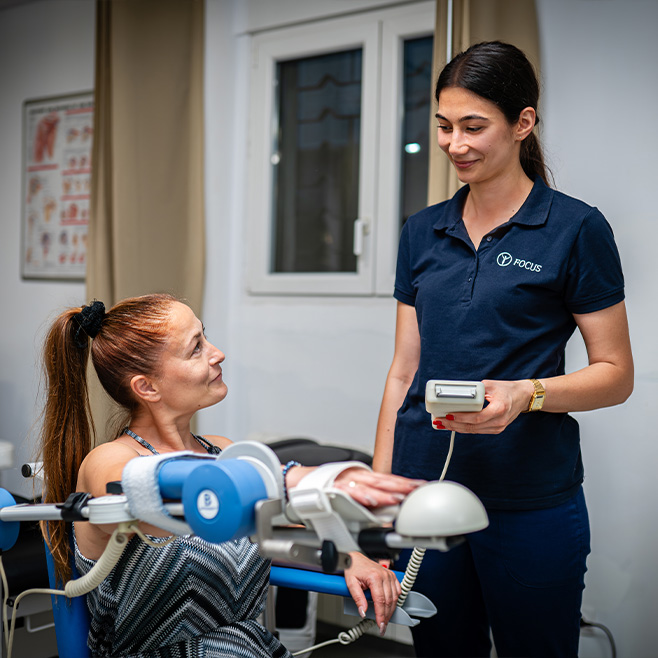
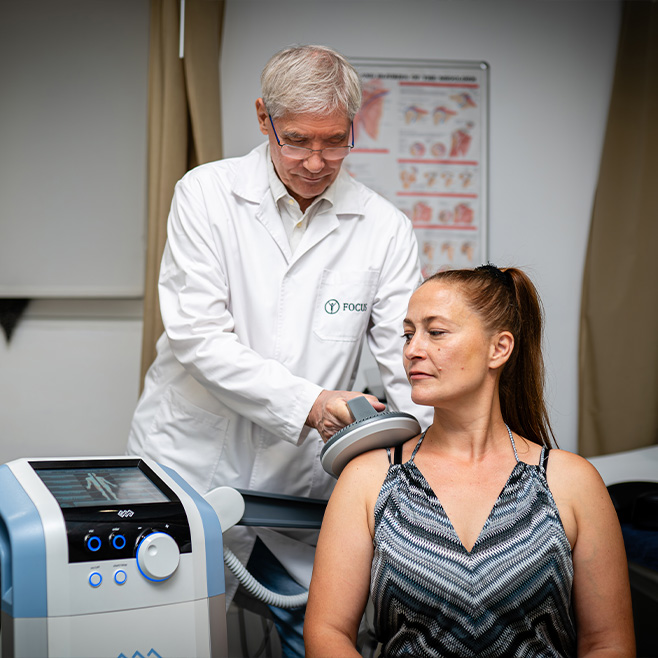
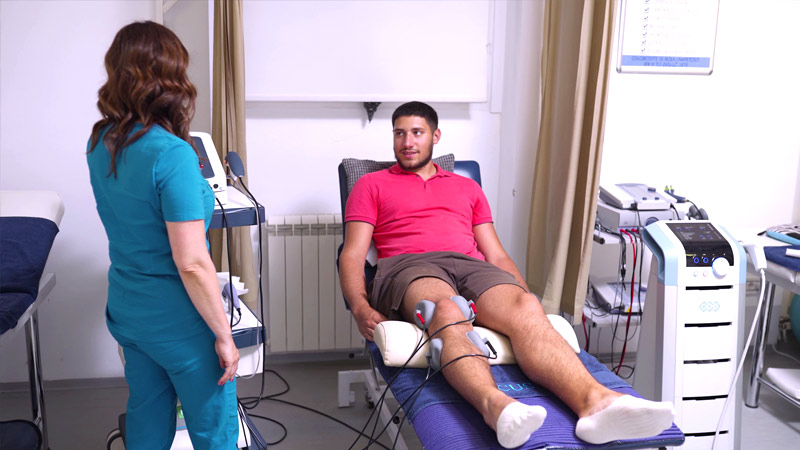

See the experiences of our satisfied patients who successfully recovered with the help of our physical therapy. Get acquainted with the testimonies of patients who faced various joint injuries, sports knee injuries, back injuries and similar problems, which we quickly, efficiently and successfully treated.
Aesthetic surgery
Focus Fizikal is a leading private clinic for physical therapy in Belgrade. For more than 10 years, we have been providing high-quality services that enable quick recovery and healing of our patients.




For all our current and future patients, we have made it possible to schedule an appointment online.



pon-pet:
08:00 - 20:00subota:
08:00 - 15:00


Mon-Fri:
08:00 - 20:00Saturday:
08:00 - 15:00