 +381 64 469 73 73
  Pain in the thigh bone
  Symptoms
  Causes
  Treatment
  FAQ
FAQ  Prices
  Gallery
  Testimonials
  Special offer
  Why choose us?
Cash
Through a current account
Focus Physical Therapy 100% guarantees fast and effective treatment.
SUPER DISCOUNT! 20% off all therapies in June! Call us 24/7!
Do not treat yourself based on information from the Internet!


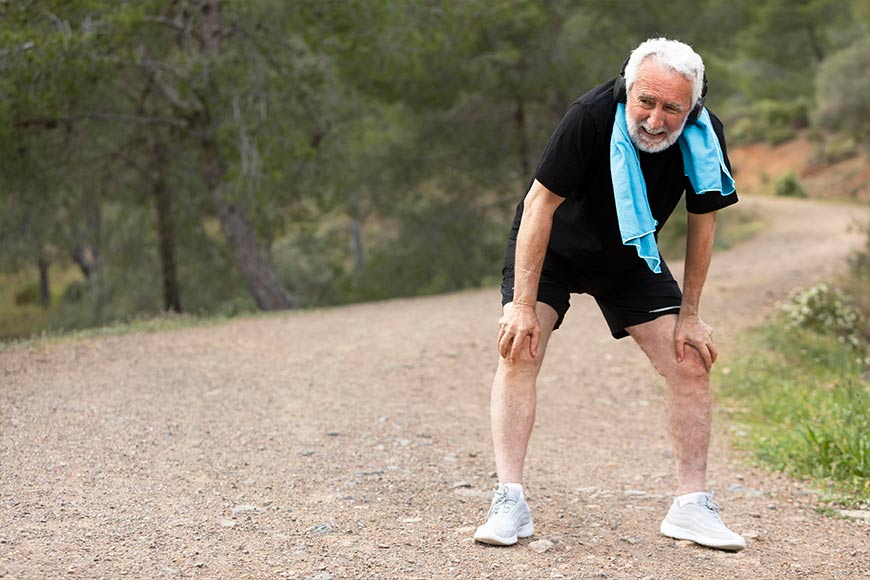
Pain felt deep in the thigh bone (femur) represents a specific clinical symptom that significantly differs from regular muscle fatigue. The femur is the longest, strongest, and heaviest bone in the human body, designed to withstand pressure many times greater than body weight. When pain originates from deep within the leg, it most commonly indicates changes in the periosteum (the outer layer of bone), which is rich in nerve endings, or processes within the bone marrow itself. Unlike surface-level pain, bone pain is often dull, persistent, and difficult to precisely localize with a finger.
The anatomy of the femur includes the head of the bone, which enters the hip joint, the shaft of the bone, and the lower part that forms the knee. The bone is covered by the periosteum, a thin membrane responsible for the nourishment and regeneration of bone tissue, as well as transmitting pain signals. Any disruption to the integrity of the bone, whether due to microtrauma, inflammation, or metabolic disorders, activates these receptors. Understanding the relationship between bone density, circulation in the legs, and mechanical load is crucial for determining the cause of the discomfort. Timely diagnosis and a physiotherapy approach focused on properly remodeling the bone help prevent more severe damage and pathological fractures.
The symptoms of femur pain vary from deep, dull discomfort that occurs during the night to sharp pain that intensifies suddenly when putting weight on the leg. Patients often report a sensation that the pain "radiates from the core of the bone" and that massaging the muscles doesn't provide the expected relief. The clinical picture is distinctive because the pain often doesn't change significantly with limb movements, but it increases under direct vertical load.
The most common symptoms accompanying femur pain include:
These signs are clear indicators that the bone tissue is undergoing changes that require professional evaluation. Timely recognition of these symptoms allows the physical therapist and doctor to carry out the necessary diagnostics and prevent further weakening of the bone structure.
The causes of femur pain can be linked to mechanical overloading, but also to systemic processes within the body. Factors such as long-term repetition of the same movements (e.g., in marathon runners or soldiers), deficiencies in vitamin D and calcium, or vascular disorders directly affect the health of the femur. Although the pain is felt in the thigh, the cause can also be reflexive, where hip problems are projected directly into the bone structure.
The main causes of femur pain include:
Accurately determining the cause of bone pain allows for the creation of an individualized treatment plan that will protect the integrity of the femur and stimulate its healing. Each of the aforementioned causes requires a specific medical and rehabilitation approach.
At Fizikalna terapija Focus, our approach to treating pain in the femur is strictly individualized and focused on accelerated regeneration of bone tissue and elimination of periosteal irritation. We use the most advanced global technologies that stimulate the formation of new bone and soft tissue cells, providing you with a secure foundation and enabling a safe return to movement without the risk of more serious injuries.
The process includes:
Regular implementation of the recommended program and controlled dosing of exertion ensure the achievement of permanent bone stability. This comprehensive treatment at Fizikalna terapija Focus not only eliminates thigh pain but also restores full confidence in walking and enables a safe return to all sports and life challenges.
Why does the femur hurt more at night than during the day?
Nighttime bone pain is often associated with increased intra-bone pressure and the fact that in a resting state, there are no other sensory stimuli to mask the pain. Additionally, certain inflammatory processes become more pronounced when circulation slows down during sleep.
Could femur pain be a sign of vitamin deficiency?
Yes, chronic deficiency of vitamin D and calcium can lead to bone softening (osteomalacia), which causes deep pain in the legs. The bone becomes sensitive to normal muscle pressure, manifesting as constant, dull discomfort.
How long does it take to recover from a stress fracture of the femur?
Recovery from a stress fracture usually takes six to twelve weeks, depending on the location of the fracture and your overall health. During this time, it is crucial to strictly follow weight-bearing instructions to allow the bone to heal properly.
Are massages useful when the bone itself hurts?
Classic muscle massage usually does not help with primary bone pain, and in the case of certain processes in the bone, it may even be contraindicated. For bone pain, physical procedures that penetrate deep into the tissue and act at the cellular level are preferred.
When is thigh pain a sign that an urgent X-ray or MRI scan is necessary?
If the pain occurs suddenly and you are unable to bear weight on your leg, if it is accompanied by a high fever, sudden weight loss, or if the pain does not subside even after several days of rest, it is necessary to undergo an urgent radiological diagnosis.
Cash
Through a current account
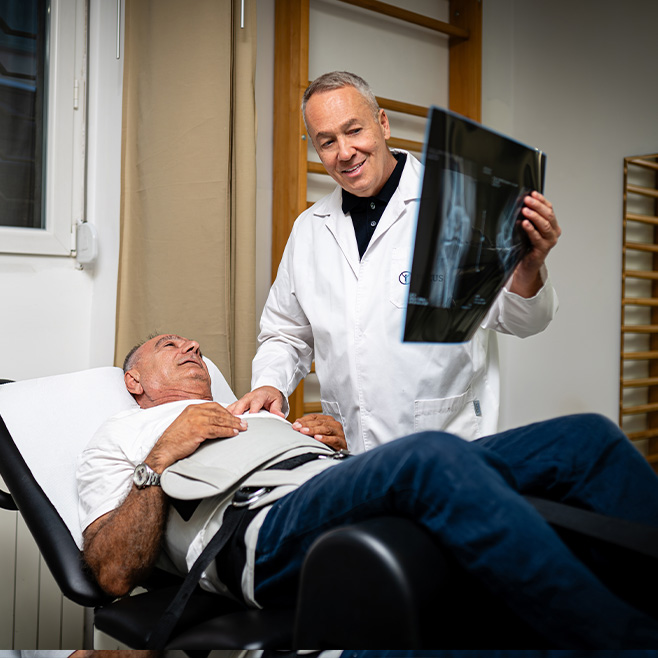
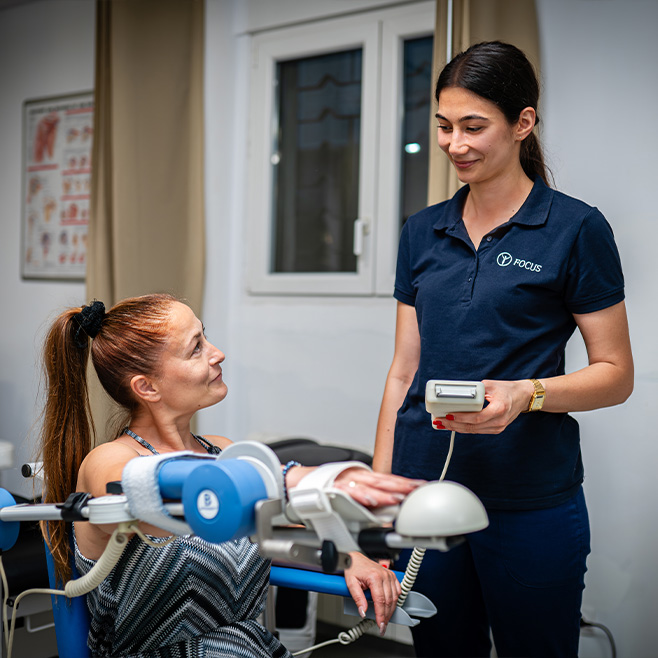
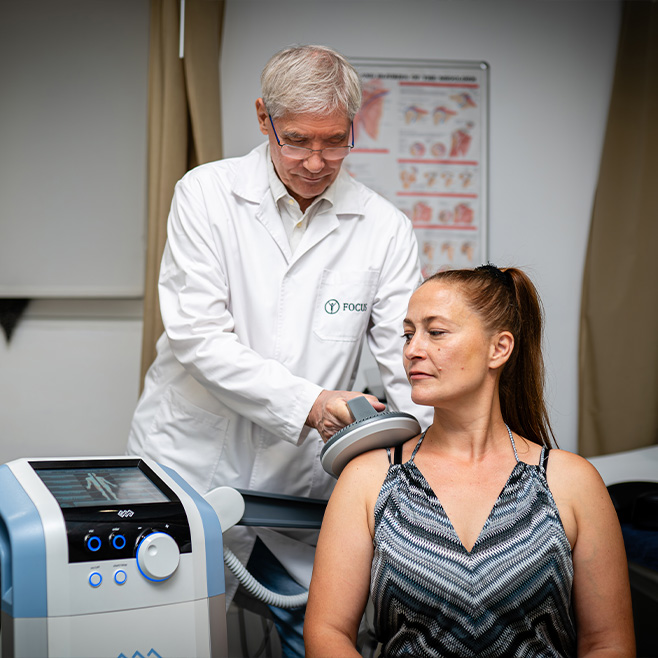
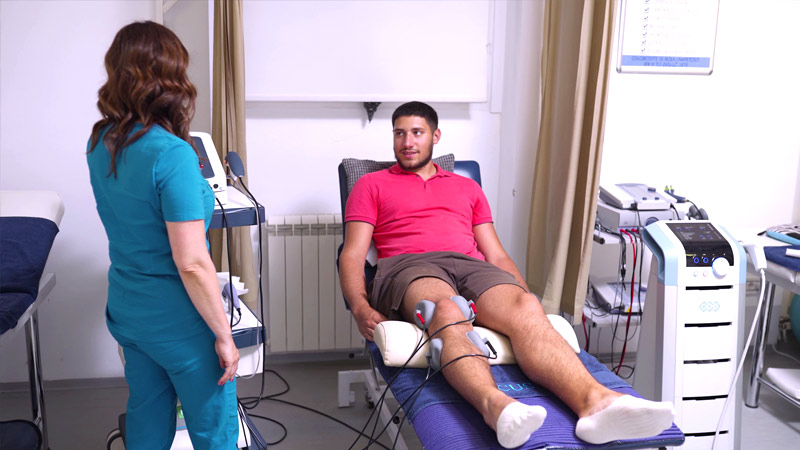

See the experiences of our satisfied patients who successfully recovered with the help of our physical therapy. Get acquainted with the testimonies of patients who faced various joint injuries, sports knee injuries, back injuries and similar problems, which we quickly, efficiently and successfully treated.
Aesthetic surgery
Focus Fizikal is a leading private clinic for physical therapy in Belgrade. For more than 10 years, we have been providing high-quality services that enable quick recovery and healing of our patients.




For all our current and future patients, we have made it possible to schedule an appointment online.



pon-pet:
08:00 - 20:00subota:
08:00 - 15:00


Mon-Fri:
08:00 - 20:00Saturday:
08:00 - 15:00