 +381 64 469 73 73
  Pain in the thighs
  Symptoms
  Causes
  Treatment
  FAQ
FAQ  Prices
  Gallery
  Testimonials
  Special offer
  Why choose us?
Cash
Through a current account
Focus Physical Therapy 100% guarantees fast and effective treatment.
SUPER DISCOUNT! 20% off all therapies in June! Call us 24/7!
Do not treat yourself based on information from the Internet!


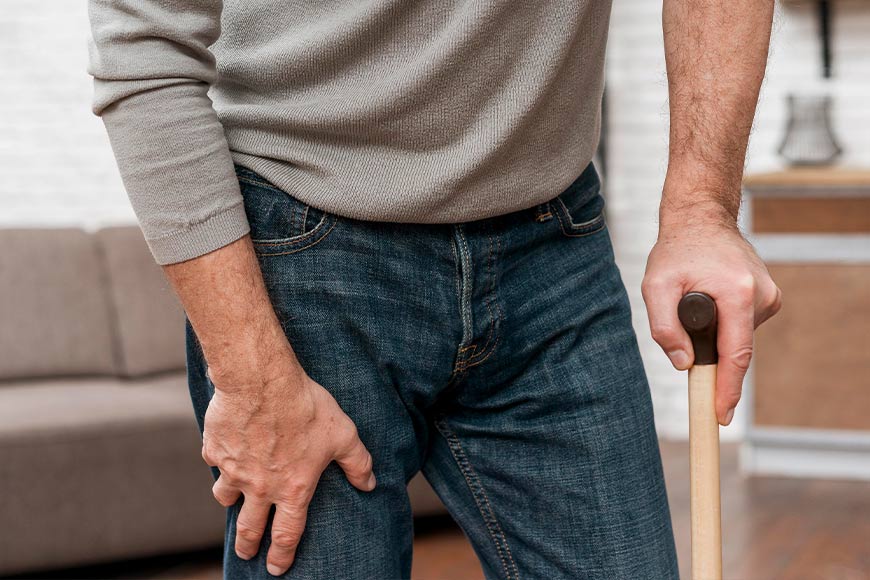
Pain in the thighs, especially in the front part, is a common musculoskeletal complaint because this region is exposed to considerable load during movement. The front of the thigh is primarily formed by the quadriceps, one of the most important muscle groups in the body, which plays a key role in knee extension and stability during walking. Since the thigh muscles span two large joints – the hip and the knee – they are exposed to constant dynamic load, which makes them prone to overuse, strains, and fatigue caused by prolonged standing, sitting, or physical activity.
The anatomy of the front of the thigh includes the four heads of the quadriceps, as well as important nerve and vascular structures that pass through the groin region. In addition to the muscle fibers, the femoral nerve also passes through this area and contributes to sensation and movement in the front of the leg. Pain felt in the thigh is not always purely local in origin, and in some cases it may also be associated with problems in the lower back or in the hip joint itself. Understanding the relationship between hip mobility, muscle load, and the appearance of symptoms is important when assessing the possible cause of the complaint. Early assessment and an appropriate therapeutic approach may help relieve symptoms, preserve function, and support easier walking.
Symptoms of pain in the front of the thighs can range from a feeling of “heaviness” in the legs after physical exertion to sharp, shooting pain that makes a normal stride more difficult. Patients often report that their symptoms worsen when climbing stairs or rising from a deep chair. The clinical presentation is specific because the pain may be clearly localized within the muscle, but it may also spread as a diffuse burning sensation from the groin toward the knee.
The most common symptoms associated with pain in the front of the thighs include:
These symptoms may indicate strain affecting the muscular and neural structures in the thigh region and require professional assessment and an appropriate therapeutic approach. Early recognition of symptoms may help relieve discomfort, preserve function, and reduce the risk of longer-lasting problems.
The causes of pain in the front of the thigh are most commonly associated with mechanical overload of the quadriceps, but they may also be related to vascular or neurological disorders. Factors such as a sudden increase in training intensity, uncomfortable footwear, or prolonged sitting in an improper position may contribute to increased muscle strain. Although the pain is felt in the thigh, the source of the symptoms may sometimes also be related to dysfunction in the lumbar spine or degenerative changes in the hip joint.
The most common causes of pain in the front of the thighs include:
Accurately identifying the possible cause of symptoms is important for planning an individual therapeutic approach. Each of the listed causes requires appropriate assessment and a tailored rehabilitation plan in order to relieve symptoms, improve function, and achieve longer-term relief.
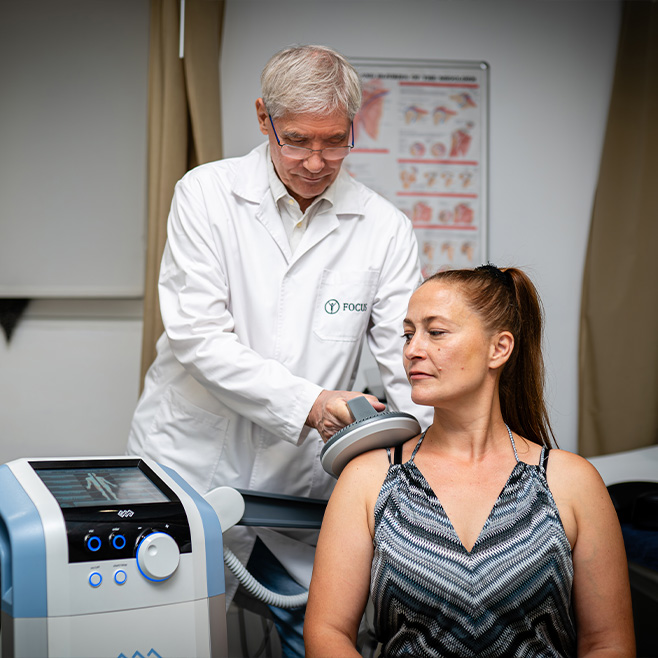
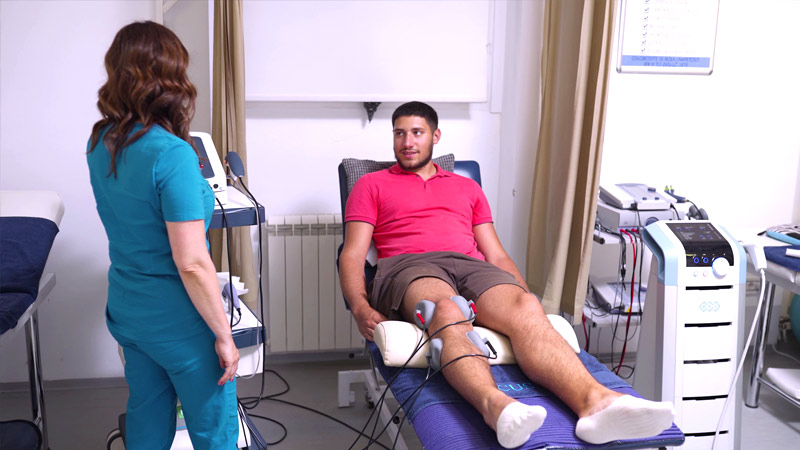
At Focus Physical Therapy Center, our approach to treating thigh pain is individualized and focused on permanently eliminating the root cause, rather than just masking the symptoms. We apply the most advanced technologies that deeply penetrate muscle tissue, eliminating spasms, inflammation, and pain, while restoring full strength and elasticity to your legs.
Our treatment process includes:
Ongoing implementation of the recommended exercise program and ergonomic advice during work is crucial for maintaining the results achieved. This comprehensive treatment at our center not only eliminates thigh pain but also significantly improves your stability and strength, enabling a smooth return to sports activities and daily obligations.
Why does thigh pain occur without an obvious injury?
Thigh pain that arises without a direct impact is most often caused by microtrauma due to overuse or issues in the lumbar spine. When back muscles are weak, the thigh muscles take on excessive strain, leading to chronic tightness and painful trigger points. Additionally, pressure on nerves in the lower back can cause shooting or burning sensations projected directly into the front or back of the thigh.
What are the most effective therapies for eliminating thigh muscle pain?
At the Focus Physical Therapy center, we apply modern methods that deeply relax muscle fibers and accelerate circulation. The best results are achieved with tecar therapy, which instantly reduces tension and eliminates accumulated lactic acid, and high-inductive magnetism that penetrates deep into the tissue to stimulate regeneration. These procedures allow the patient to regain full mobility without the feeling of heaviness in the legs.
Can thigh pain resolve with rest alone?
While rest can bring temporary relief, it rarely solves the root of the problem if it is mechanical in nature. If there is a muscle imbalance or nerve irritation, the pain will return as soon as the person resumes daily activities. Physical therapy is necessary to identify the source of the pain, relax shortened soft tissues, and strengthen the muscles that will permanently offload the legs.
How many treatments are needed for thigh pain to stop?
The recovery timeframe depends on whether it is an acute muscle strain or chronic pain present for a long time. Most patients feel a significant reduction in pain and a lighter step after the first three to four treatments. For complete fiber regeneration and a safe return to sports activities, a cycle of ten working days in continuity is usually recommended.
Is it safe to massage a thigh that is in significant pain?
Massage can be very beneficial, but it is important that a professional performs it, especially if a muscle tear or nerve inflammation is suspected. Aggressive massage at the wrong time can worsen the condition and cause more swelling. At the Focus Physical Therapy center, manual techniques are combined with physical procedures to relax the muscle safely, without the risk of additional irritation.
Cash
Through a current account
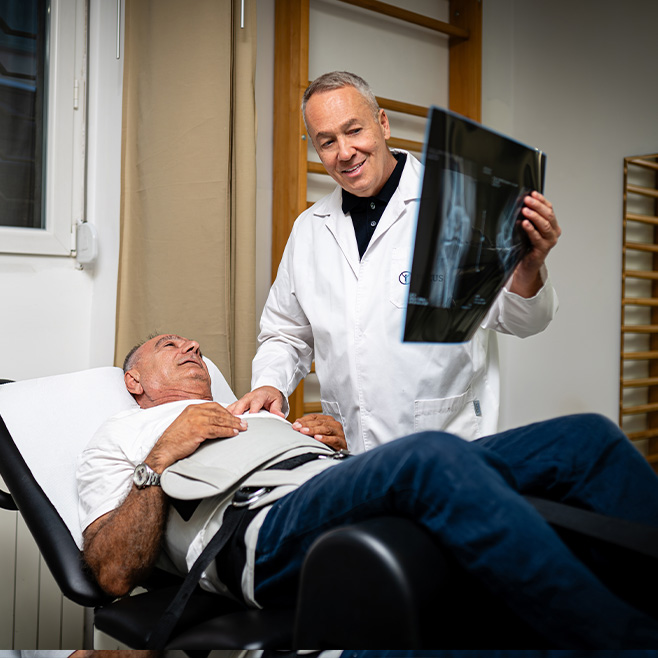
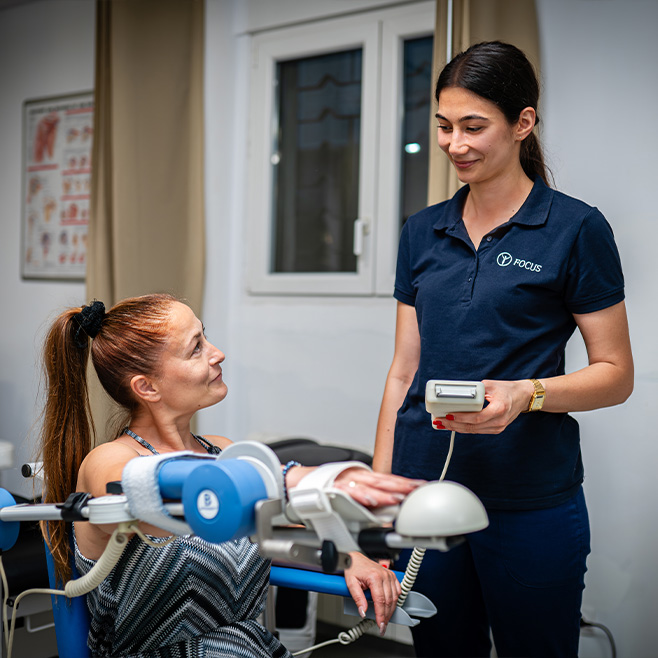

See the experiences of our satisfied patients who successfully recovered with the help of our physical therapy. Get acquainted with the testimonies of patients who faced various joint injuries, sports knee injuries, back injuries and similar problems, which we quickly, efficiently and successfully treated.
Aesthetic surgery
Focus Fizikal is a leading private clinic for physical therapy in Belgrade. For more than 10 years, we have been providing high-quality services that enable quick recovery and healing of our patients.




For all our current and future patients, we have made it possible to schedule an appointment online.



pon-pet:
08:00 - 20:00subota:
08:00 - 15:00


Mon-Fri:
08:00 - 20:00Saturday:
08:00 - 15:00