 +381 64 469 73 73
  Pain in the thoracic spine
  Symptoms
  Causes
  Treatment
  FAQ
FAQ  Prices
  Gallery
  Testimonials
  Special offer
  Why choose us?
Cash
Through a current account

Focus Physical Therapy 100% guarantees fast and effective treatment.
SUPER DISCOUNT! 20% off all therapies in June! Call us 24/7!
Do not treat yourself based on information from the Internet!


Pain in the thoracic spine refers to discomfort in the middle of the back, extending from the lower part of the neck to the level of the waist. This part of the spine is unique due to its connection with the ribs, which provides greater stability but also makes it prone to stiffness due to reduced mobility. The pain most commonly presents as a dull pressure between the shoulder blades or a sharp pain that intensifies with deep breathing or trunk rotation. Timely physical therapy is crucial to release tension in the chest area and prevent overload transfer to the cervical and lumbar regions.
The thoracic spine consists of twelve vertebrae that serve as the primary support for the ribs and protect the internal organs. Due to modern lifestyle and prolonged sitting, this part of the spine often loses its natural elasticity, leading to overuse of the muscles that support the shoulder blades. Understanding the biomechanics of the chest is essential because any blockage in this segment directly affects lung capacity and proper shoulder posture. By maintaining mobility in the thoracic region, we ensure proper body balance and reduce fatigue that arises from performing everyday tasks.
The symptoms of thoracic spine pain vary from a localized spot that is sensitive to touch to sharp, stabbing pain that radiates along the ribs to the front of the chest. Patients often describe a feeling of tightness that prevents them from fully straightening up, as well as occasional numbness between the shoulder blades. The clinical picture may also include pain that occurs with sudden head or arm movements, indicating that the muscular system has entered a state of constant spasm. These signals are a clear message from the body that the mobility of the vertebrae is compromised, and professional intervention is needed for decompression. Recognizing specific symptoms allows us to address the root cause of the problem before it becomes chronic.
Most Common Symptoms Include:
Timely recognition of these signals is crucial to prevent the development of permanent hunching and degenerative changes in the vertebrae. Proper interpretation of symptoms leads to a faster return to functionality and eliminates the constant burden on the back.
The causes of thoracic spine pain most often lie in prolonged sitting in improper positions, where the head and shoulders fall forward, creating enormous pressure on the middle of the back. Modern lifestyle leads to weakening of the scapular stabilizer muscles, forcing the spinal vertebrae to bear unnatural loads. Although herniated discs are rarer in this part of the spine, inflammation of the small facet joints and muscle imbalances are the leading factors that cause thoracic syndrome. Identifying the factors that lead to muscle fatigue allows us to eliminate the root of the problem and prevent its recurrence. A detailed analysis of workplace ergonomics helps in creating a plan that will permanently relieve the thoracic region from pressure.
Main Causes Include:
Understanding these causes enables us to approach treatment not just by providing immediate relief but by permanently correcting posture. By focusing on eliminating primary stress factors, we ensure that the thoracic spine has the necessary space for complete regeneration.
At Focus Physical Therapy, our approach to treating upper and middle back pain is strictly individualized and focused on permanently eliminating the underlying causes – from functional vertebral and rib blockages to chronic muscle tension caused by prolonged sitting. We use the most advanced global technologies that immediately release pressure and restore the natural mobility, strength, and upright posture of your spine.
The process includes:
The comprehensive application of these advanced methods guarantees maximum therapy effectiveness, even for patients with chronic deformities and stiffness. With education on workplace ergonomics and proper posture, Focus Physical Therapy enables you to regain energy and perform your daily tasks without the burden of back pain and tension.
What causes pain in the thoracic spine?
Pain in the thoracic spine can be caused by various factors, including poor posture, injuries (e.g., falls or accidents), degenerative changes in the spine such as spondylosis, or muscle and ligament problems. Stress, prolonged sitting, or improper sleeping positions can also aggravate pain in this area of the spine.
What are the symptoms of thoracic spine pain?
Symptoms of thoracic spine pain include pain in the middle of the back, often accompanied by stiffness or discomfort during movement. The pain can be sharp, dull, or stabbing, and may sometimes feel like tightness. Occasionally, the pain can radiate to the chest or abdomen, which can be confusing for patients.
How does physical therapy help with thoracic spine pain?
Physical therapy is crucial for treating thoracic spine pain. Therapies include specific exercises for stretching and strengthening the back muscles, posture correction, manual therapy to improve spine mobility, and the use of heat or cold therapy to alleviate pain and inflammation. Additionally, electrostimulation and ultrasound can aid in reducing pain and improving circulation.
When should I seek help from a physiotherapist for thoracic spine pain?
If the pain in the thoracic spine lasts for an extended period (more than a few days), worsens with certain movements, or is accompanied by other symptoms such as numbness, weakness, or breathing difficulties, it is best to consult a physiotherapist. A physiotherapist can diagnose the issue and recommend an appropriate treatment plan.
How many physical therapy sessions are needed to treat thoracic spine pain?
The number of physical therapy sessions depends on the severity of the problem and how the body responds to treatment. In most cases, patients require 4-8 physical therapy sessions, along with recommended exercises to be performed at home. Treatment may take longer if the pain does not resolve quickly, but with proper therapy, most patients experience improvement within a few weeks.
Cash
Through a current account
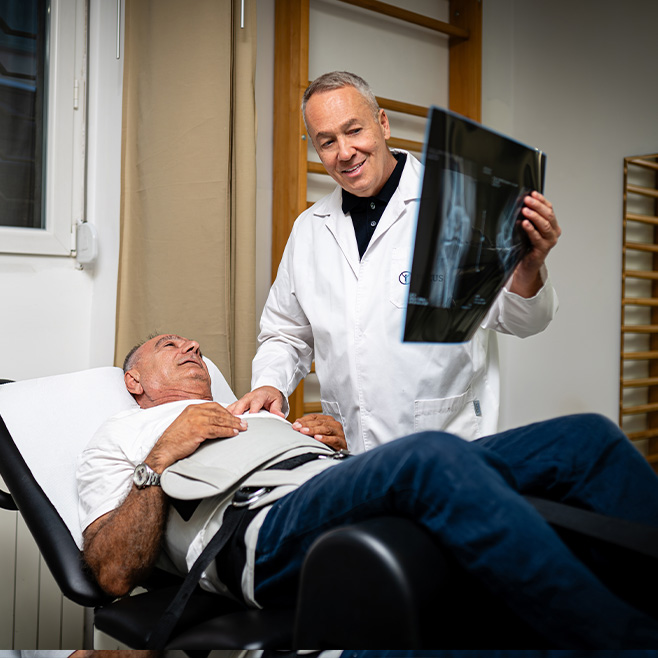
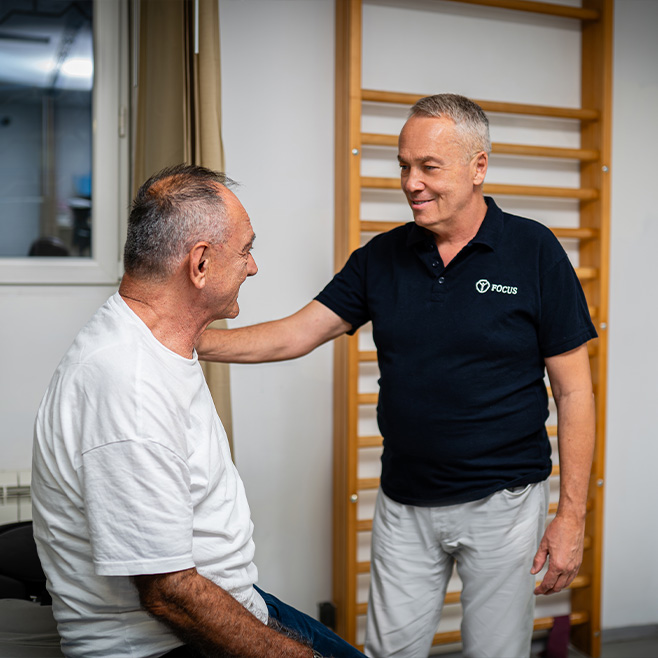
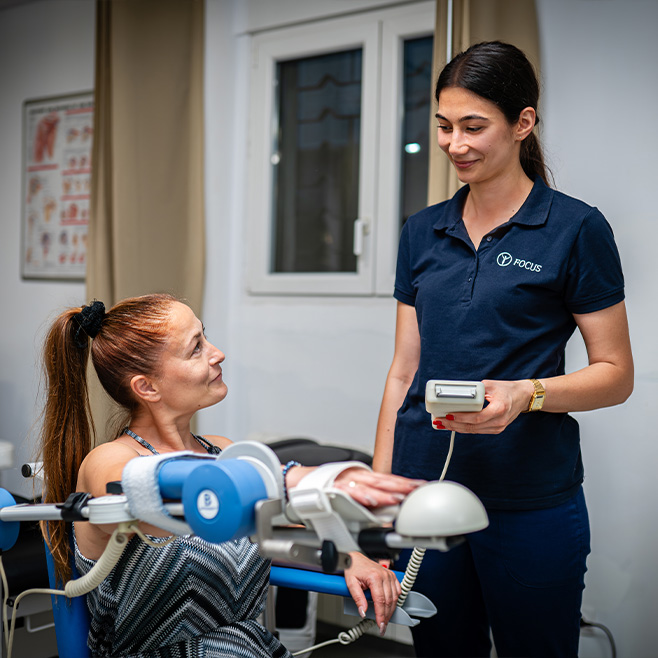
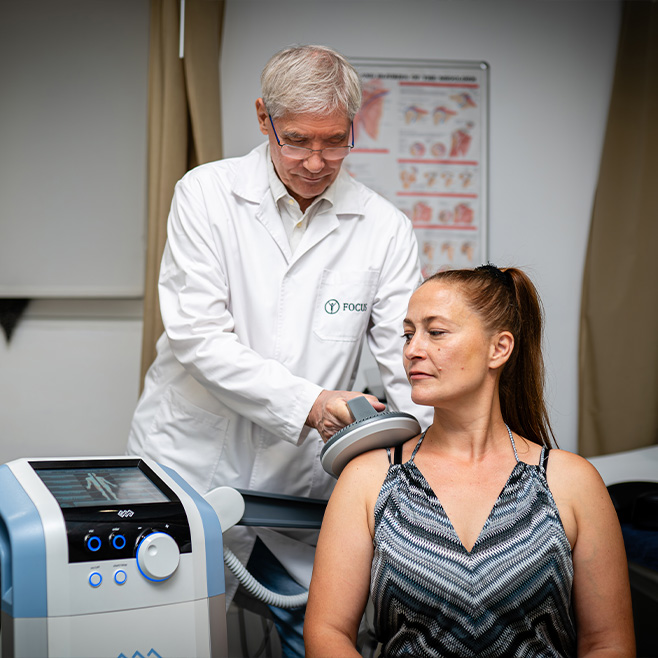
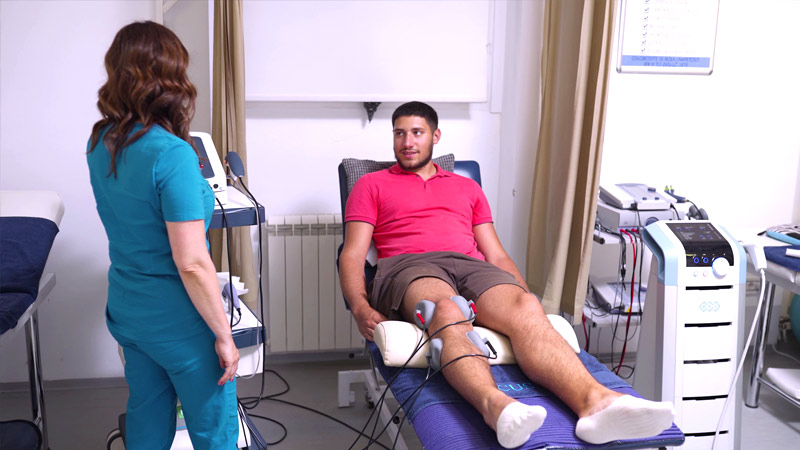

See the experiences of our satisfied patients who successfully recovered with the help of our physical therapy. Get acquainted with the testimonies of patients who faced various joint injuries, sports knee injuries, back injuries and similar problems, which we quickly, efficiently and successfully treated.
Aesthetic surgery
Focus Fizikal is a leading private clinic for physical therapy in Belgrade. For more than 10 years, we have been providing high-quality services that enable quick recovery and healing of our patients.




For all our current and future patients, we have made it possible to schedule an appointment online.



pon-pet:
08:00 - 20:00subota:
08:00 - 15:00


Mon-Fri:
08:00 - 20:00Saturday:
08:00 - 15:00