 +381 64 469 73 73
  Pain on the side of the heel
  Symptoms
  Causes
  Treatment
  FAQ
FAQ  Prices
  Gallery
  Testimonials
  Special offer
  Why choose us?
Cash
Through a current account

Focus Physical Therapy 100% guarantees fast and effective treatment.
SUPER DISCOUNT! 20% off all therapies in June! Call us 24/7!
Do not treat yourself based on information from the Internet!


Pain on the Side of the Heel represents a specific discomfort that can be located on the outer or inner edge of the heel bone, and is most commonly associated with tendon attachment inflammation or nerve compression. Given that the foot bears the entire weight of the body with every step, the lateral parts of the heel are subjected to constant friction and pressure, particularly when wearing inadequate footwear. The pain may manifest as sharp stabbing or dull inflammation that radiates toward the joint, making normal walking and weight-bearing difficult. This region is biomechanically complex, which is why any asymmetry in gait directly burdens the lateral structures of the heel. Timely physical therapy is essential to prevent the development of chronic calcifications and permanent deformities of the heel bone.
Anatomy of the Lateral Heel Area includes the attachment of strong ligaments, tendons of the peroneal muscles on the outer side, and nerve channels on the inner side. The key element in stability is the calcaneus (heel bone), which serves as a lever for movement, but is also the site where degenerative changes often occur due to overloading. Understanding the foot's position is crucial, as pain on the side of the heel often originates from fallen arches, forcing the heel to twist inward or outward. Proper functioning of the soft tissues around the heel bone ensures pain-free contact with the ground and protects the leg joints from microtrauma. Maintaining the elasticity of these structures lays the foundation for stable movement and the long-term health of the entire skeletal system.
Symptoms of Heel Pain on the Side vary from sensitivity to touch on the edge of the bone to intense pain that occurs immediately upon getting out of bed. Patients often describe a burning sensation or "radiating" pain along the lateral edge of the foot, along with visible redness or a hard bump where the footwear exerts pressure. The clinical picture is specific because the pain often intensifies with prolonged walking or standing, while rest provides only temporary relief. These signals are a clear indication that the tissues can no longer withstand mechanical pressure, and the process of inflammation has begun. Recognizing the specific symptoms allows us to act precisely on the source of pain before painful calcifications develop.
Common Symptoms Include:
Timely recognition of these signals is crucial for preventing the development of chronic bursitis or damage to peripheral nerves. Proper interpretation of the symptoms leads to faster recovery of functionality and eliminates the need for prolonged rest.
Causes of Side Heel Pain are most commonly linked to poor foot biomechanics, such as excessive pronation or supination, which create uneven loading on the foot. Modern lifestyle, which often involves walking on hard surfaces in footwear that lacks proper support, leads to irritation of the periosteum (bone lining) and tendon sheaths. While the pain is manifested locally, the root cause is often in shortened calf muscles that pull the heel bone into an abnormal position. Identifying the factors that lead to lateral overloading allows us to eliminate the root cause and prevent its recurrence. A detailed analysis of the body’s overall static alignment helps create a plan that will permanently relieve the foot from pressure.
Main Causes Include:
Understanding these causes allows us to focus the treatment not only on providing immediate relief but also on permanently correcting the static alignment. By addressing the primary stress factors, we ensure the heel has the necessary space for complete regeneration.
Treatment of Lateral Heel Pain at Focus Physical Therapy Center is aimed at eliminating inflammation, breaking down bony deposits, and correcting foot alignment. The therapy protocol combines advanced procedures that penetrate deep into bone and joint structures with targeted exercises to strengthen the foot arch.
The modern rehabilitation approach includes the following phases:
Additional benefits of this comprehensive approach:
The combination of advanced therapeutic procedures and targeted exercises enables patients to return to activities with a light step, free of pain, and with permanently stabilized foot function. Our personalized approach ensures maximum therapy effectiveness, even in cases of long-term, chronic heel pain.
What causes pain on the side of the heel?
Pain on the side of the heel can be caused by various conditions, such as plantar fasciitis (inflammation of the plantar fascia), Achilles tendon injuries, bursitis, or even overloading the foot due to improper walking, bad shoes, or prolonged standing. Foot deformities, like Hallux valgus (bunions), can also cause pain on the side of the heel.
What are the symptoms of pain on the side of the heel?
Symptoms of pain on the side of the heel may include pain on the outer side of the heel, especially when walking, running, or standing. The pain can be sharp, stabbing, or dull, and may worsen after prolonged standing or activity. Swelling or redness around the heel area may also occur.
How is pain on the side of the heel diagnosed?
The diagnosis of pain on the side of the heel typically starts with a physical examination and assessment of symptoms. The doctor may palpate to check for pain and swelling, as well as analyze walking and posture habits. If necessary, imaging such as X-rays or MRIs may be used to rule out other injuries, such as fractures or tendon inflammation.
How is pain on the side of the heel treated?
Treatment for pain on the side of the heel depends on the underlying cause. Initially, methods such as rest, cold compresses (if swelling is present), and pain medications like ibuprofen are often used. Physical therapy and specific exercises to stretch tendons and muscles can help reduce pain. In more severe cases, orthopedic insoles or even surgical intervention may be necessary.
How can heel pain on the side be prevented?
Preventing pain on the side of the heel involves wearing proper footwear that provides good support and cushioning, avoiding prolonged standing, and overloading the feet. Regular stretching of the Achilles tendon and calf muscles, as well as strengthening exercises for the feet, can reduce the risk of heel pain.
Cash
Through a current account
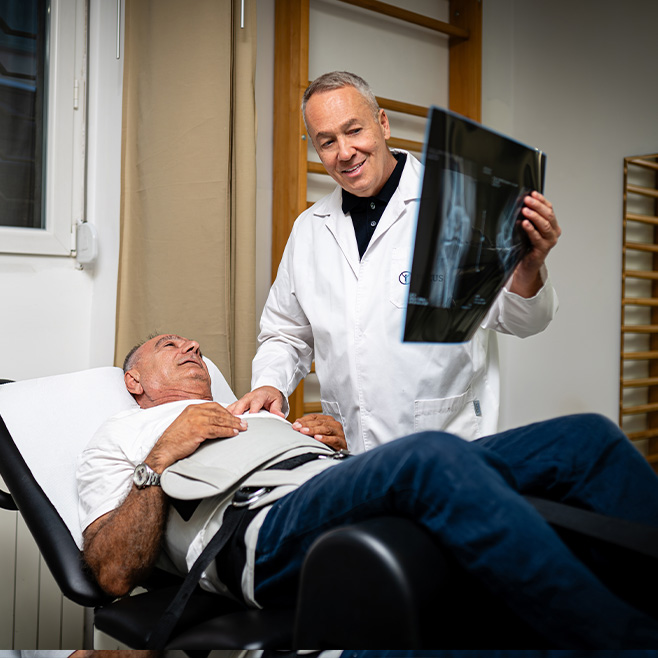
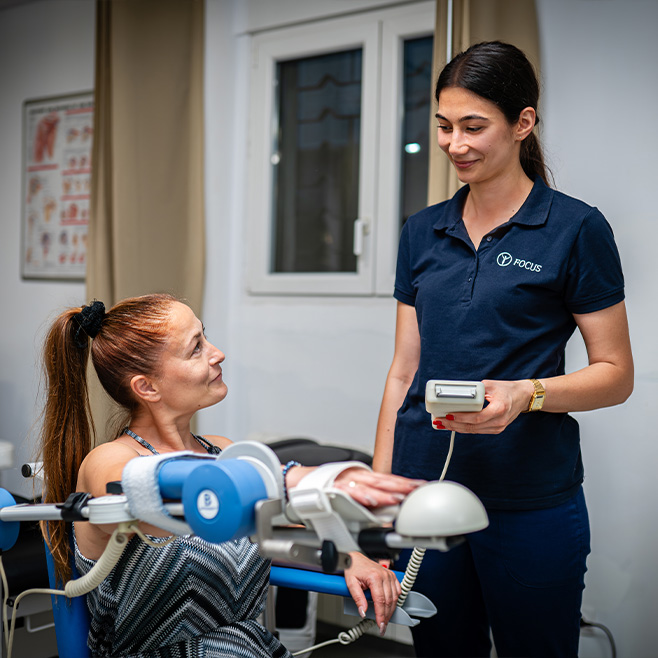
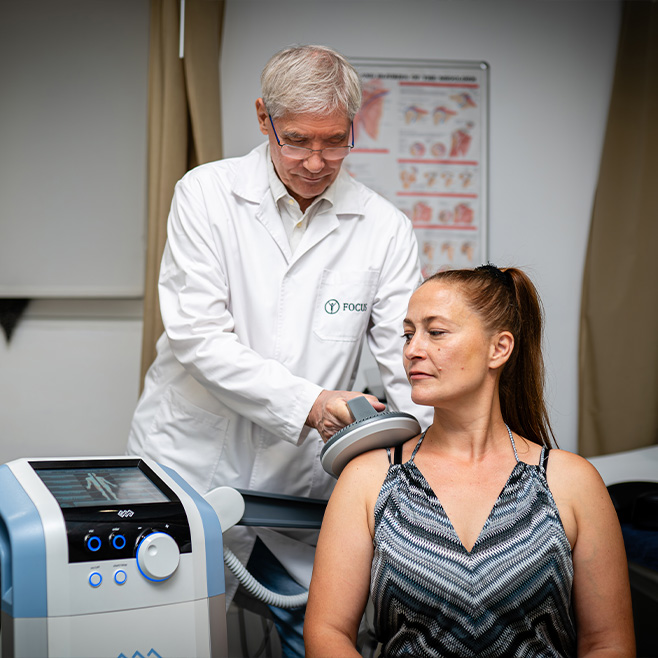
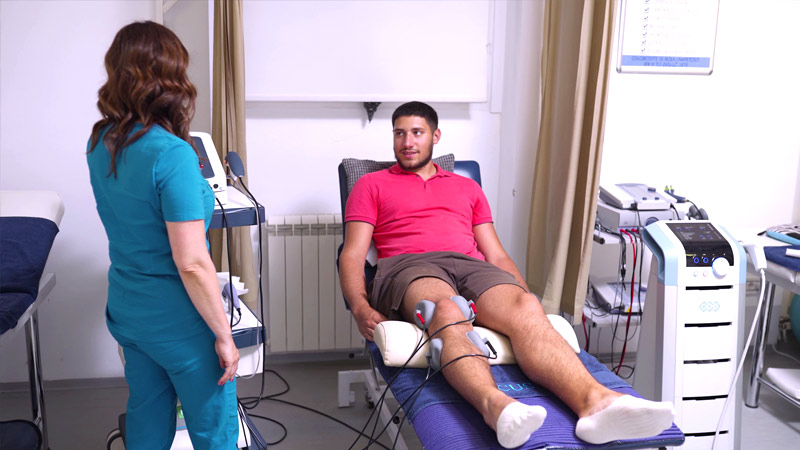

See the experiences of our satisfied patients who successfully recovered with the help of our physical therapy. Get acquainted with the testimonies of patients who faced various joint injuries, sports knee injuries, back injuries and similar problems, which we quickly, efficiently and successfully treated.
Aesthetic surgery
Focus Fizikal is a leading private clinic for physical therapy in Belgrade. For more than 10 years, we have been providing high-quality services that enable quick recovery and healing of our patients.




For all our current and future patients, we have made it possible to schedule an appointment online.



pon-pet:
08:00 - 20:00subota:
08:00 - 15:00


Mon-Fri:
08:00 - 20:00Saturday:
08:00 - 15:00