 +381 64 469 73 73
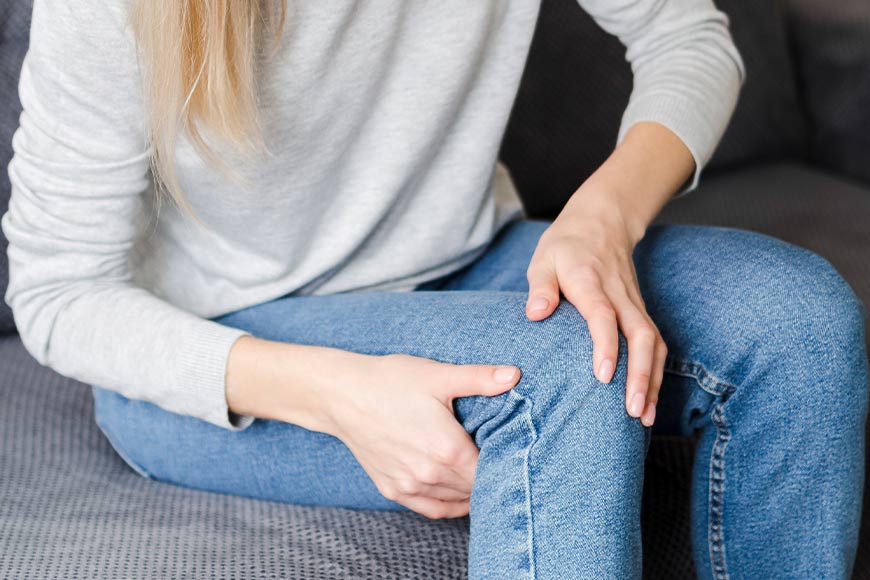
  Pain on the side of the knee
  Symptoms
  Causes
  Treatment
  FAQ
FAQ  Prices
  Gallery
  Testimonials
  Special offer
  Why choose us?
Cash
Through a current account
Focus Physical Therapy 100% guarantees fast and effective treatment.
SUPER DISCOUNT! 20% off all therapies in June! Call us 24/7!
Do not treat yourself based on information from the Internet!


Pain occurring on the side of the knee is one of the most common reasons for visiting a physiotherapist, as it directly indicates a problem with the joint stabilizers. The knee is designed to endure enormous vertical loads but is extremely sensitive to lateral forces and rotations. When pain appears on the outer or inner side, it is a clear sign that the collateral ligaments, menisci, or tendons passing by the joint are overloaded or damaged due to improper movement or trauma.
The anatomy of the lateral sides of the knee includes the medial (inner) and lateral (outer) collateral ligaments, which prevent excessive sideways movement of the lower leg relative to the femur. In addition to these, there are the attachments of the menisci, as well as the tendons of muscles coming from the hip and thigh. Any asymmetry in leg muscle strength or improper foot positioning leads to one side of the knee bearing more pressure, which, over time, causes inflammation of the soft tissues. Understanding the link between hip biomechanics and knee stability is crucial for determining the cause of the discomfort. Timely physiotherapeutic diagnostics and load correction prevent the onset of permanent degenerative changes to the cartilage.
Symptoms of pain on the side of the knee vary from a feeling of tightness during walking to sharp stabbing sensations that occur when trying to change direction or go down stairs. Patients often report that the pain intensifies during prolonged standing or sports activities, while rest brings only temporary relief. The clinical picture is specific because a localized swelling often appears at the painful site, which can limit the full range of motion in the knee.
The most common symptoms accompanying pain on the side of the knee include:
Localized pain on the inner or outer joint line that is very sensitive to direct hand pressure.
A sense of instability or the knee "giving way," especially when walking on uneven terrain.
Popping or a sensation of a tendon snapping over a bony protrusion on the side of the knee during leg flexion.
Swelling that occurs several hours after physical exertion, creating a sense of tension within the joint.
Pain radiating from the side of the knee downward along the lower leg or upward toward the outer side of the thigh.
These signs are clear indicators that the lateral structures of the knee are suffering from overload that requires professional evaluation. Recognizing these symptoms in time allows the physiotherapist to apply targeted mobilization techniques and prevent the further spread of inflammation to other parts of the joint.
The causes of pain on the side of the knee are most commonly associated with sports injuries or chronic overuse syndromes due to poor body mechanics. Factors such as hip muscle weakness, inadequate footwear, running on hard surfaces, or sudden leg rotations directly contribute to damage of the ligaments and menisci. Although the pain is felt on the side of the knee, the cause is often hidden in the improper transfer of weight from the foot to the pelvis.
The primary causes of pain on the side of the knee are:
Iliotibial Band Syndrome (ITBS), which causes pain on the outer side of the knee due to friction of the tight band against the femur.
Medial Collateral Ligament (MCL) injury, most often resulting from a blow to the outer side or a sudden twisting of the knee.
Meniscus lesion, where damage to the inner or outer cartilaginous ring causes pain during rotation and squatting.
Pes anserinus tendinitis (inflammation of the "goose's foot" tendons), causing pain on the inner side of the knee, just below the joint.
Arthrosis (gonarthrosis) occurs when the wear and tear of cartilage on one side of the joint leads to bone-on-bone contact and chronic pain.
Precisely identifying the cause of irritation allows for the creation of an individual treatment plan that will permanently release the pressure from the side of the knee and correct the statics. Each of the mentioned causes requires a specific rehabilitation approach to achieve long-term relief for the joint.
Treatment of pain on the side of the knee at the Focus Physical Therapy Center is based on decompression methods and regenerative physical procedures that accelerate tissue healing and reduce inflammation. The therapeutic protocol combines the use of modern technologies for pain and swelling reduction with manual techniques that restore ligament elasticity and improve soft tissue function around the joint. Successful rehabilitation involves eliminating pain, restoring knee stability, and strengthening the muscles that maintain proper joint alignment.
A modern rehabilitation approach includes the following phases:
Continuous adherence to the recommended exercise program is essential for maintaining results and preventing recurrence of pain. This comprehensive approach restores confidence in movement and allows a return to daily and sports activities without limitations.
What causes pain on the outer side of the knee (Iliotibial Band Syndrome)?
Also known as "Runner's knee," ITBS occurs due to the friction of the iliotibial band against the femur. The pain is sharp, occurs during activity (running, cycling), and often radiates just above or below the joint line on the lateral side.
Why does pain occur on the inner side of the knee?
Inner knee pain is most often related to a medial collateral ligament (MCL) injury or "Goose's foot" (pes anserinus) tendon irritation. In older adults, pain here is often an early sign of medial compartment osteoarthritis.
Which physical procedures fastest reduce pain and inflammation on the side of the knee?
We achieve the best results with a high-power HILT laser, which penetrates deep into ligaments to soothe inflammation, and TECAR therapy, which accelerates tendon regeneration. For chronic attachment pain, Shockwave therapy is essential for recovery.
Can side knee pain be related to the feet?
Yes. Flat feet (pronation) cause the knee to rotate inward, pressuring the medial side. Conversely, high arches (supination) overload the lateral side. Custom orthotics are often key to a permanent solution.
How important is kinesitherapy for side knee stability?
Exercises are crucial. While physical therapy calms inflammation, kinesitherapy strengthens the hip abductors (gluteus medius) and thigh muscles. Strong muscles act as "active stabilizers" that protect ligaments from overstretching.
Cash
Through a current account
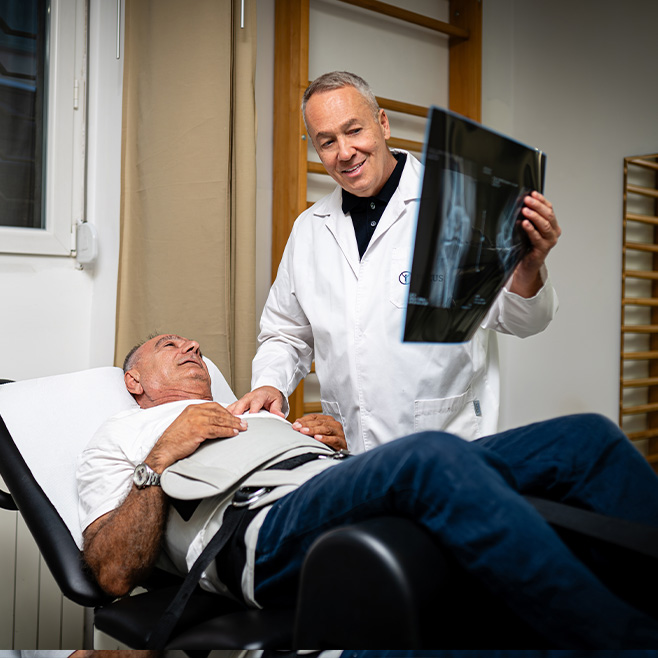
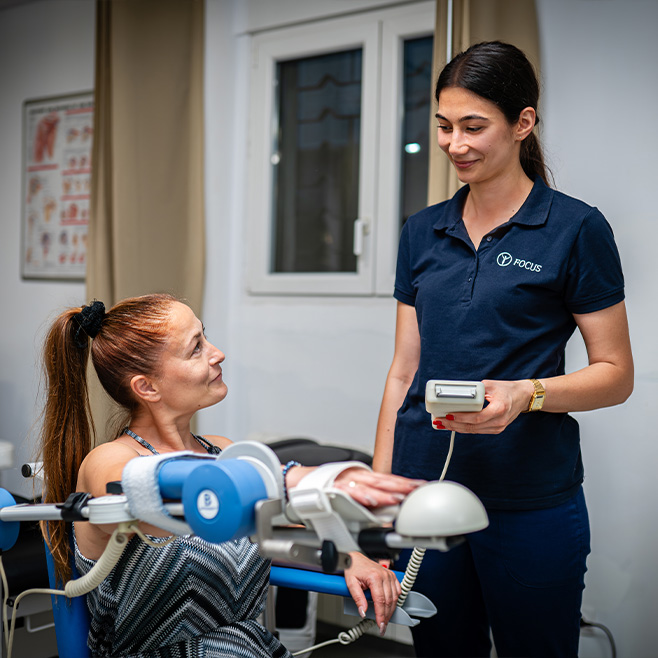
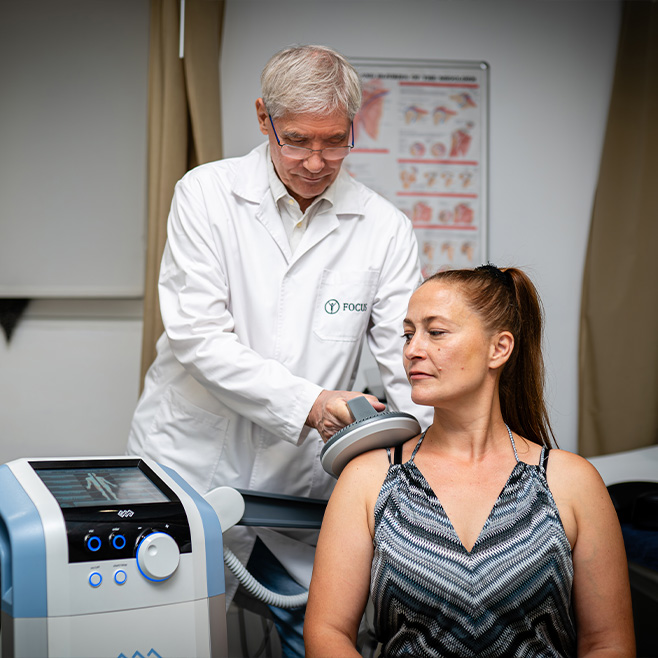
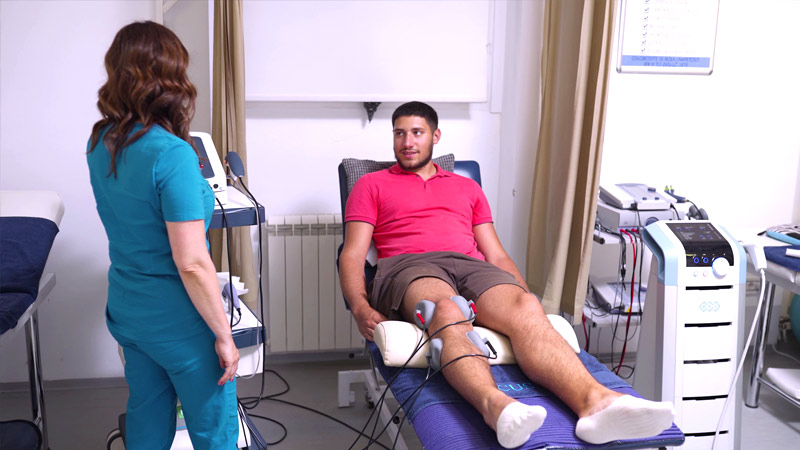

See the experiences of our satisfied patients who successfully recovered with the help of our physical therapy. Get acquainted with the testimonies of patients who faced various joint injuries, sports knee injuries, back injuries and similar problems, which we quickly, efficiently and successfully treated.
Aesthetic surgery
Focus Fizikal is a leading private clinic for physical therapy in Belgrade. For more than 10 years, we have been providing high-quality services that enable quick recovery and healing of our patients.




For all our current and future patients, we have made it possible to schedule an appointment online.



pon-pet:
08:00 - 20:00subota:
08:00 - 15:00


Mon-Fri:
08:00 - 20:00Saturday:
08:00 - 15:00